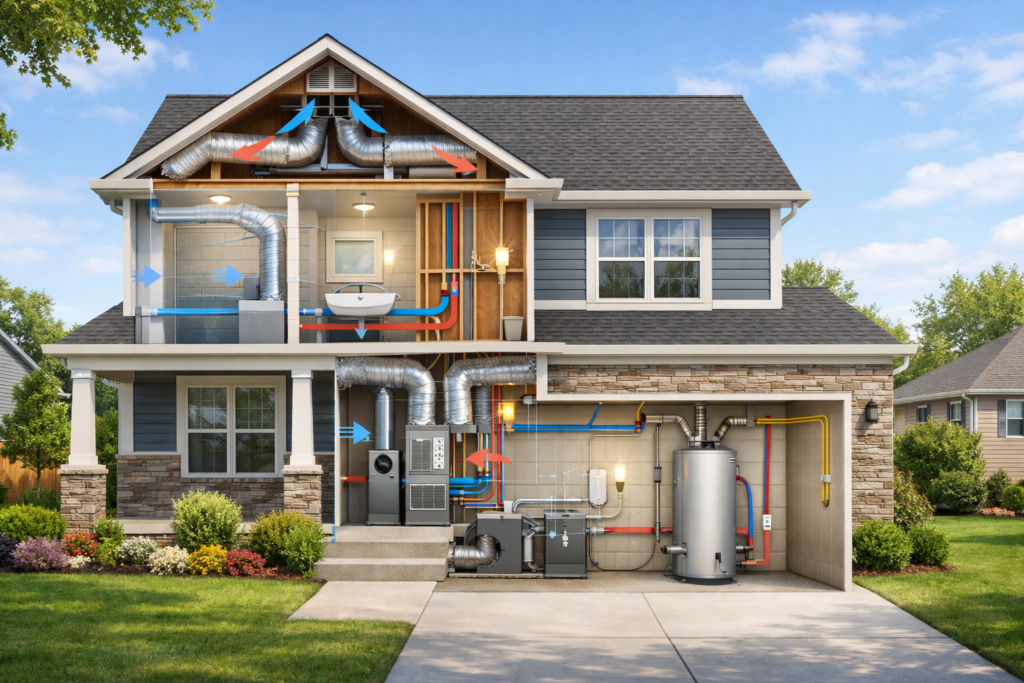
Understanding Your Home’s Major Systems: A Practical Guide for Homeowners
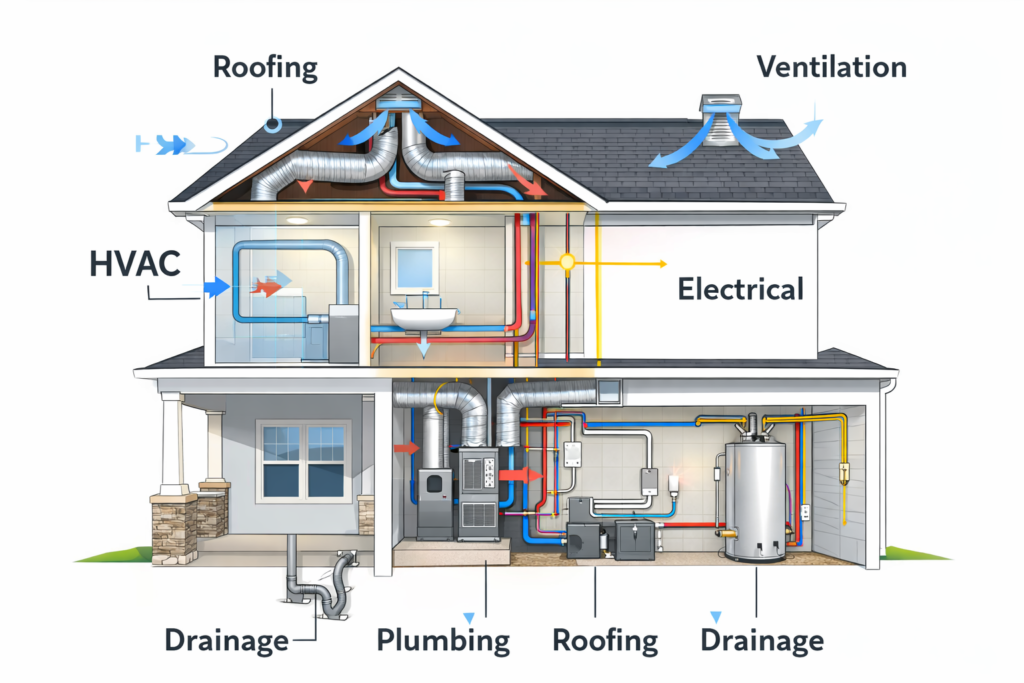
Your home depends on several major systems working together behind the scenes. Heating and cooling, plumbing, electrical, roofing, drainage, and ventilation systems all play a role in keeping the house comfortable, safe, and functioning properly.
Most homeowners don’t need to become experts in these systems. But understanding the basics of how they work—and what warning signs to watch for—can help you prevent costly problems and make better decisions when repairs or replacements are needed.
A small issue in one system can often affect others. A plumbing leak can lead to structural damage, poor attic ventilation can shorten the life of a roof, and electrical problems can create serious safety risks. Learning how these systems fit together gives you a clearer picture of how your home really operates.
In this guide, we’ll walk through the major systems found in most homes, explain what each one does, and highlight the common warning signs homeowners should pay attention to.
Home, Done Right – Perspective
Most homeowners don’t need technical expertise in every system of their home.
What matters is understanding what each system does, recognizing early warning signs of problems, and knowing when to call a professional.
A little awareness goes a long way toward preventing expensive repairs and helping you make better decisions about maintaining your home.
What Counts as a “Home System”?
When people think about their homes, they often focus on visible things like flooring, paint, cabinets, or appliances. But the most important parts of a house are the systems working behind the walls, under the floors, and above the ceilings.
A home system is a group of components that work together to perform a critical function in the house. These systems control things like heating, cooling, water delivery, electricity, air movement, and moisture management.
Unlike finishes or décor, these systems are essential to how a home actually operates. When one system stops working properly, it can affect comfort, safety, energy costs, and even the long-term condition of the house.
For example:
- A plumbing leak can lead to water damage and mold.
- Poor attic ventilation can shorten the life of a roof.
- Electrical problems can create serious safety hazards.
- Drainage issues around the foundation can affect the structure of the home.
Understanding the major systems in your house helps you recognize potential problems earlier and make better decisions about maintenance and repairs.
Major Systems Found in Most Homes
Most houses rely on several core systems that support everyday living:
- heating and cooling (HVAC)
- plumbing and water supply
- electrical wiring and distribution
- roofing and weather protection
- foundation and drainage
- insulation and ventilation
- water heating systems
Each of these systems plays an important role in how the home functions.
The Difference Between Structure, Systems, and Appliances
To understand how a home works, it helps to separate three different categories: structure, systems, and appliances.
Structure refers to the physical framework of the house. This includes the foundation, framing, walls, floors, and roof that hold everything together.
Home systems are the networks that allow the house to function. These include things like plumbing lines, electrical wiring, HVAC equipment, and ventilation.
Appliances are individual devices that use those systems. Dishwashers, refrigerators, washing machines, and ovens rely on electricity, water, or gas supplied by the home’s systems.
For example:
- The electrical system delivers power throughout the house.
- A refrigerator uses that electricity to operate.
If the refrigerator stops working, the appliance may be the issue. But if outlets lose power across multiple rooms, the problem may be within the electrical system itself.
Why Understanding Home Systems Matters
Even if you never plan to repair these systems yourself, understanding how they work together helps you become a more informed homeowner.
Basic system awareness helps you:
- • notice warning signs earlier
- • communicate more clearly with contractors
- • avoid small problems turning into expensive repairs
- • understand maintenance recommendations
- • make better repair-or-replace decisions
Many costly home repairs happen because problems develop slowly and go unnoticed. A homeowner who understands the basic systems in their home is much more likely to spot issues before they become major damage.
If you’re not sure where to start with maintaining these systems, a good first step is reviewing a structured maintenance routine like our Essential Home Maintenance Checklist.
HVAC System (Heating and Cooling)
The HVAC system is responsible for heating, cooling, and circulating air throughout your home. It plays a major role in indoor comfort and energy efficiency, helping maintain consistent temperatures during both hot and cold seasons.
Most homes rely on a combination of heating equipment, cooling equipment, ductwork, and controls that work together to regulate the indoor climate. Because HVAC systems operate frequently and involve several mechanical components, they are one of the most important systems to maintain properly.
What It Does
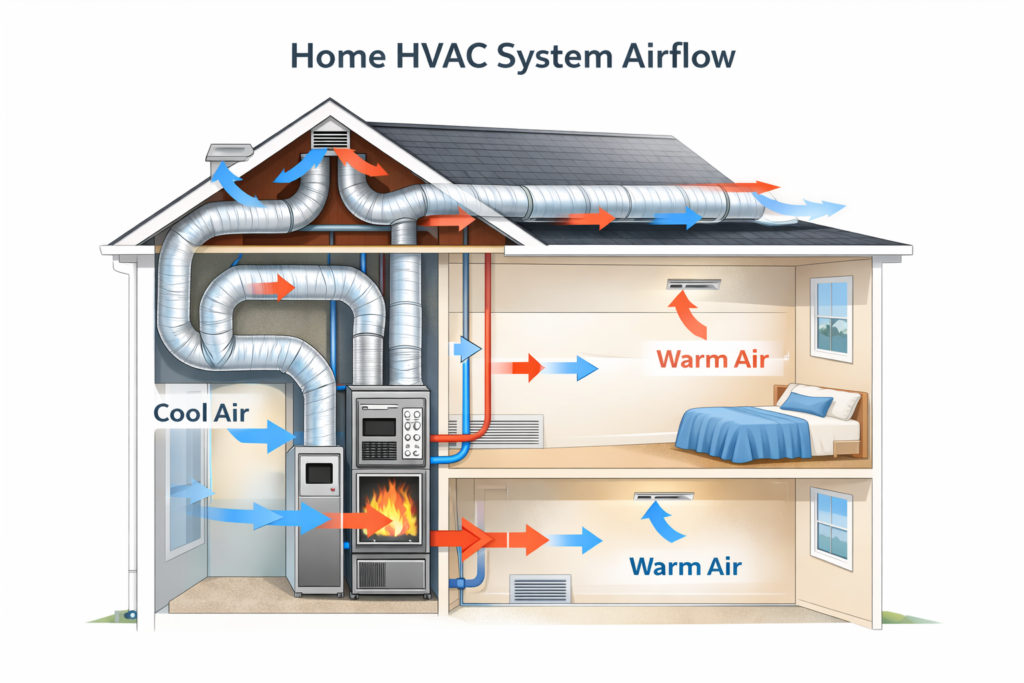
The HVAC system regulates your home’s indoor temperature by heating the house in colder months and cooling it during warmer weather. It also moves air through the home using ducts and vents, which helps distribute conditioned air evenly from room to room.
Some HVAC systems also help control humidity and filter airborne particles, which can improve indoor air quality and overall comfort.
Main Components
A typical residential HVAC system may include several key components working together.
Common components include:
- furnace, heat pump, or boiler for heating
- air conditioner or cooling unit
- ductwork that distributes air through the home
- thermostat that controls temperature settings
- air filters that capture dust and debris
- vents and registers where air enters rooms
Depending on the home, some systems may combine heating and cooling functions in a single heat pump, while others use separate equipment.
Warning Signs of Problems
HVAC systems often show early signs when something isn’t working correctly. Paying attention to these signals can help prevent larger repairs later.
Common warning signs include:
- uneven temperatures between rooms
- weak airflow coming from vents
- unusual noises when the system starts or stops
- rising energy bills without a clear reason
- the system turning on and off frequently
- strange smells coming from vents
If these issues continue, it may indicate the system needs maintenance or professional inspection.
Basic Homeowner Awareness
Most HVAC repairs should be handled by a qualified technician, but homeowners can still play an important role in keeping the system running smoothly.
Simple habits like replacing air filters regularly, keeping vents unobstructed, and scheduling periodic professional maintenance can help improve efficiency and extend the life of the equipment.
Maintaining the HVAC system is an important part of routine home care. Regular filter changes and seasonal inspections can help keep the system running efficiently and extend the life of the equipment.
One of the simplest HVAC maintenance tasks is replacing your air filter on a regular schedule. Read How Often Should You Change Your HVAC Filter? to learn when it’s time for a replacement.
If you’d like a deeper look at how heating and cooling systems work and what maintenance homeowners should be aware of, see our guide to understanding your home’s HVAC system or it could be helpful to review a structured maintenance plan like the Seasonal Home Maintenance Checklist, which includes several HVAC-related tasks throughout the year.
Plumbing System
Your home’s plumbing system delivers clean water where it’s needed and safely removes wastewater from the house. It supports everyday activities like cooking, cleaning, bathing, and laundry, making it one of the most essential systems in any home.
Because plumbing systems operate constantly and carry large volumes of water through pipes hidden in walls and floors, small problems can sometimes go unnoticed until they cause damage. Understanding the basics of how the plumbing system works can help homeowners recognize early warning signs and prevent costly repairs.
What It Does
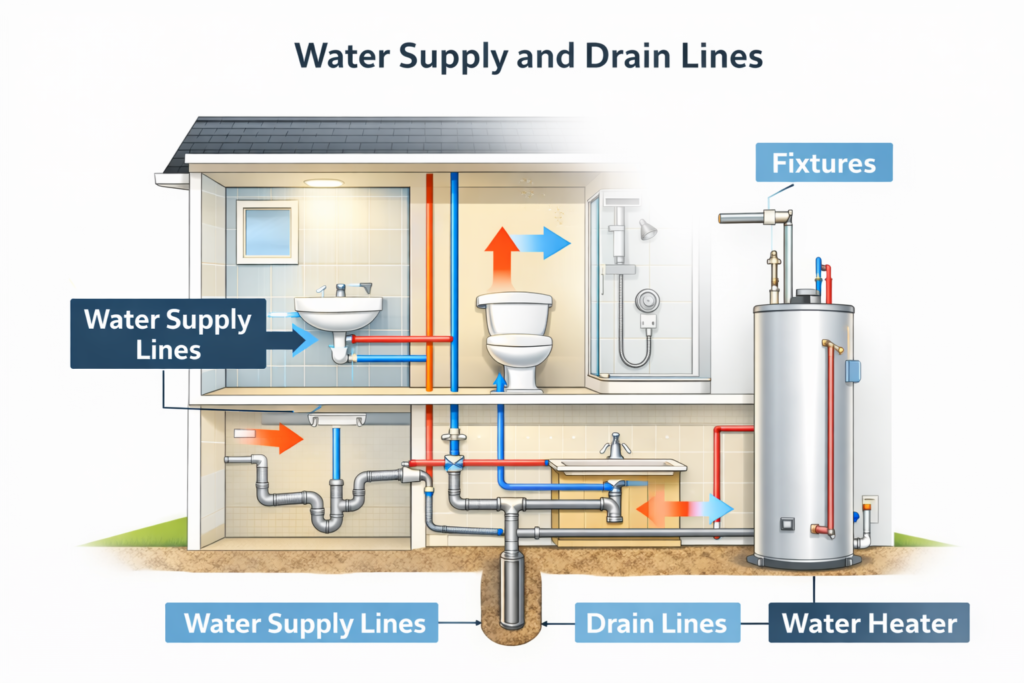
The plumbing system performs two main functions: supplying clean water to fixtures and removing wastewater from the home.
Pressurized water enters the house through a main supply line and is distributed through pipes to sinks, toilets, showers, appliances, and outdoor faucets. After the water is used, it flows through drain pipes that carry wastewater safely away from the home and into a municipal sewer system or septic system.
This continuous flow of water in and out of the house is carefully controlled through pipes, valves, and fixtures that keep the system functioning safely and efficiently.
Main Components
A residential plumbing system typically includes several key parts working together.
Common components include:
- the main water supply line entering the home
- water distribution pipes that deliver water to fixtures
- drain and waste pipes that remove wastewater
- shutoff valves that control water flow
- plumbing fixtures such as sinks, toilets, and showers
- water heaters that provide hot water
In addition, many homes include pressure regulators, cleanouts, and vent pipes that help maintain proper drainage and system pressure.
Warning Signs of Problems
Plumbing issues often develop gradually, so it’s important to notice small warning signs before they turn into major damage.
Common signs of plumbing problems include:
- unexplained increases in water bills
- slow drains or frequent clogs
- dripping faucets or leaking pipes
- low water pressure
- water stains on ceilings or walls
- musty odors or signs of moisture
Even small leaks can cause significant water damage over time, so persistent issues should be inspected and repaired promptly.
Basic Homeowner Awareness
Most plumbing repairs require professional tools and experience, but homeowners can still take a few simple steps to help protect the system.
Knowing where the main water shutoff valve is located can help prevent serious damage during a leak or burst pipe. Regularly checking under sinks and around fixtures for moisture can also help catch small problems early.
Routine home maintenance also includes monitoring plumbing fixtures and drains throughout the year. Our Essential Home Maintenance Checklist outlines several tasks that help homeowners keep an eye on plumbing issues before they escalate.
If you’d like a deeper look at how pipes, drains, and water supply systems work together, see our guide to understanding your home’s plumbing system.
Electrical System
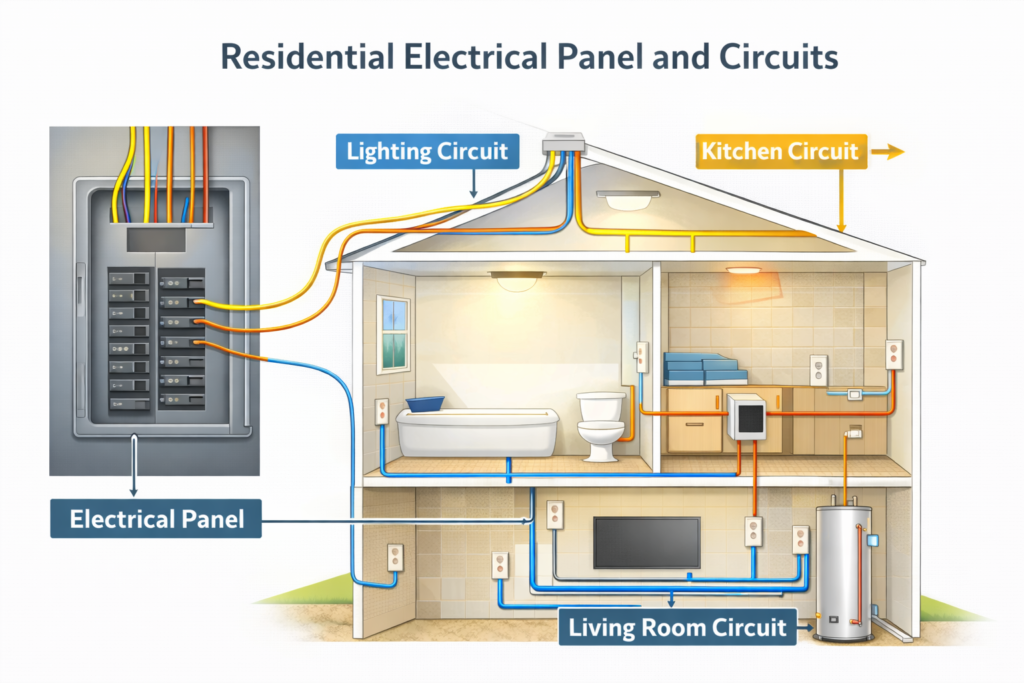
Your home’s electrical system provides power to lighting, appliances, outlets, and many of the devices used every day. It distributes electricity safely throughout the house and allows modern homes to support everything from kitchen appliances to heating and cooling equipment.
Because electricity carries potential safety risks, the electrical system is designed with protective components that regulate power and prevent overloads. Understanding the basics of how your home’s electrical system works can help you recognize warning signs early and maintain a safer living environment.
What It Does
The electrical system delivers electricity from the utility company into the home and distributes it through circuits to outlets, lights, and equipment.
Power enters the house through a service line and flows into the electrical panel, which divides the electricity into individual circuits that serve different areas of the home. These circuits carry electricity through wiring hidden in the walls and ceilings, allowing power to reach switches, fixtures, and outlets throughout the house.
Circuit breakers inside the panel help protect the system by shutting off power if a circuit becomes overloaded or develops a fault.
Main Components
A typical residential electrical system includes several key components that work together to safely distribute electricity.
Common components include:
- the electrical service line from the utility company
- the main electrical panel (breaker panel)
- circuit breakers that protect individual circuits
- wiring that carries electricity through the home
- outlets and switches
- lighting fixtures and connected devices
Many homes also include ground fault or arc fault protection devices designed to reduce electrical hazards in specific areas of the house.
Warning Signs of Problems
Electrical problems can pose serious safety risks if ignored. Homeowners should pay close attention to signs that something may be wrong with the electrical system.
Common warning signs include:
- frequently tripping circuit breakers
- flickering or dimming lights
- outlets or switches that feel warm
- burning smells near outlets or the electrical panel
- buzzing sounds coming from electrical components
- outlets that stop working unexpectedly
If any of these issues occur repeatedly, it’s important to have the system inspected by a qualified electrician.
Basic Homeowner Awareness
Most electrical repairs should always be handled by a licensed professional. However, homeowners can still take a few simple steps to stay aware of how their system is functioning.
Knowing where the main electrical panel is located and understanding how to safely reset a tripped breaker can help restore power quickly if a circuit shuts off. It’s also helpful to avoid overloading outlets and power strips with too many high-demand devices.
Electrical inspections are often included as part of routine home care. Our guide on What Every Homeowner Should Inspect Annually includes several checks that help homeowners stay aware of potential electrical concerns.
If you’d like to learn more about how panels, circuits, and wiring work together, see our guide to understanding your home’s electrical system.
Roofing System
The roofing system protects your home from weather, moisture, and temperature extremes. It forms the outer barrier that shields the structure from rain, snow, wind, and sunlight, helping preserve the integrity of everything beneath it.
While the roof itself is highly visible, the roofing system includes several components working together to keep water out and allow the home to manage heat and moisture properly. When any part of this system begins to fail, it can lead to leaks, structural damage, and costly repairs.
Understanding the basics of how your roof protects the house can help you recognize early warning signs before small issues turn into larger problems.
What It Does
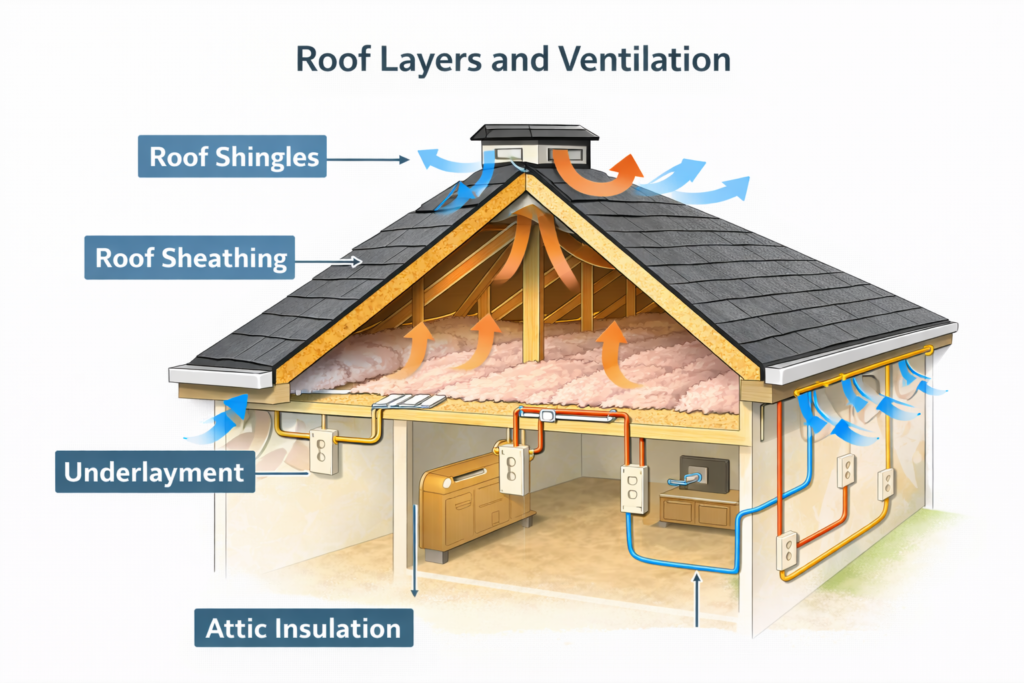
The roofing system directs water away from the home and protects the structure from the elements. Roofing materials create a durable outer layer that sheds rain and snow, while underlying components help prevent moisture from reaching the structure beneath.
Flashing around chimneys, vents, and roof penetrations helps seal vulnerable areas where leaks are more likely to occur. At the same time, proper roof ventilation allows heat and moisture to escape from the attic, which helps extend the life of roofing materials and prevents moisture buildup inside the home.
Together, these elements help maintain a dry, stable environment inside the house.
Main Components
A residential roofing system typically includes several layers and components that work together to protect the home.
Common components include:
- roofing materials such as asphalt shingles, metal panels, or tiles
- roof decking that supports the roofing materials
- underlayment that adds a moisture barrier beneath the roofing surface
- flashing around chimneys, vents, and roof intersections
- roof vents that allow heat and moisture to escape
- gutters and downspouts that direct water away from the house
Each component plays a role in keeping water moving safely off the roof and away from the structure.
Warning Signs of Problems
Roof problems can sometimes develop gradually, so it’s helpful for homeowners to watch for signs that the system may need attention.
Common warning signs include:
• missing, cracked, or curling shingles
• water stains on ceilings or attic surfaces
• granules accumulating in gutters
• sagging areas on the roof surface
• moss or algae growth on roofing materials
• visible damage after severe weather
Because roof leaks can quickly lead to interior damage, it’s best to address potential issues as soon as they are noticed.
Basic Homeowner Awareness
Most roofing repairs require professional experience and safety equipment, but homeowners can still take steps to stay aware of the roof’s condition.
Periodically checking the roof from the ground, monitoring the attic for signs of moisture, and keeping gutters clear can help prevent problems from developing unnoticed. It’s also helpful to inspect the roof after major storms that may have caused damage.
Roof inspections are often part of routine home maintenance. Our guide on What Every Homeowner Should Inspect Annually includes several areas homeowners can review to stay ahead of potential roofing issues.
If you’d like a deeper look at how roofing materials, ventilation, and drainage work together, see our guide to how your roof protects your home.
Foundation and Drainage System
The foundation supports the entire structure of your home and transfers its weight safely to the ground. At the same time, the drainage system around the house helps control how water moves across the property and away from the foundation.
While these two elements are often discussed separately, they work closely together. When water is not properly directed away from the house, it can place pressure on the foundation, seep into basements or crawl spaces, and gradually weaken structural components.
Understanding how your home’s foundation and drainage systems work together can help you recognize early signs of moisture problems and prevent long-term damage.
What It Does
The foundation provides a stable base that supports the entire structure of the home. Depending on the type of construction, the foundation may include a basement, crawl space, or concrete slab.
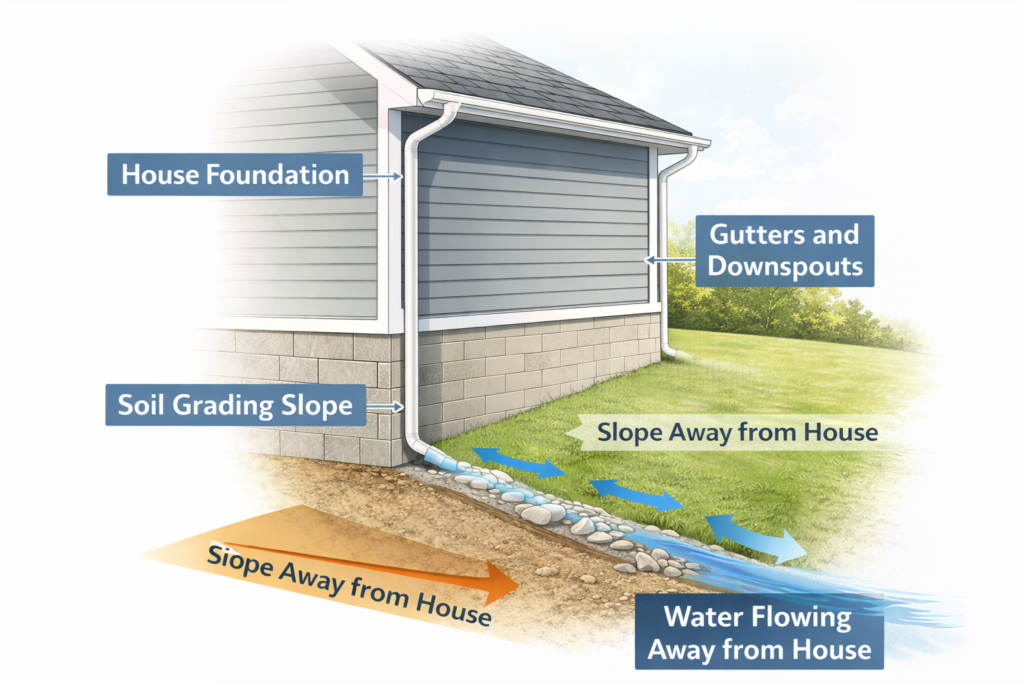
The drainage system surrounding the home helps move rainwater and groundwater away from the foundation. This typically involves grading the soil so water flows away from the house, along with gutters, downspouts, and drainage systems that direct water away from the structure.
When these systems work properly, water is carried safely away from the home instead of collecting near the foundation walls.
Main Components
Several features work together to protect the foundation and manage water around the home.
Common components include:
- the foundation walls or slab that support the structure
- grading around the house that directs water away
- gutters and downspouts that collect roof runoff
- extensions or drainage pipes that move water away from the house
- waterproofing or drainage systems along basement walls
- sump pumps in homes with basements prone to water accumulation
Each component helps ensure that rainwater and groundwater are properly managed around the property.
Warning Signs of Problems
Drainage or foundation issues often appear gradually, so homeowners should watch for signs that moisture may be affecting the structure.
Common warning signs include:
- cracks forming in foundation walls or floors
- water pooling near the foundation after rain
- damp or musty odors in basements or crawl spaces
- visible mold or moisture on basement walls
- doors or windows that begin sticking or shifting
- soil erosion around the foundation
These signs may indicate that water is not being properly directed away from the home.
Basic Homeowner Awareness
Many drainage issues can be prevented with simple maintenance and observation.
Keeping gutters clean, making sure downspouts direct water away from the foundation, and maintaining proper grading around the home can all help reduce the risk of moisture problems. After heavy rain, it’s also helpful to check whether water is pooling near the foundation.
Routine inspections of the exterior and basement areas can help homeowners catch potential problems early. Our guide on What Every Homeowner Should Inspect Annually includes several areas related to drainage and foundation awareness.
If you’d like a deeper look at how grading, drainage systems, and groundwater protection work together, see our guide to how to prevent water damage in your home.
Insulation and Ventilation System
Insulation and ventilation work together to regulate temperature, airflow, and moisture inside a home. While insulation helps slow the transfer of heat, ventilation allows air to circulate and prevents moisture and heat from becoming trapped in enclosed spaces like attics and crawl spaces.
These systems are especially important for energy efficiency and long-term home durability. When insulation and ventilation are properly balanced, they help keep indoor temperatures stable, reduce energy costs, and prevent moisture problems that can lead to mold or structural damage.
Understanding how these two systems function together can help homeowners recognize signs that the home may not be regulating temperature or airflow as effectively as it should.
What It Does
Insulation slows the movement of heat between the inside and outside of the home. In colder months, it helps keep heated air inside the house, and in warmer months it helps keep outdoor heat from entering.
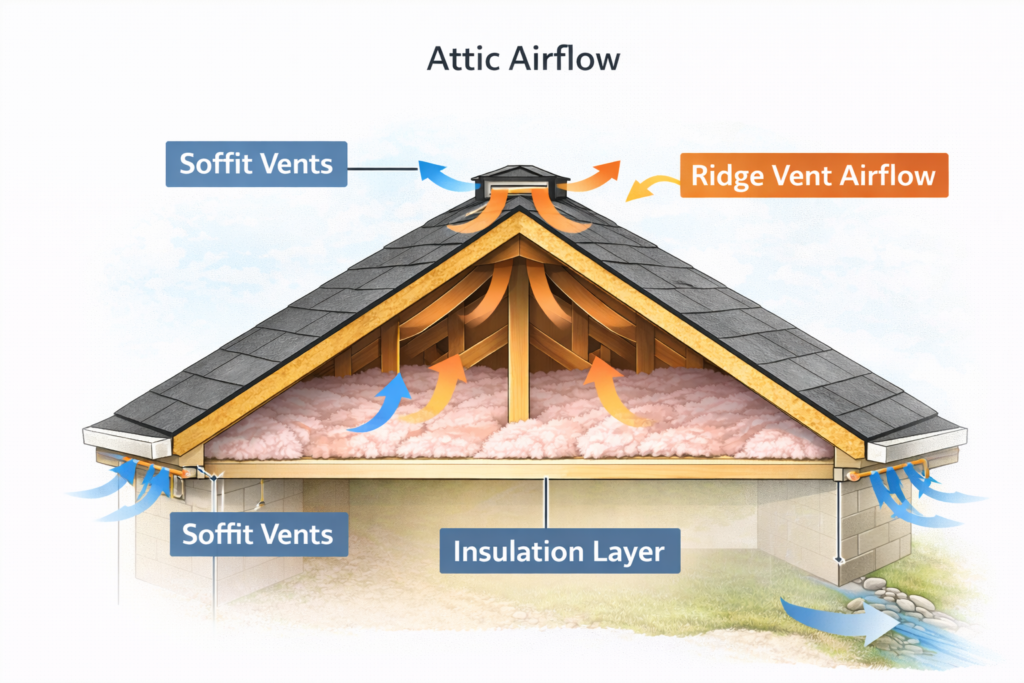
Ventilation allows air to move through spaces like the attic, carrying away excess heat and moisture. This airflow helps prevent condensation, reduces humidity buildup, and protects roofing materials from excessive heat.
Together, insulation and ventilation help maintain comfortable indoor conditions while protecting the structure of the home.
For some more practical guidance, please review our informational guide on how to improve ventilation in a house.
Main Components
Several features work together to control heat transfer and airflow inside the home.
Common components include:
- insulation installed in attics, walls, and floors
- attic vents that allow warm air to escape
- soffit vents that allow fresh air to enter the attic
- ridge vents or roof vents that release heat and moisture
- air barriers that help control unwanted air movement
These components help create a balanced airflow system that allows the home to breathe while still maintaining energy efficiency.
Warning Signs of Problems
When insulation or ventilation isn’t functioning properly, homeowners may notice several warning signs.
Common indicators include:
- rooms that feel unusually hot or cold
- high heating or cooling costs
- ice dams forming on the roof during winter
- excessive heat in the attic
- condensation or moisture in attic spaces
- musty odors or signs of mold
These issues may indicate that insulation levels are insufficient or that airflow through the attic is restricted.
Basic Homeowner Awareness
While insulation installation and ventilation improvements often require professional work, homeowners can still stay aware of how these systems are performing.
Checking the attic periodically for signs of moisture, blocked vents, or compressed insulation can help catch potential problems early. It’s also helpful to ensure that attic vents and soffits remain clear of debris so airflow is not restricted.
Maintaining proper airflow and insulation levels can also improve the performance of other systems in the home, including heating and cooling equipment. If you’d like a deeper look at how these systems work together, see our guide to understanding attic insulation and ventilation.
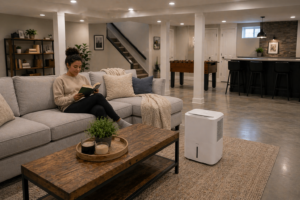
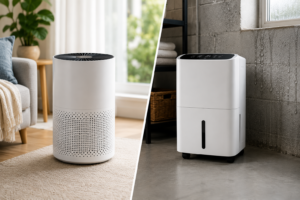
Protect your foundation and improve air quality by selecting from the best dehumidifiers for basements. These units help maintain optimal moisture levels to prevent mold and mildew growth in lower levels.
Water Heating System
The water heating system provides hot water for everyday household activities such as bathing, cooking, cleaning, and laundry. Although it operates quietly in the background, it plays an essential role in daily comfort and convenience.
Most homes rely on a dedicated water heater that heats and stores water until it is needed. Because water heaters operate frequently and handle both heat and pressure, they require periodic maintenance and eventually need replacement after years of use.
Understanding how your home’s water heating system works can help you recognize early signs of trouble and avoid unexpected loss of hot water.
What It Does
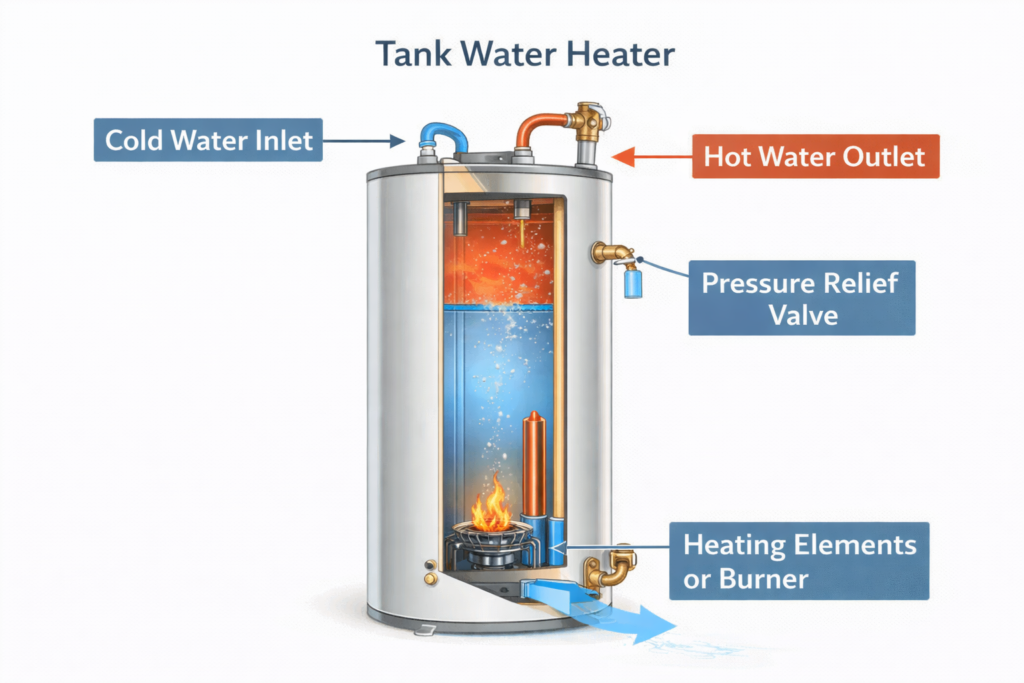
The water heating system warms incoming cold water and delivers hot water to fixtures and appliances throughout the home.
In most homes, cold water enters a storage tank where it is heated using electricity, natural gas, propane, or another energy source. When hot water is used at a faucet or appliance, heated water flows out of the tank while new cold water enters to be heated again.
Some homes use tankless water heaters, which heat water on demand rather than storing it in a tank. These systems can provide continuous hot water but operate differently from traditional tank models.
Main Components
A residential water heating system typically includes several components that help heat and deliver hot water.
Common components include:
- the water heater tank or tankless heating unit
- heating elements or burners that warm the water
- a thermostat that regulates water temperature
- inlet and outlet pipes that connect to the plumbing system
- a pressure relief valve for safety
- a drain valve used for maintenance and flushing
Together, these components allow the system to heat water safely and distribute it throughout the home.
Warning Signs of Problems
Water heaters often show warning signs before they stop working completely. Paying attention to these signals can help homeowners avoid sudden failures.
Common signs of water heater issues include:
- inconsistent or insufficient hot water
- water that takes longer than usual to heat
- unusual noises coming from the tank
- discolored or rusty water
- small leaks or moisture around the unit
- rising energy bills without increased usage
Because water heaters operate under pressure and high temperatures, persistent issues should be inspected by a qualified professional.
Basic Homeowner Awareness
Most water heater repairs require professional service, but homeowners can still take simple steps to monitor the system.
Periodically checking the area around the water heater for signs of leaks, corrosion, or moisture can help catch problems early. Flushing sediment from the tank periodically and maintaining recommended temperature settings may also help improve performance and extend the unit’s lifespan.
Water heaters are one of the systems homeowners should review during routine home maintenance. Our Essential Home Maintenance Checklist includes several tasks that help homeowners stay aware of water heater condition throughout the year.
If you’d like to learn more about how water heaters operate and when they typically need replacement, see our guide to understanding your home’s water heating system.
Appliances vs. Home Systems: What’s the Difference?
Homeowners often use the terms systems and appliances interchangeably, but they refer to different parts of how a house functions. Understanding the difference can make it easier to identify problems and communicate clearly when repairs are needed.
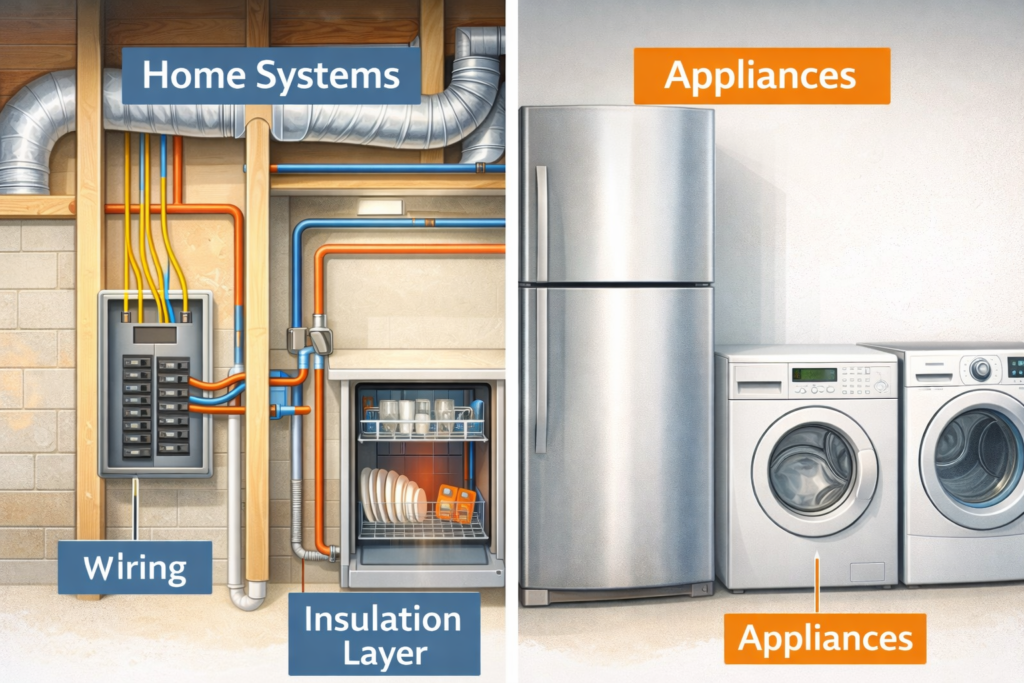
A home system is the underlying network that supports essential functions of the house. These systems include things like plumbing, electrical wiring, heating and cooling equipment, roofing, and drainage.
An appliance, on the other hand, is a specific device that uses one or more of those systems to perform a task.
For example, a dishwasher uses the home’s plumbing system for water supply and drainage, and the electrical system for power. If the dishwasher stops working, the appliance itself may need repair or replacement, but the plumbing and electrical systems that support it may still be functioning properly.
Examples of Home Systems
Home systems are typically built into the structure of the house and operate behind the scenes. They provide the infrastructure that allows the home to function.
Examples of home systems include:
- heating and cooling systems (HVAC)
- plumbing supply and drainage systems
- electrical wiring and breaker panels
- roofing and weather protection systems
- foundation and drainage systems
- insulation and ventilation systems
Because these systems affect the entire home, repairs and upgrades often involve specialized professionals.
Examples of Appliances
Appliances are individual machines designed to perform specific tasks within the home. They rely on the home’s systems to operate but can usually be repaired or replaced independently.
Common household appliances include:
- refrigerators and freezers
- dishwashers
- washing machines and dryers
- ovens and cooktops
- microwaves
- garbage disposals
When an appliance fails, the issue is often limited to the device itself rather than the underlying home systems.
Why This Difference Matters
Understanding the difference between appliances and systems can help homeowners troubleshoot problems more effectively.
For example, if multiple outlets lose power in a room, the issue may involve the electrical system rather than a single appliance. If a washing machine stops draining, the appliance itself may need service, but it could also indicate a plumbing drainage issue.
Recognizing whether a problem is related to an appliance or a larger home system can help homeowners decide what kind of repair may be needed and which professional to contact.
Learning how these components interact also makes it easier to maintain the home over time. Our guide on Repair or Replace? A Practical Guide for Homeowners explains how homeowners can approach these decisions when equipment or systems begin to fail.
Warning Signs a Home System May Need Attention
Many home systems operate quietly in the background, which means problems can develop slowly without being immediately obvious. Learning to recognize early warning signs can help homeowners address issues before they lead to costly repairs or major damage.
While each system has its own specific indicators, several common signals often suggest that something in the home may need inspection or maintenance.
Unusual Noises
Strange or persistent noises can be an early sign that a system is not operating normally.
Examples may include:
- banging or rattling from HVAC equipment
- humming or buzzing near electrical components
- gurgling sounds in plumbing drains
- grinding or rumbling noises from a water heater
While occasional sounds may not indicate a serious issue, repeated or worsening noises are often worth investigating.
Moisture, Leaks, or Water Stains
Water-related issues are among the most common sources of home damage. Signs of unwanted moisture should always be taken seriously.
Potential indicators include:
- water stains on ceilings or walls
- damp areas in basements or crawl spaces
- condensation forming on pipes or windows
- visible mold or musty odors
- standing water near the foundation after rain
Even small leaks can lead to structural damage, mold growth, or deterioration over time if left unresolved.
Sudden Changes in Utility Bills
Unexpected increases in energy or water usage can sometimes indicate a system that is not functioning efficiently.
For example:
- a malfunctioning HVAC system may run longer than normal
- a plumbing leak may cause increased water usage
- an aging water heater may use more energy to maintain temperature
If utility costs rise significantly without an obvious explanation, it may be worth reviewing the systems that rely on those utilities.
Temperature or Comfort Changes
Changes in indoor comfort can also signal that a system may not be working as intended.
Examples include:
- rooms that feel significantly hotter or colder than others
- weak airflow from vents
- excessive humidity inside the home
- drafts near windows, doors, or attic spaces
These issues may indicate problems related to HVAC equipment, insulation, ventilation, or airflow balance.
Electrical Irregularities
Electrical systems are designed to operate safely and consistently, so irregular behavior should not be ignored.
Warning signs may include:
- frequently tripping circuit breakers
- flickering or dimming lights
- outlets or switches that feel warm
- appliances losing power unexpectedly
Electrical concerns should be evaluated carefully, especially if they occur repeatedly.
Structural Changes or Movement
Gradual structural changes can sometimes indicate drainage or foundation issues.
Signs to watch for include:
- cracks forming in walls or ceilings
- doors or windows that suddenly begin sticking
- uneven floors or shifting surfaces
- widening cracks in foundation walls
These issues may develop slowly, but they can signal underlying problems that should be evaluated before they worsen.
Trusting Early Warning Signs
Many expensive home repairs begin with small symptoms that go unnoticed for months or years. Paying attention to unusual changes in how the home sounds, feels, or performs can help homeowners address problems earlier.
Routine inspections and basic home maintenance can also help identify issues before they become serious. Our guide on What Every Homeowner Should Inspect Annually provides a simple framework for reviewing important areas of the home each year.
How Often Homeowners Should Check Major Systems
Home systems don’t require constant attention, but regular observation and occasional inspections can help homeowners catch small problems before they become expensive repairs. Most issues develop gradually, which means routine checks are often enough to identify warning signs early.
Rather than waiting for something to fail, it’s helpful to think of system awareness as part of a normal home maintenance routine.
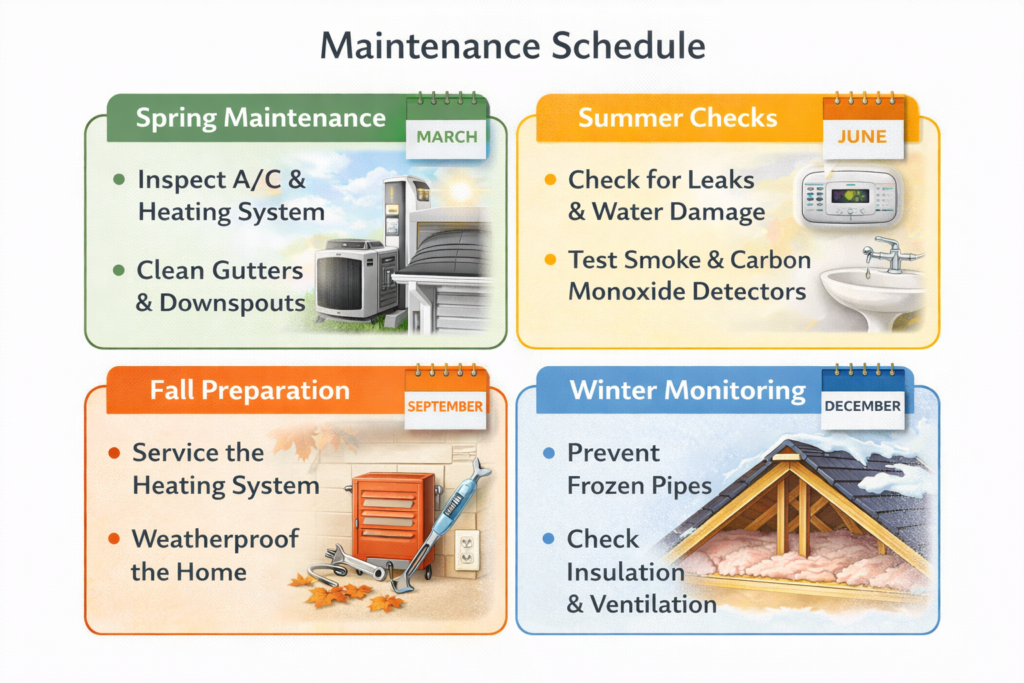
Seasonal Checks
Some systems benefit from simple seasonal reviews, especially those affected by weather and temperature changes.
Examples of seasonal checks may include:
- replacing HVAC air filters
- clearing debris from gutters and downspouts
- checking outdoor faucets and irrigation systems
- inspecting attic spaces for ventilation issues
- reviewing exterior drainage after heavy rain
These types of tasks are often performed a few times each year as the seasons change.
For a more detailed schedule of seasonal maintenance tasks, see our Seasonal Home Maintenance Checklist.
Annual Inspections
Certain systems should be reviewed at least once each year to ensure they are functioning safely and efficiently.
Annual checks may include:
- inspecting roofing materials for damage
- reviewing the condition of plumbing fixtures and supply lines
- testing smoke detectors and electrical safety devices
- checking basements or crawl spaces for moisture
- reviewing attic insulation and ventilation conditions
These inspections do not require advanced expertise, but they can help homeowners stay aware of potential problems developing within the home.
Our guide on What Every Homeowner Should Inspect Annually outlines several key areas homeowners can review during a yearly inspection.
Professional Maintenance
Some systems require professional service periodically to maintain safe and efficient operation.
Common examples include:
- HVAC system servicing and inspections
- chimney or flue inspections where applicable
- electrical panel or wiring evaluations in older homes
- plumbing system inspections if persistent issues occur
- roof inspections after severe storms
Professional maintenance helps ensure that complex systems continue to operate safely and that potential problems are addressed before they worsen.
Building a Routine Maintenance Habit
The most effective way to manage home systems is to build simple maintenance habits throughout the year. Small, consistent checks often prevent larger problems from developing unnoticed.
Many homeowners find it helpful to follow a structured maintenance plan that spreads tasks across the year rather than attempting to review everything at once.
Our Essential Home Maintenance Checklist provides a practical starting point for developing a routine that helps protect the systems throughout your home.
When to DIY and When to Call a Professional
Many homeowners are comfortable handling small maintenance tasks around the house, but not every repair should be treated as a do-it-yourself project. Some systems involve safety risks, specialized tools, or technical knowledge that make professional service the better choice.
Understanding the difference between routine maintenance and complex repairs can help homeowners protect both their property and their personal safety.
Tasks Many Homeowners Can Handle
There are several basic maintenance tasks that most homeowners can perform safely with minimal tools or training. These tasks typically involve observation, cleaning, or simple replacement of accessible components.
Common homeowner maintenance tasks include:
- replacing HVAC air filters
- clearing debris from gutters and downspouts
- checking for leaks under sinks or around fixtures
- resetting a tripped circuit breaker
- inspecting attic spaces for moisture or airflow problems
- testing smoke and carbon monoxide detectors
These small tasks help homeowners stay aware of how their systems are performing without requiring advanced technical knowledge.
Situations That Often Require a Professional
Some repairs involve safety concerns or technical complexity that make professional service the safer option.
Homeowners should typically consult a qualified professional for issues involving:
- electrical wiring or panel work
- gas lines or combustion equipment
- major plumbing repairs or pipe replacement
- HVAC system repairs or refrigerant handling
- structural concerns involving the roof or foundation
- persistent leaks or moisture problems
Professionals have the training and tools needed to diagnose these issues correctly and perform repairs safely.
Safety Should Always Come First
If a repair involves electricity, gas, structural components, or anything that could create a safety hazard, it’s usually best to avoid attempting the repair without proper training.
In many cases, the most responsible decision a homeowner can make is to recognize when professional help is needed. Attempting complex repairs without the right experience can sometimes make problems worse or create new risks.
Staying Informed Helps You Make Better Decisions
Even when repairs require professional service, homeowners benefit from understanding how their home systems work. Basic awareness makes it easier to describe problems clearly, ask informed questions, and evaluate repair recommendations.
For homeowners facing larger repair decisions, our guide on Repair or Replace? A Practical Guide for Homeowners explains how to approach situations where equipment or systems may be nearing the end of their lifespan.
Understanding Your Home Helps You Maintain It Better
Your home is made up of several interconnected systems that work together to keep the structure safe, comfortable, and functional. From heating and cooling to plumbing, electrical wiring, roofing, and drainage, these systems operate quietly in the background every day.
While homeowners don’t need to become experts in every system, understanding the basics of how they work can make a significant difference. Recognizing early warning signs, performing simple maintenance tasks, and knowing when to call a professional can help prevent small issues from turning into expensive repairs.
Developing a habit of periodic inspections and routine maintenance is one of the most effective ways to protect your home over time. Even simple observations—such as noticing unusual noises, moisture, or changes in comfort—can provide early clues that a system may need attention.
For homeowners looking to build a consistent maintenance routine, our Essential Home Maintenance Checklist provides a practical starting point. You may also find it helpful to review the Seasonal Home Maintenance Checklist and our guide on What Every Homeowner Should Inspect Annually, which highlight many of the areas discussed in this guide.
Taking the time to understand how your home works can help you make more confident decisions, maintain your property more effectively, and avoid many of the costly surprises that come from neglected systems. New homeowners should also review our Start Here guide.
Learn More About Home Maintenance, Systems and Equipment
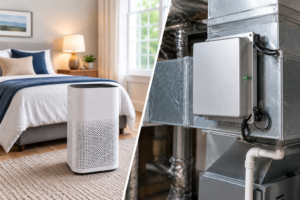
If you want to better understand how air quality works in your home, these guides will help you go deeper.
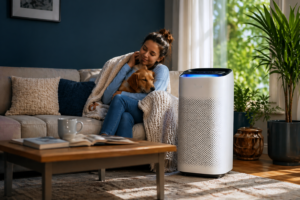
Understanding how allergens move through your home—and how filtration works—can make a noticeable difference in long-term comfort.