
The Essential Home Maintenance Checklist for Homeowners
Owning a home comes with a long list of responsibilities, but most major problems don’t appear overnight. They usually begin as small issues that go unnoticed until they become expensive repairs. A practical home maintenance routine helps homeowners stay ahead of those problems while protecting the long-term value of their home.
A well-organized home maintenance checklist makes it easier to keep track of what needs attention throughout the year. Instead of reacting to unexpected repairs, homeowners who perform regular inspections and small preventative tasks often avoid many of the most common and costly home issues.
Home, Done Right – Perspective
Home maintenance isn’t about doing everything perfectly or constantly fixing things. It’s about paying attention to the small details before they turn into expensive problems.
Most homeowners are surprised to learn that a few simple inspections each season can prevent many of the issues that lead to major repairs.
Why Home Maintenance Matters
Most homes don’t fail suddenly. Problems usually begin as small, manageable issues—an unnoticed leak, a clogged gutter, a worn seal around a window. When those small issues go unchecked, they slowly turn into repairs that are far more expensive and disruptive.
A simple home maintenance checklist helps homeowners stay ahead of these problems. By regularly checking the most important areas of the house, you can catch small issues early, extend the life of major systems, and avoid emergency repairs.
Regular maintenance also helps your home operate more efficiently. Clean filters improve airflow, properly sealed windows reduce energy loss, and routine inspections help appliances and systems last longer. Over time, these small habits can save homeowners significant money and stress.
Pro Tip
Most expensive home repairs happen because small issues go unnoticed. A quick monthly walk-through of your home can catch early warning signs before they become costly problems.
How Often Should Home Maintenance Be Done?
Home maintenance becomes much easier when you think of it in three simple timeframes: seasonal tasks, annual inspections, and ongoing awareness of your home’s systems.
Seasonal maintenance includes tasks that should be done a few times each year, often tied to changes in weather. For example, cleaning gutters in the fall or checking outdoor faucets before winter helps prevent seasonal damage.
Annual inspections involve looking at parts of the home that don’t need constant attention but still benefit from a yearly check. Roof inspections, appliance checks, and examining attic ventilation are examples of things homeowners should review once a year.
Finally, there is ongoing awareness by simply paying attention to your home. Listening for unusual sounds from appliances, noticing changes in humidity, or spotting small leaks early can prevent larger problems from developing.
Basic Home Maintenance Tasks Every Homeowner Should Know
While every home is different, most homeowners benefit from regularly checking a few essential areas. A practical home maintenance checklist usually includes tasks like these:
- Clean gutters and downspouts
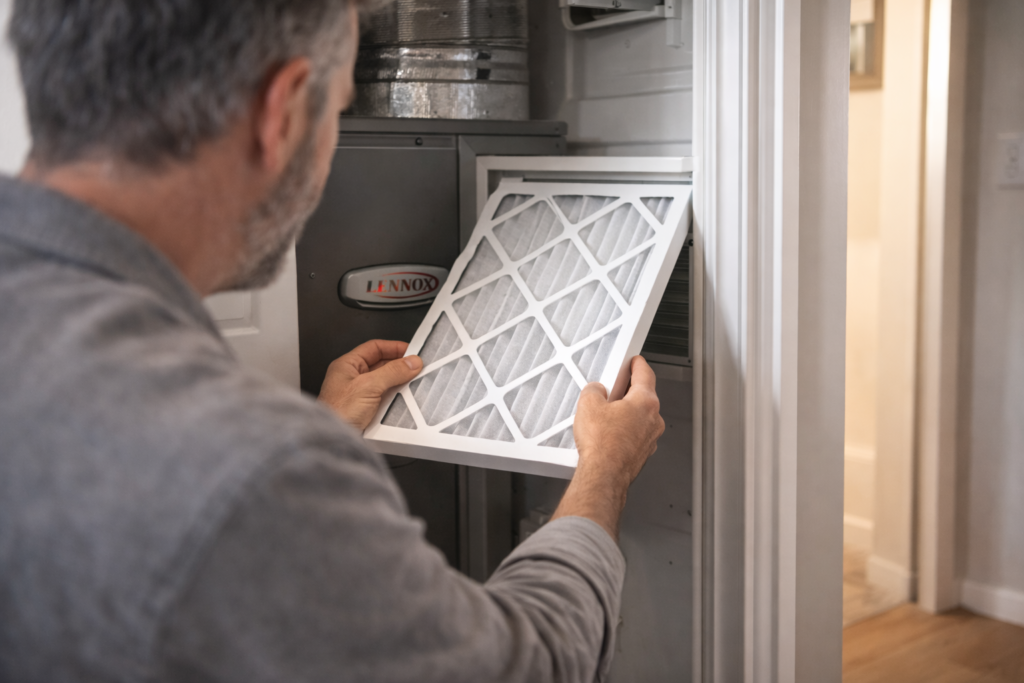
- Replace HVAC air filters
- Test smoke and carbon monoxide detectors
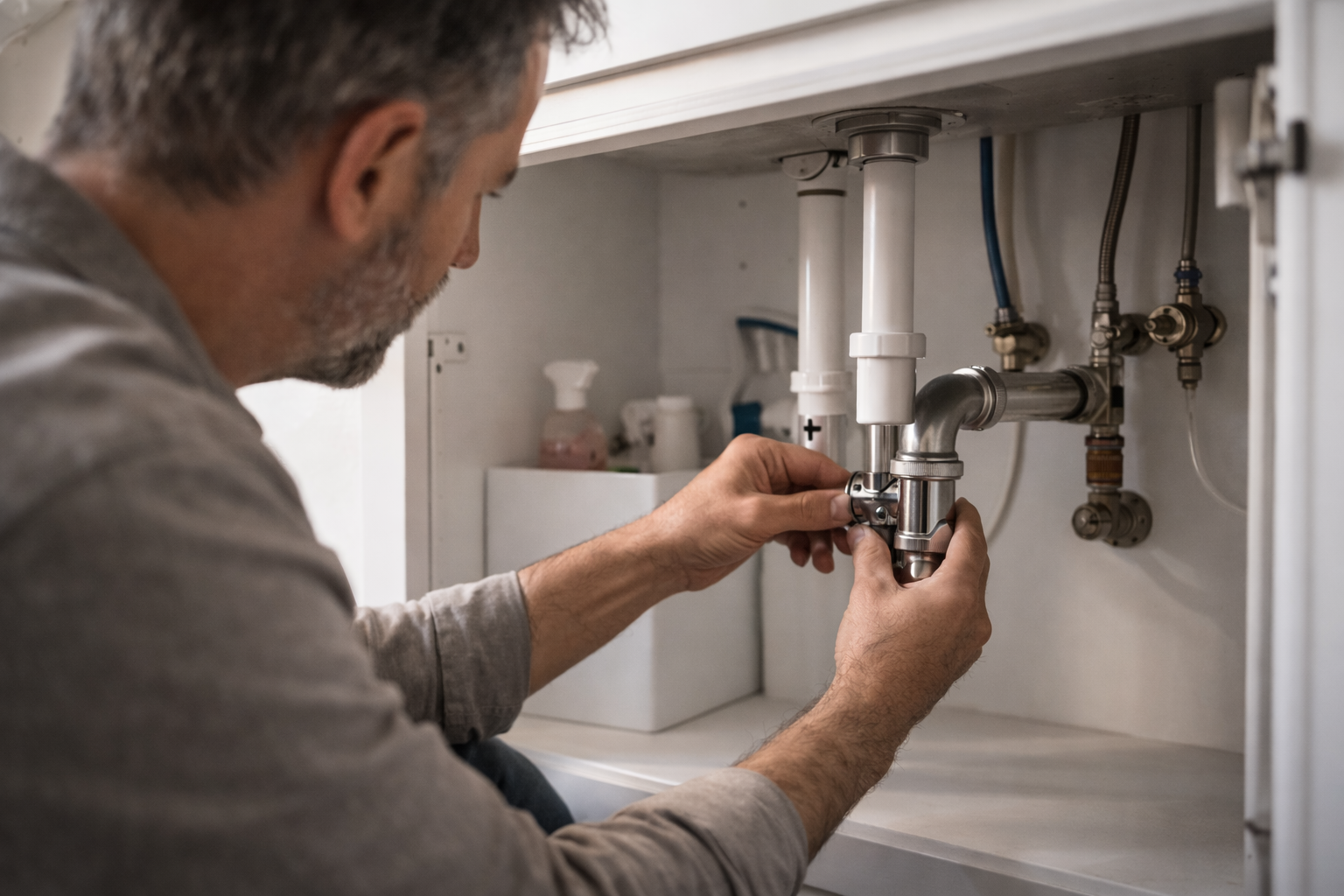
- Inspect plumbing for leaks
- Check caulking around sinks and tubs
- Inspect exterior siding and trim
- Test GFCI outlets
- Inspect roof and flashing for visible damage
These tasks may seem simple, but together they address many of the small issues that eventually lead to larger repairs if ignored.
The Essential Home Maintenance Checklist
A practical home maintenance checklist works best when it’s organized by the major parts of your home. Breaking tasks into categories helps ensure nothing important gets overlooked.
Exterior Maintenance
The outside of your home protects everything inside it. Regularly checking exterior components helps prevent weather damage and structural problems.
Common exterior checks include:
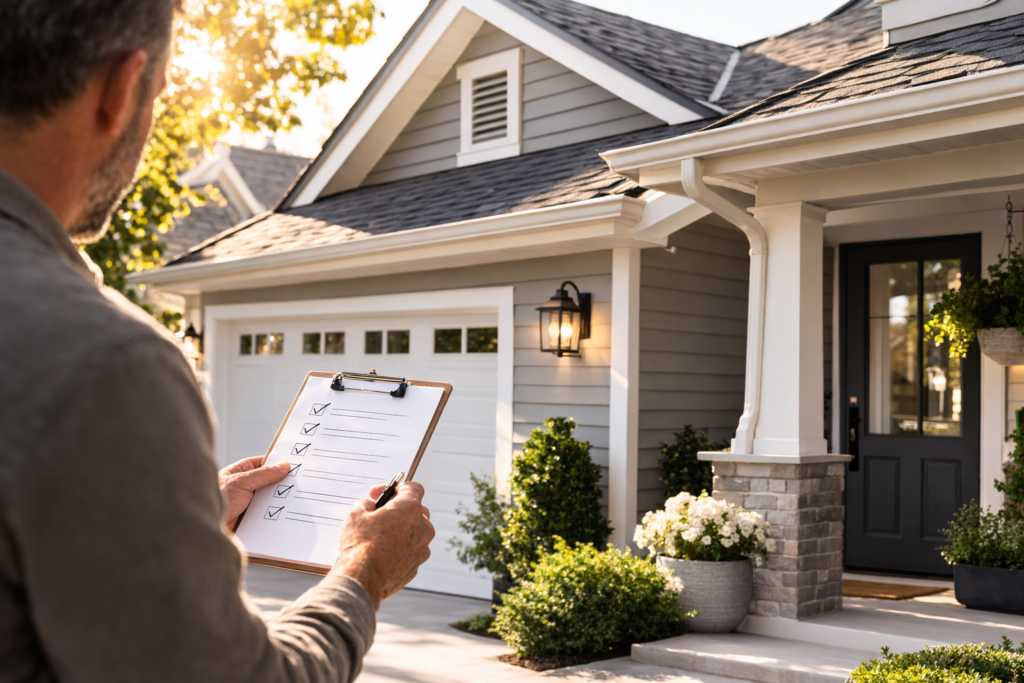
- Inspecting the roof for missing shingles or visible damage
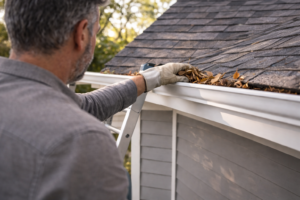
- Cleaning gutters and ensuring downspouts direct water away from the foundation
- Checking siding, trim, and exterior paint for wear or cracks
- Looking for signs of water pooling near the foundation
- Inspecting outdoor faucets and hose connections
Interior Maintenance
Inside the home, small inspections can prevent issues related to plumbing, electricity, and everyday wear.
Interior checks often include:
- Testing smoke and carbon monoxide detectors
- Inspecting under sinks and around appliances for slow leaks
- Checking bathroom and kitchen caulking
- Testing GFCI outlets in kitchens, bathrooms, and garages
- Looking for early signs of mold or moisture problems
Many interior maintenance tasks take only a few minutes but can prevent larger issues later.
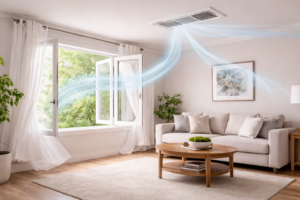
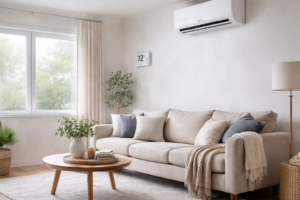
HVAC and Air Systems
Heating and cooling systems are among the most expensive systems in a home, but they also benefit greatly from simple maintenance.
Homeowners should:
- Replace HVAC filters regularly
- Check vents and returns for dust buildup or blockages
- Confirm thermostats are working correctly
- Listen for unusual sounds from heating or cooling equipment
Maintaining airflow and keeping systems clean helps improve efficiency and extend equipment life.
Water is one of the biggest threats to a home’s structure, so keeping gutters clear and directing water away from the house is especially important.
Seasonal Home Maintenance Tasks
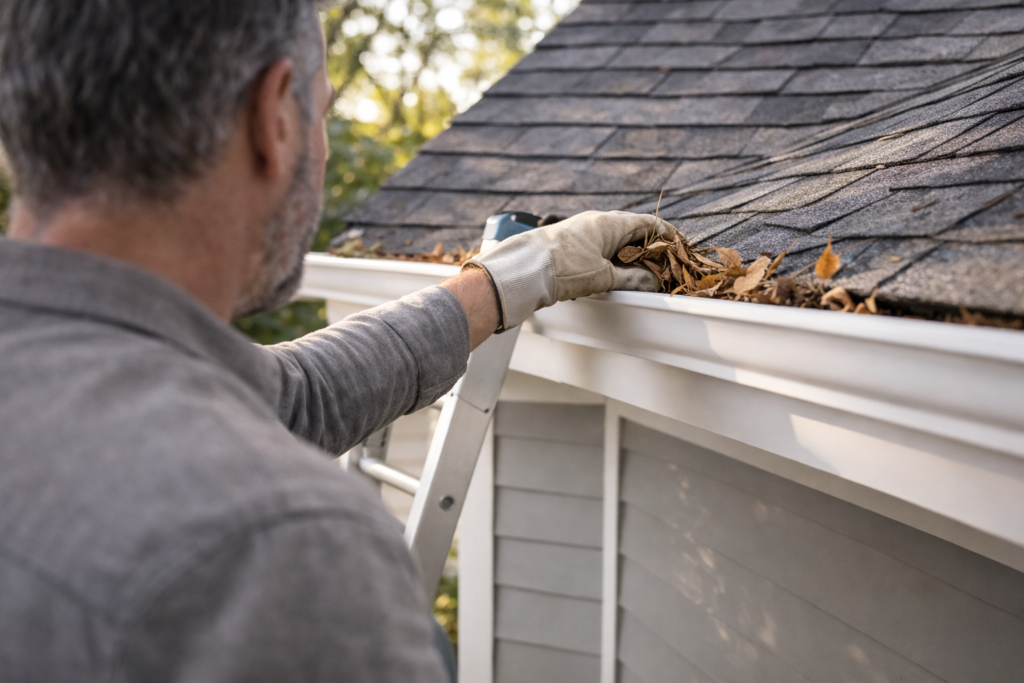
Many home maintenance tasks are tied to changes in weather. Dividing your home maintenance checklist into seasonal check-ins makes it easier to remember what needs attention and helps prevent problems before they develop.
While every home is different, most homeowners benefit from a quick inspection at the start of each season.
Spring Maintenance
Spring is a good time to inspect the home for damage caused by winter weather and prepare the house for warmer temperatures.
Typical spring tasks include:
- Inspecting the roof and gutters for winter damage
- Checking the exterior of the home for cracked siding or peeling paint
- Testing outdoor faucets and irrigation systems
- Cleaning outdoor vents and exhaust outlets
- Inspecting window seals and screens
These checks help identify small issues before they worsen during the year.
Summer Maintenance
Summer maintenance focuses on ventilation, cooling systems, and outdoor areas of the home.
Important summer tasks include:
- Replacing HVAC filters
- Checking attic ventilation
- Inspecting decks, patios, and outdoor structures
- Cleaning dryer vents and exhaust ducts
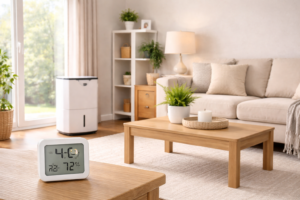
- Monitoring indoor humidity levels
Keeping airflow systems clean during the warmer months helps maintain indoor comfort and energy efficiency.
Fall Maintenance
Fall is one of the most important seasons for home maintenance because it prepares the home for colder weather.
Fall maintenance tasks often include:
- Cleaning gutters and downspouts
- Inspecting the roof before winter storms
- Servicing heating systems
- Sealing gaps around doors and windows
- Draining outdoor hoses and faucets
Many homeowners perform a full home inspection in the fall to prevent winter-related problems.
Winter Maintenance
Winter maintenance focuses on monitoring systems and protecting the home from freezing temperatures.
Common winter tasks include:
- Checking for ice buildup on the roof or gutters
- Monitoring indoor humidity levels
- Inspecting pipes in colder areas of the home
- Testing heating systems periodically
- Checking smoke and carbon monoxide detectors
Even small winter inspections can help prevent costly emergencies.
For a full seasonal maintenance routine, see our Seasonal Home Maintenance Checklist.
Common Maintenance Mistakes Homeowners Make
Even homeowners who care about their homes sometimes overlook small maintenance tasks. Most problems don’t happen because someone ignores their home entirely—they happen because small issues go unnoticed or feel unimportant at the time.
Recognizing a few common maintenance mistakes can help homeowners avoid repairs that are far more expensive than the original problem.
Ignoring Small Leaks
A slow drip under a sink or a tiny stain on the ceiling might seem harmless, but water damage often begins with small leaks that go unnoticed for weeks or months. Over time, even minor leaks can lead to mold, wood rot, or structural damage.
Regularly checking plumbing connections and looking under sinks or around appliances can help catch these issues early.
Forgetting to Replace HVAC Filters
One of the simplest tasks in a home maintenance checklist is also one of the most commonly overlooked. Dirty HVAC filters reduce airflow, make heating and cooling systems work harder, and can shorten the lifespan of expensive equipment.
Most homes benefit from replacing air filters every few months, especially during heavy heating or cooling seasons.
Skipping Gutter Cleaning
Clogged gutters are responsible for many preventable home problems. When gutters fill with leaves and debris, water can overflow and run down the exterior walls or collect around the foundation.
Cleaning gutters once or twice a year helps direct rainwater away from the house and prevents water-related damage.
Waiting Until Something Breaks
Many homeowners only think about maintenance after something stops working. Unfortunately, by the time a system fails, repairs are often more expensive and disruptive.
Routine inspections of appliances, plumbing, and electrical systems can reveal early warning signs that allow homeowners to address issues before they turn into emergencies.
Overlooking Moisture and Humidity
Humidity problems often develop slowly, especially in basements, crawl spaces, and bathrooms. Excess moisture can lead to mold growth, musty odors, and long-term structural damage if it isn’t addressed.
Monitoring humidity levels and improving ventilation can prevent many of these problems before they begin.
Managing humidity is also an important part of home maintenance, especially in basements and bathrooms.
When to Act
Some maintenance issues require immediate attention because they can quickly lead to damage or safety risks if ignored.
Homeowners should take action when they notice:
- Active water leaks from plumbing or appliances
- Mold growth or persistent musty odors
- Electrical issues such as outlets that spark or trip breakers
- Roofing damage that allows water inside
- Heating or cooling systems that stop working unexpectedly
Problems like these often worsen quickly and can lead to expensive repairs if they aren’t addressed promptly.
When to Monitor
Other issues can be watched over time rather than repaired immediately. These are often cosmetic or early signs of wear that don’t pose immediate risks.
Homeowners can usually monitor things like:
- Small hairline cracks in drywall or trim
- Minor wear on exterior paint or caulking
- Older appliances that are still functioning normally
- Slight changes in humidity during seasonal weather changes
- Cosmetic wear on flooring or cabinetry
Paying attention to these smaller issues helps homeowners decide when repairs are truly necessary without feeling pressure to fix everything at once.
If you want a structured place to explore practical homeowner advice, you can browse all of our Home Maintenance Guides.
The Bottom Line
Owning a home involves many small responsibilities, but most maintenance tasks are simple once they become part of a routine. A practical home maintenance checklist helps homeowners stay organized, protect their property, and avoid many of the costly surprises that come from neglected upkeep.
Over time, building the habit of seasonal inspections and small preventative tasks becomes one of the most valuable things a homeowner can do to protect both their home and their budget.
If you’re just getting started, visit our Start Here page for a homeowner roadmap.