
How to Reduce Humidity in a Basement
Basements are one of the most common areas in a home where humidity builds up. Because they are below ground level, they are more prone to moisture from soil, limited airflow, and cooler temperatures that allow humidity to settle.
High humidity in a basement can lead to musty odors, condensation, and conditions where mold may develop. Even if there are no visible problems, excess moisture can affect stored items and the overall air quality of the home.
Reducing humidity in a basement involves controlling moisture sources, improving airflow, and using the right tools to maintain balanced indoor conditions. With the right approach, most basements can be kept dry and comfortable year-round.
Home, Done Right – Perspective
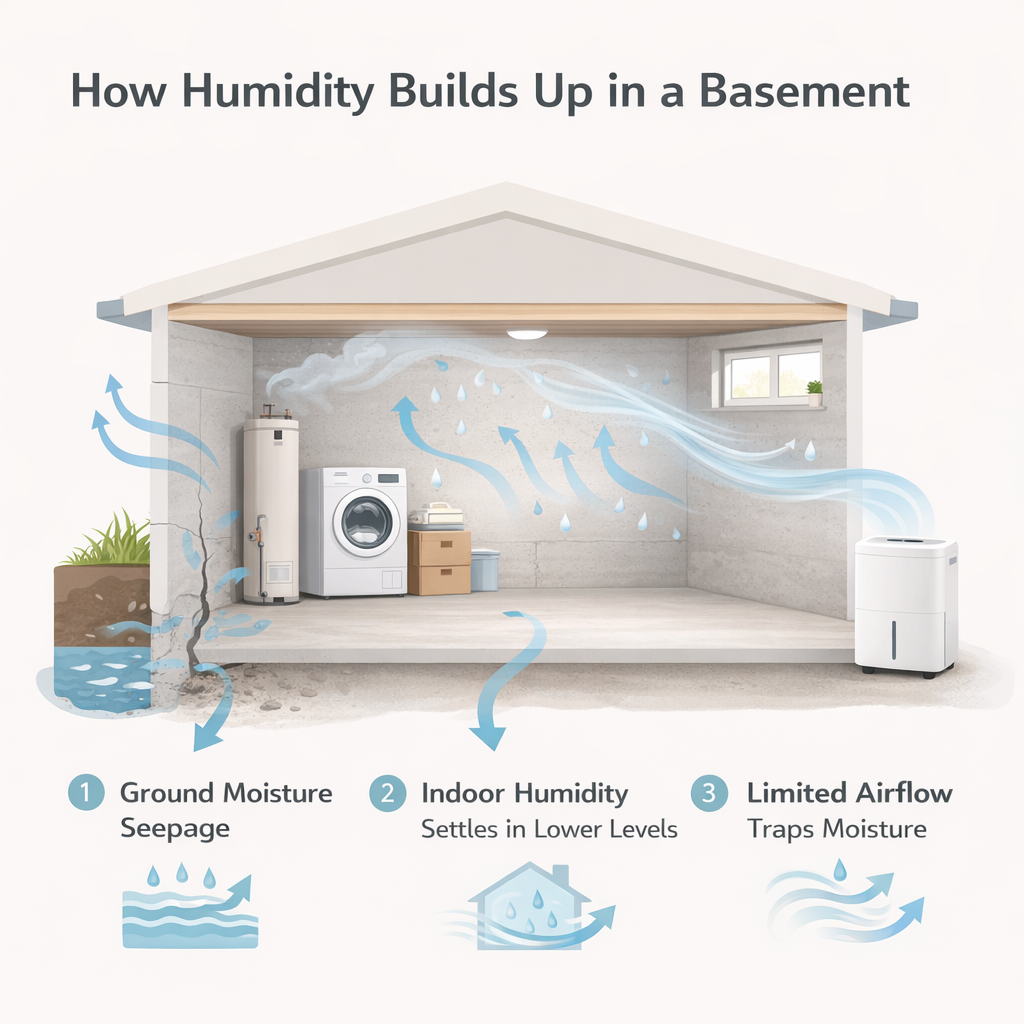
Basement humidity is often caused by a combination of moisture entering from the ground and limited airflow within the space. In many cases, reducing humidity is less about a single solution and more about managing multiple factors like moisture sources, ventilation, and air circulation together.
Why Basements Have Higher Humidity
Basements tend to have higher humidity levels than the rest of a home because of their location and environment. Being below ground level exposes them to moisture from surrounding soil, while limited airflow allows that moisture to build up over time.
Cooler temperatures in basements also make it easier for humidity to condense on surfaces, which can lead to damp conditions even when moisture levels are only moderately high.
Common Sources of Basement Humidity
Some of the most common sources include:
- Ground moisture entering through foundation walls
- High indoor humidity settling in lower levels
- Poor ventilation and limited airflow
- Small cracks or gaps in the foundation
In This Guide
Reducing humidity in a basement starts with understanding where the moisture is coming from and how airflow affects the space. In most homes, basement humidity is caused by a combination of ground moisture, limited ventilation, and excess humidity settling in lower levels.
In this guide you will learn how to:
- Understand why basements often have higher humidity
- Identify the most common causes of basement moisture buildup
- Use dehumidifiers and ventilation to lower humidity
- Seal entry points that allow moisture inside
- Recognize signs that humidity levels are too high
These steps can help homeowners keep basements drier, healthier, and less prone to mold or moisture damage.
Common Causes of Basement Humidity
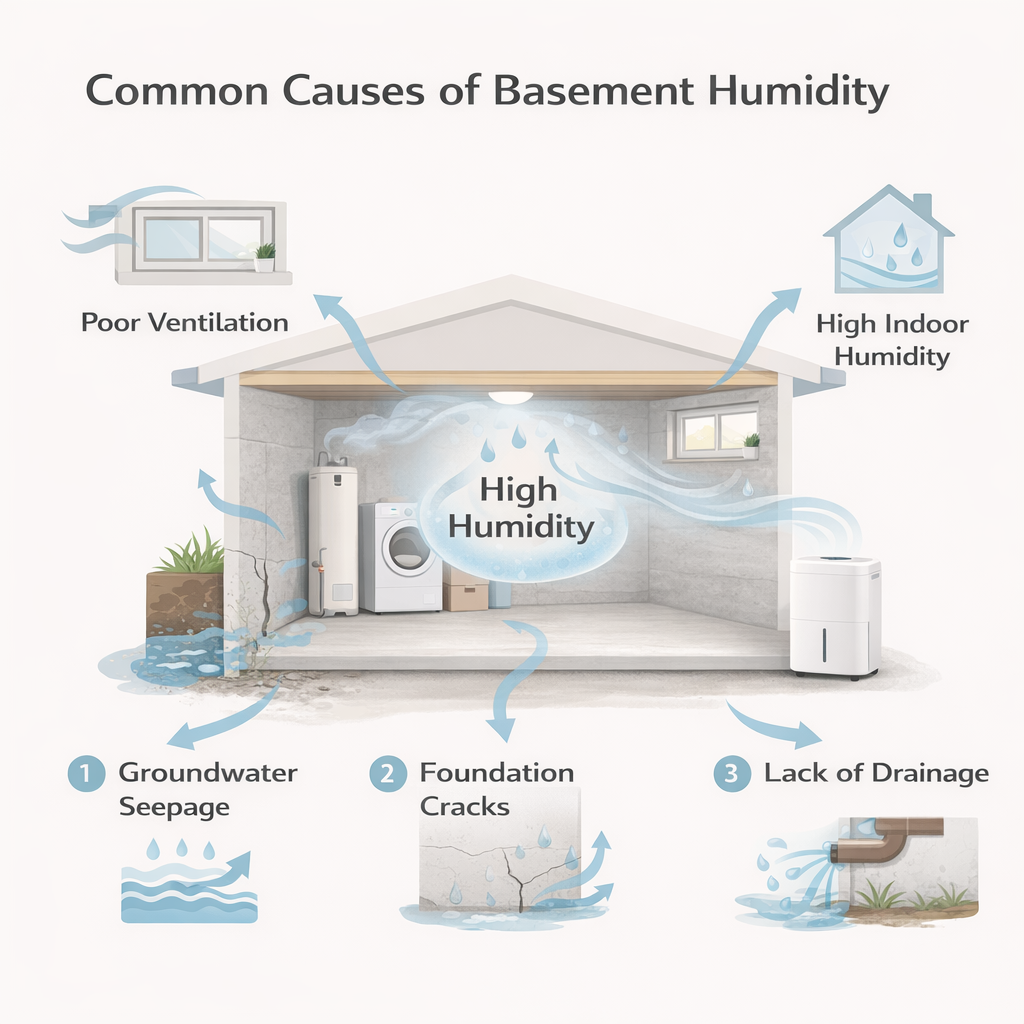
Several factors can contribute to high humidity levels in a basement. In many cases, it is not just one issue but a combination of conditions that allow moisture to build up over time.
Understanding these causes can help homeowners identify where the problem is coming from and take the right steps to address it.
Poor Ventilation
Basements often have limited airflow compared to the rest of the home. Without proper ventilation, humid air becomes trapped and continues to build up.
Learn more: How to Improve Ventilation in a House
High Indoor Humidity
Moisture from everyday activities in the home can settle in lower areas like the basement, especially when airflow is limited.
Learn more: How to Reduce Humidity in a House
Ground Moisture and Seepage
Moisture from the surrounding soil can enter the basement through foundation walls or small cracks. Even minor seepage can increase humidity levels over time.
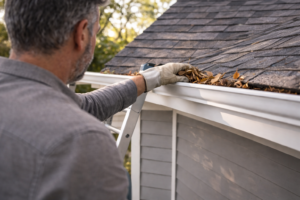
Poor Drainage Around the Home
Water collecting around the foundation can increase moisture pressure on basement walls, allowing humidity and water to enter.
How to Reduce Humidity in a Basement
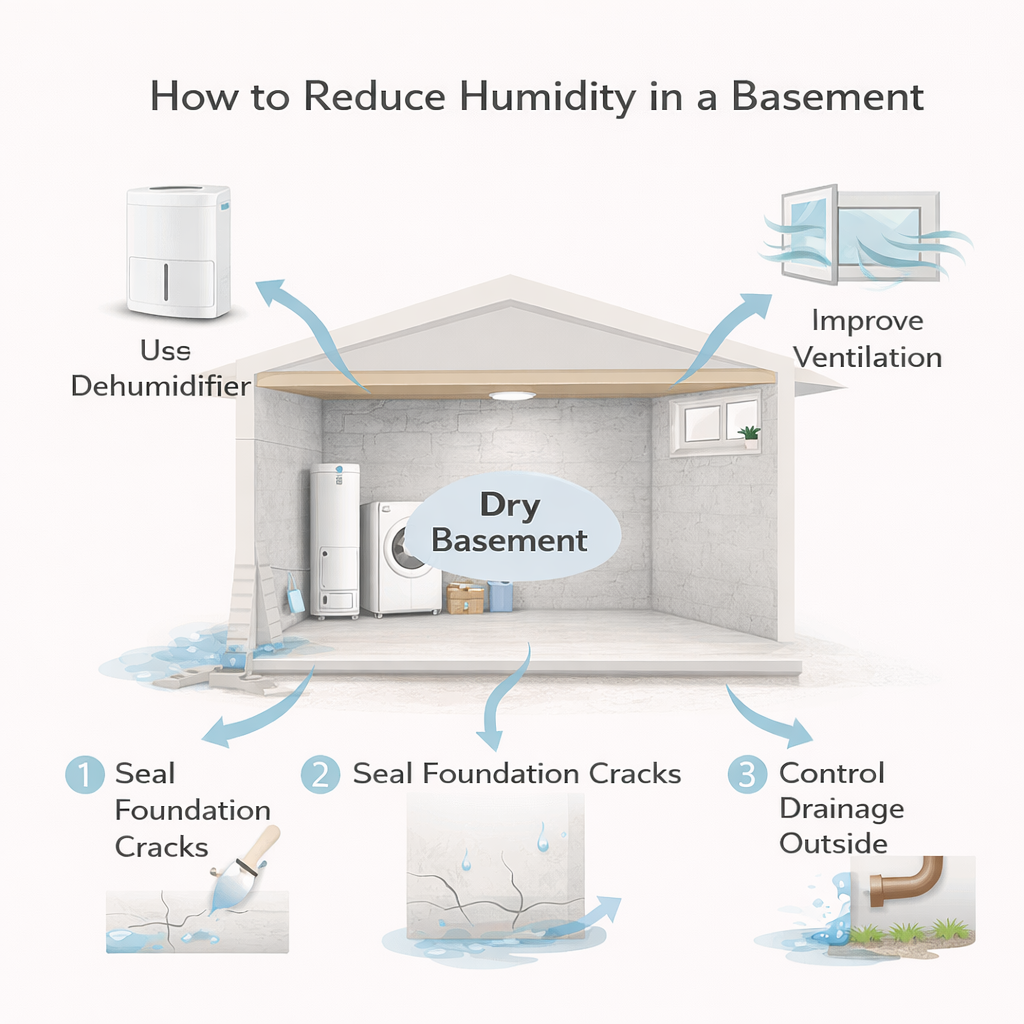
Reducing humidity in a basement involves controlling moisture at the source and improving airflow. In most cases, combining a few key strategies can significantly lower humidity levels and keep the space dry.
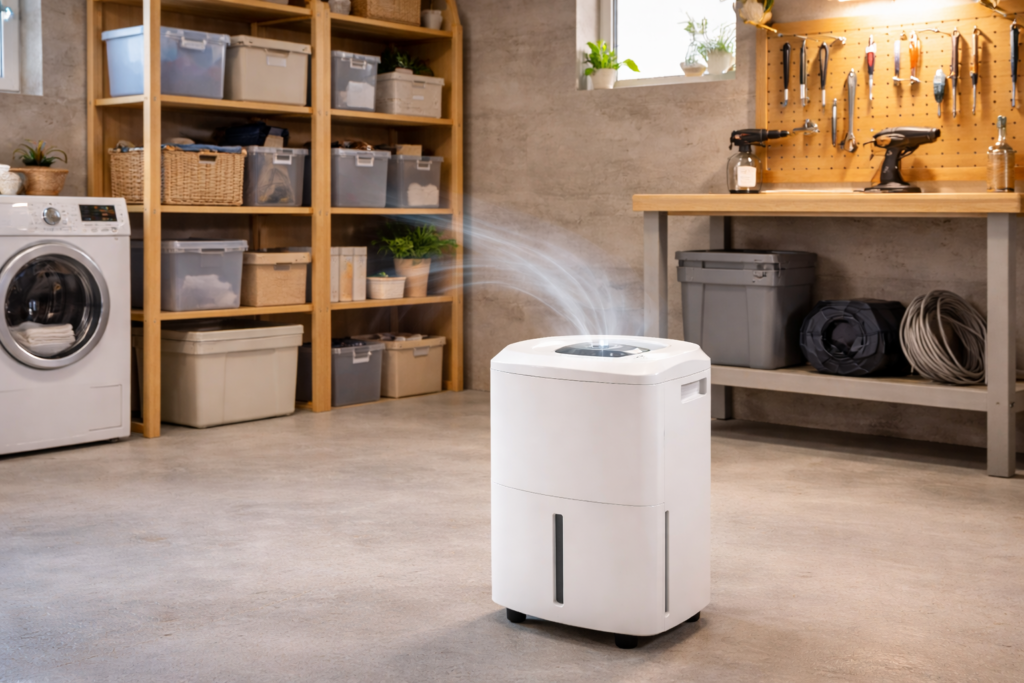
Use a Dehumidifier
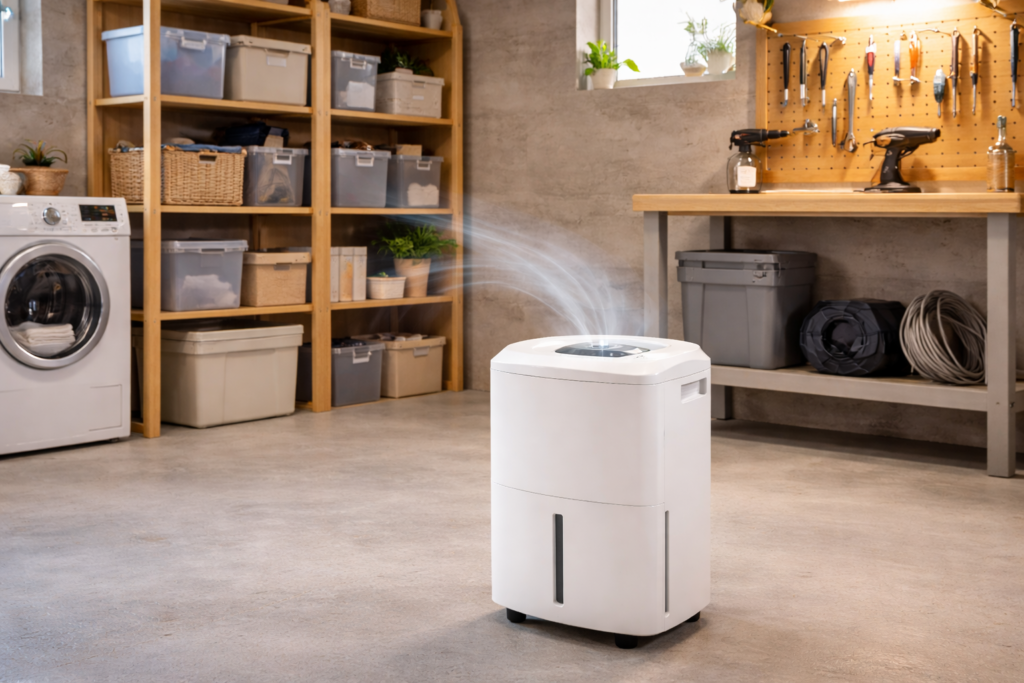
A dehumidifier is one of the most effective tools for lowering humidity in a basement. It removes moisture from the air and helps maintain consistent humidity levels.
Improve Ventilation
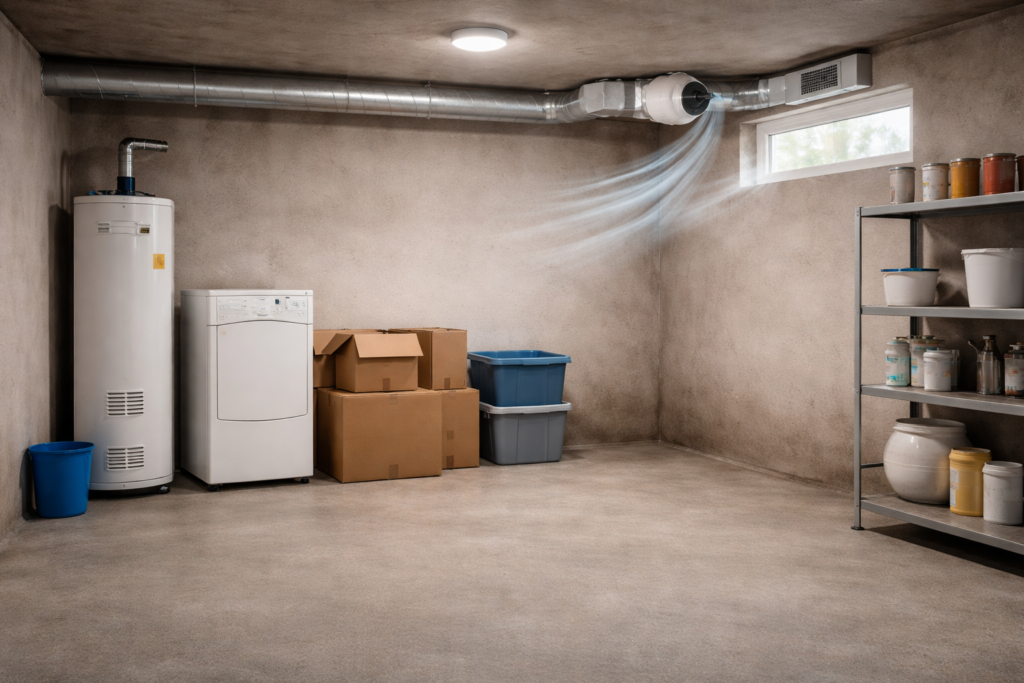
Increasing airflow helps prevent humid air from becoming trapped. Opening windows when conditions allow or using ventilation systems can improve air circulation.
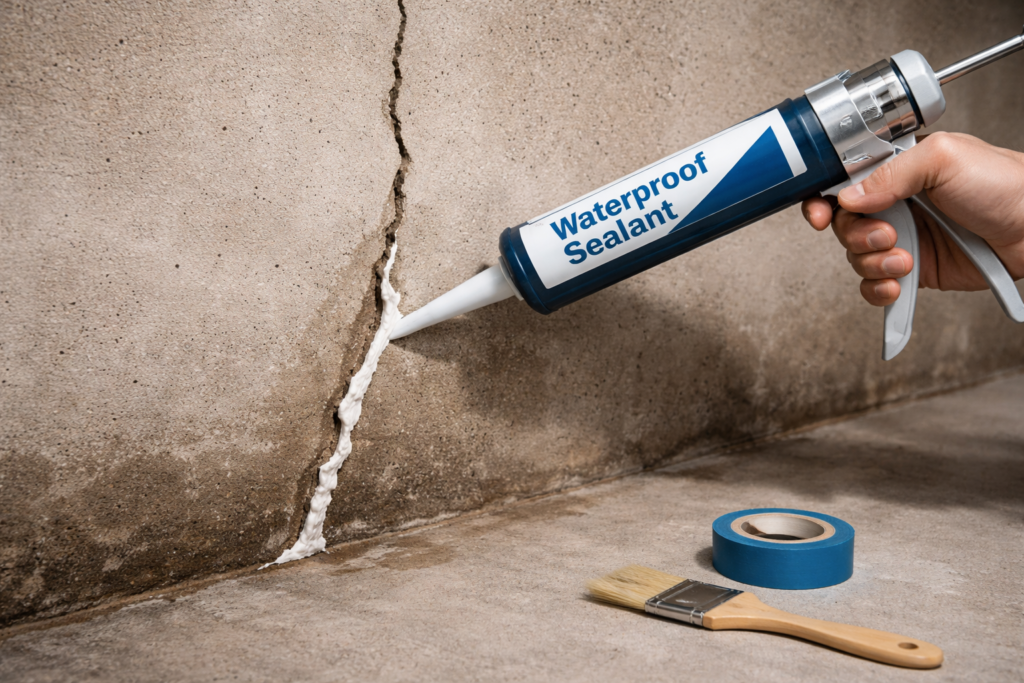
Seal Cracks and Entry Points
Sealing cracks in foundation walls helps prevent moisture from entering the basement. This reduces the amount of humidity that builds up over time.
Control Moisture Sources
Limiting moisture inside the home can help reduce the amount that settles in the basement. Using exhaust fans and managing humidity throughout the house supports overall moisture control.
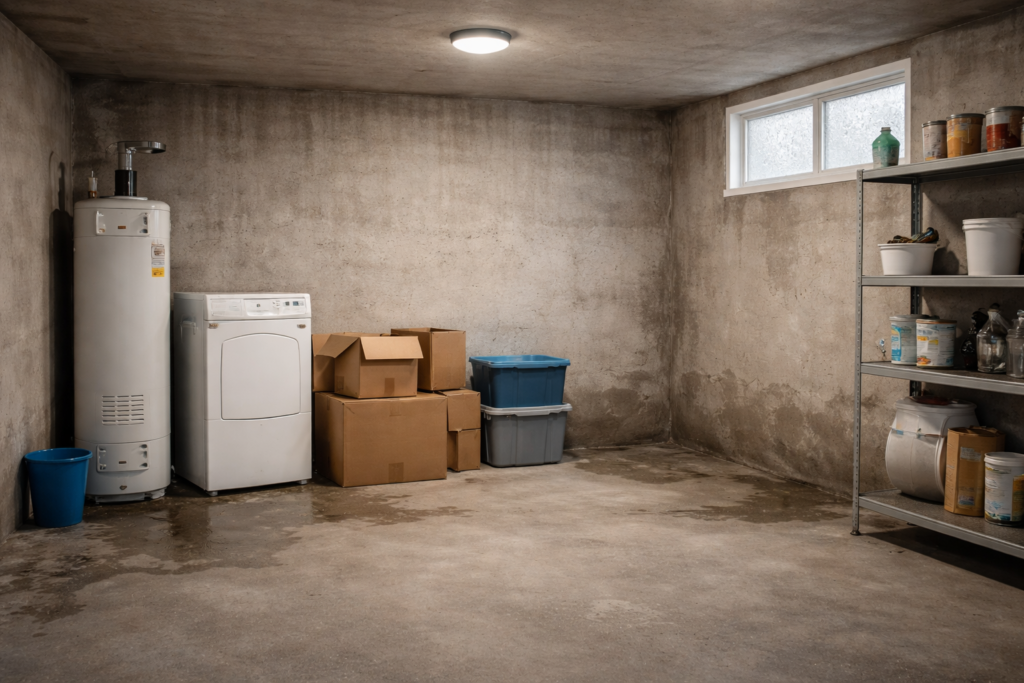
Signs Your Basement Has High Humidity
High humidity in a basement is not always immediately obvious, but there are several signs that can indicate moisture is building up over time. Recognizing these signs early can help prevent larger problems.
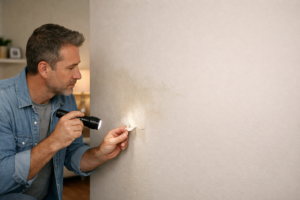
Musty Odors
A damp or musty smell is often one of the first indicators of high humidity. This occurs when moisture remains in the air and materials begin to absorb it.
Damp Surfaces
Walls, floors, or stored items may feel slightly damp to the touch when humidity levels are elevated.
Condensation
Water droplets forming on surfaces such as pipes, walls, or windows can indicate that moisture levels are too high. Condensation in a basement can also appear on windows. Learn how to fix condensation on windows to reduce moisture buildup.
Mold or Mildew Growth
Persistent humidity can create conditions where mold may develop on surfaces or in hidden areas.
Learn more: How to Prevent Mold Growth in a House
Conclusion
Reducing humidity in a basement is essential for maintaining a dry and healthy home. Because basements are more prone to moisture, even small improvements in airflow and moisture control can make a significant difference.
By using a dehumidifier, improving ventilation, sealing entry points, and managing moisture throughout the home, most basements can be kept at balanced humidity levels.
Basement humidity is often part of a larger issue. Learning how to prevent moisture problems in a house can help address the root cause.
The Bottom Line
Basement humidity is usually caused by a combination of moisture entry and limited airflow. Addressing both factors together helps create a drier, more comfortable space and reduces the risk of mold and moisture-related damage.
Frequently Asked Questions
What causes high humidity in a basement?
High humidity in a basement is usually caused by ground moisture, poor ventilation, indoor humidity settling in lower levels, and small foundation cracks or seepage points that let moisture in.
What is the best way to reduce humidity in a basement?
The best way to reduce humidity in a basement is to use a dehumidifier, improve airflow, seal moisture entry points, and control drainage and humidity throughout the home.
What humidity level should a basement be?
A basement should generally stay between 30% and 50% humidity. Keeping humidity in this range helps prevent condensation, musty odors, and mold growth.
Will a dehumidifier fix a damp basement?
A dehumidifier can help lower moisture in the air, but it may not solve the full problem if water is entering through cracks, poor drainage, or seepage. It works best as part of a larger moisture control plan.
Can basement humidity cause mold?
Yes. High basement humidity can create the damp conditions mold needs to grow, especially on stored items, walls, wood, and other surfaces.
Does opening basement windows reduce humidity?
Sometimes. Opening basement windows can help if the outdoor air is drier than the air inside. If outdoor humidity is high, opening windows may make the problem worse instead of better.