
How to Improve Ventilation in a House
Proper ventilation is essential for maintaining a healthy and comfortable home. Without good airflow, moisture, odors, and indoor pollutants can build up, leading to poor air quality and potential issues like mold growth.
Many homes naturally trap air, especially in areas like bathrooms, kitchens, and basements where moisture is produced. Without adequate ventilation, this trapped air can hold humidity and contaminants that affect both the home and the people living in it.
Improving ventilation in a house helps remove stale air and bring in fresh air from outside. This process reduces moisture buildup, improves indoor air quality, and creates a more comfortable living environment.
Understanding how airflow works and where ventilation is needed most can help homeowners make simple improvements that have a lasting impact on their home.
Home, Done Right – Perspective
Improving ventilation in a house is often about helping air move more effectively through the home. In many cases, simple steps like using exhaust fans, opening windows, and improving airflow between rooms can make a noticeable difference in indoor air quality and moisture control.
Why Ventilation Matters in a House
Ventilation plays an important role in maintaining healthy indoor air. Without proper airflow, air inside a home can become stale and hold moisture, odors, and indoor pollutants.
When air is not regularly exchanged, humidity can build up and create conditions where condensation and mold may develop. Everyday activities like cooking, showering, and laundry release moisture into the air, and without ventilation, that moisture can remain trapped inside the home.
Good ventilation helps remove this stale, humid air and replace it with fresh air from outside. This exchange improves indoor air quality and helps reduce moisture levels throughout the house. Improving airflow is one step in learning how to prevent moisture problems in a house.
Without good airflow, moisture can build up indoors. Learning how to reduce humidity in a house is one of the most effective ways to support proper ventilation.
In This Guide
Improving ventilation in a house helps remove stale air, reduce moisture, and improve overall indoor air quality. When airflow is properly managed, it can prevent humidity buildup and create a more comfortable living environment.
In this guide you will learn how to:
- Understand how airflow works inside a home
- Use both natural and mechanical ventilation effectively
- Improve ventilation in bathrooms, kitchens, and laundry areas
- Increase airflow throughout the entire house
- Reduce moisture and indoor pollutants through proper ventilation
- Recognize signs that your home needs better ventilation
These steps can help homeowners improve air circulation and maintain a healthier indoor environment.
How Airflow Works in a Home
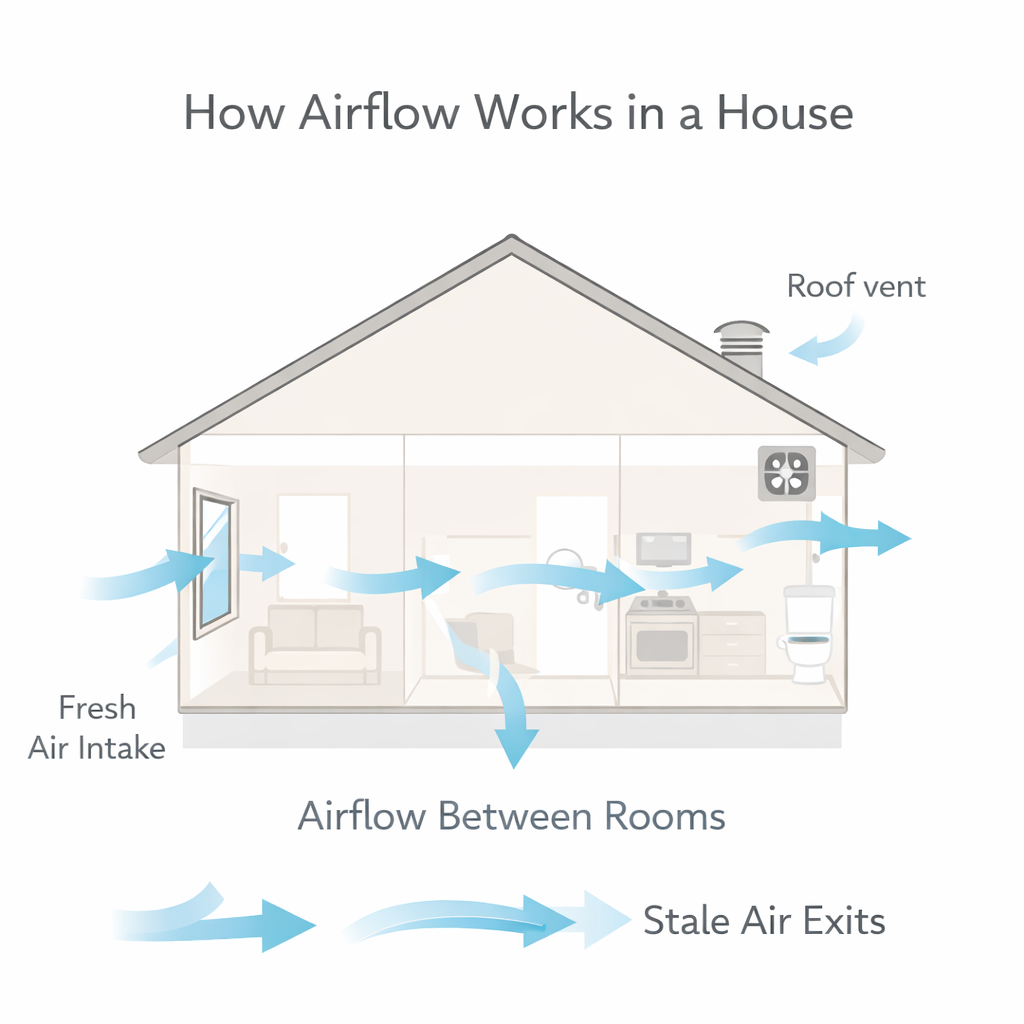
Air naturally moves through a home when there are pathways for it to enter and exit. Fresh air can come in through windows, doors, or intake vents, while stale air leaves through exhaust fans or ventilation systems.
When airflow is balanced, air moves continuously through the home instead of becoming trapped in certain areas.
Types of Ventilation in a Home
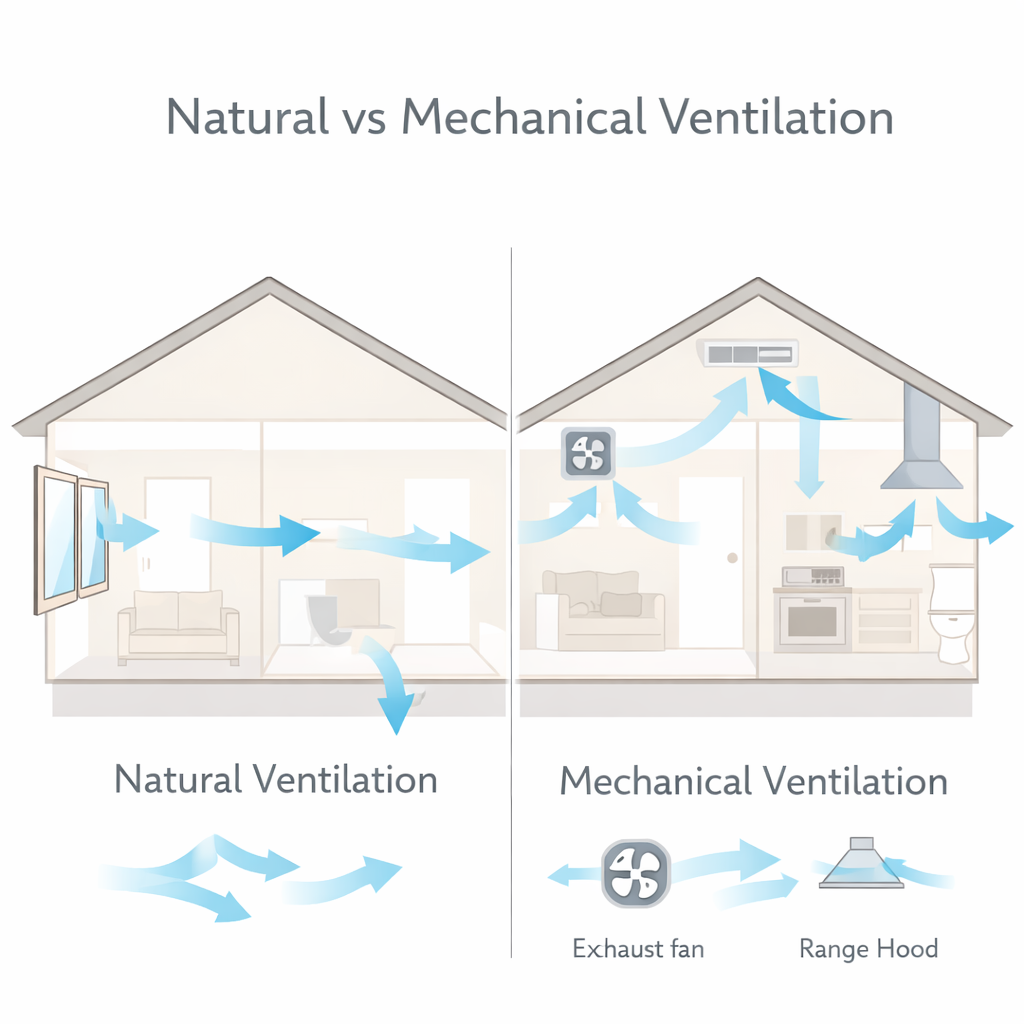
Homes typically rely on a combination of natural and mechanical ventilation to move air. Understanding how each type works can help homeowners improve airflow more effectively.
Natural Ventilation
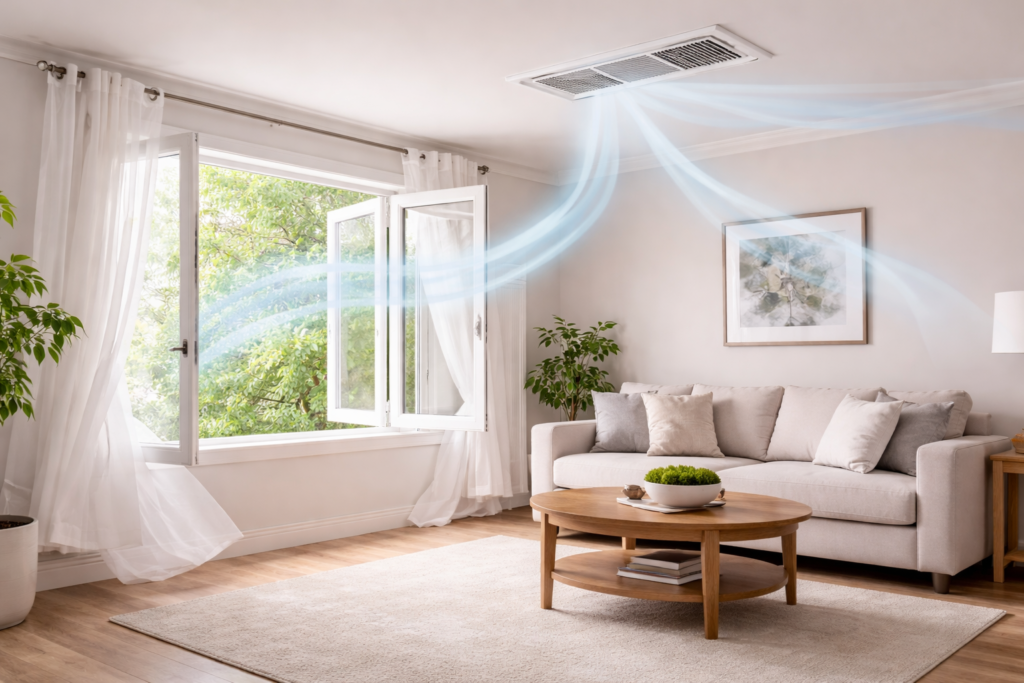
Natural ventilation occurs when fresh air enters the home through open windows, doors, or vents without the use of mechanical systems. This type of airflow depends on factors like wind, temperature differences, and how the home is designed.
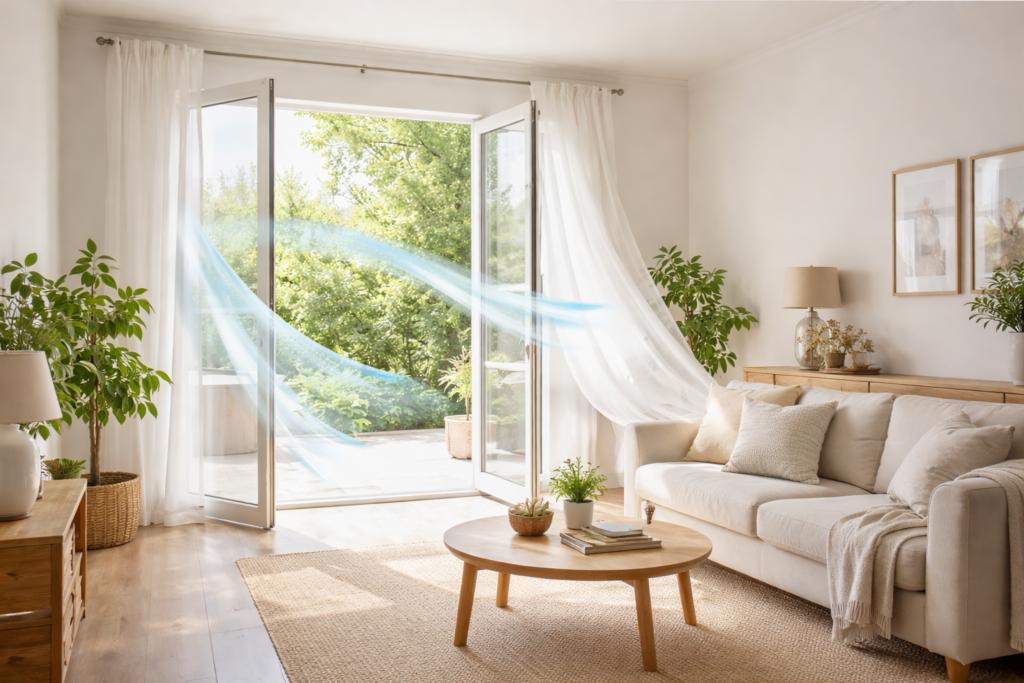
Opening windows on opposite sides of a house can create cross-ventilation, allowing air to flow through the space and carry out stale air.
Mechanical Ventilation
Mechanical ventilation uses systems like exhaust fans, range hoods, and HVAC systems to move air in and out of the home. These systems are especially useful in areas where natural airflow is limited.
Bathroom exhaust fans remove humid air from showers, while kitchen range hoods remove steam and cooking odors. HVAC systems help circulate air throughout the home.
Why Most Homes Need Both
Most homes benefit from using both natural and mechanical ventilation. Natural ventilation can improve airflow during favorable weather, while mechanical systems provide consistent ventilation regardless of outdoor conditions.
Improve Ventilation in High-Moisture Areas
Some areas of a home require more ventilation than others because they regularly produce moisture. Bathrooms, kitchens, and laundry areas are the most common spaces where humidity can build up quickly.
Improving ventilation in these areas helps remove moisture before it spreads through the rest of the home.
In many cases, the same steps used for preventing water damage in your home also improve airflow and reduce moisture buildup.
Bathrooms
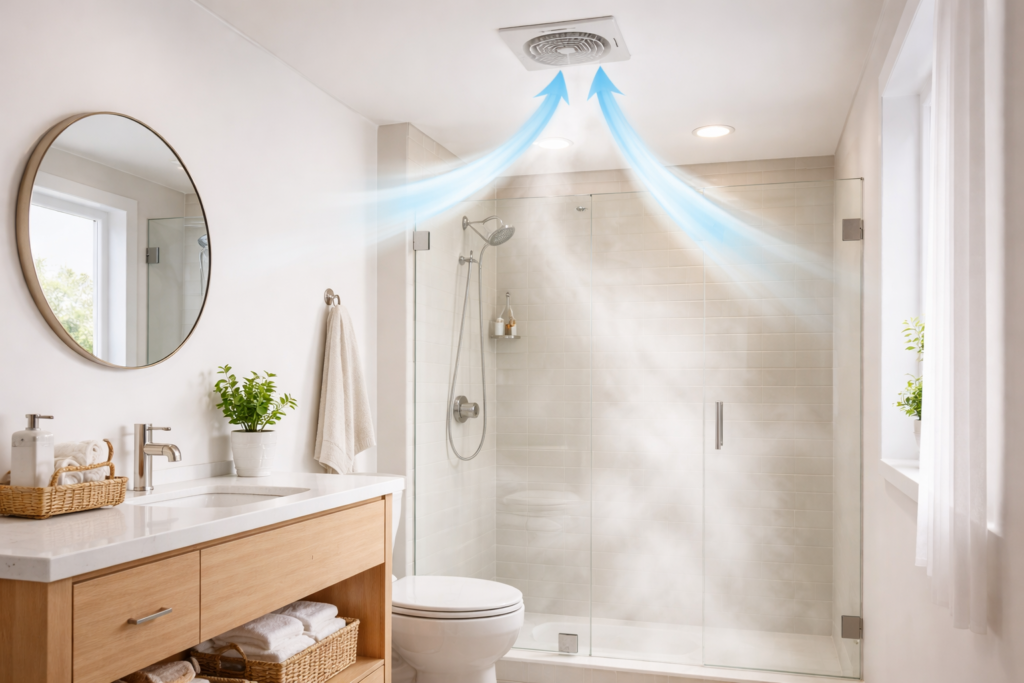
Bathrooms generate a large amount of steam from showers and baths. Without proper ventilation, this moisture can linger on walls, ceilings, and fixtures.
Using an exhaust fan during and after showers helps remove humid air and prevent condensation from forming.
Kitchens
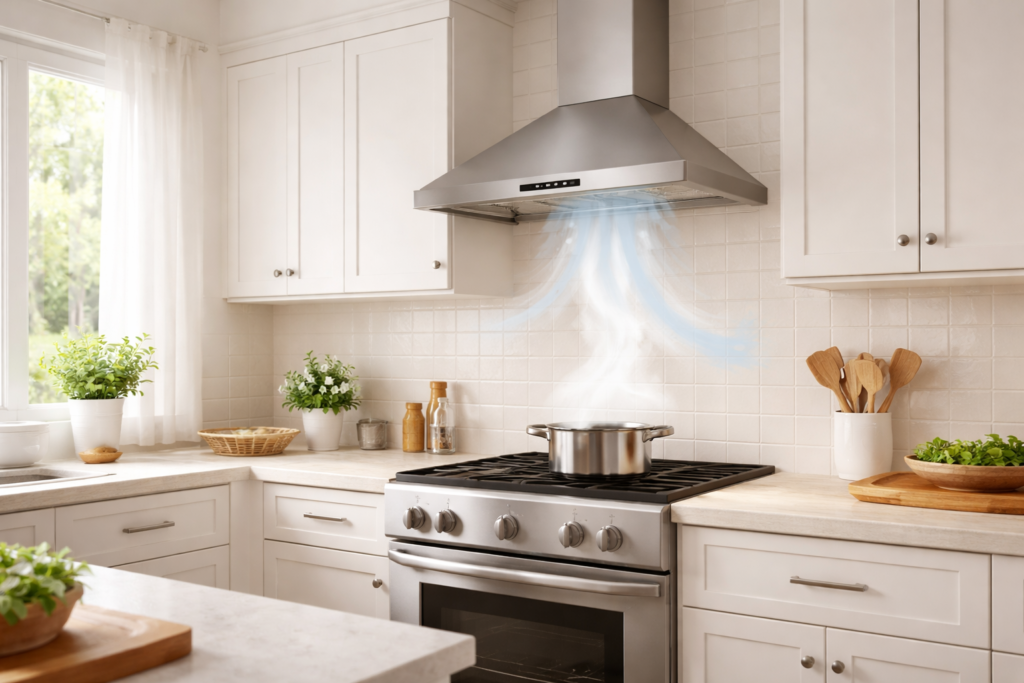
Cooking releases steam, heat, and odors into the air. Without ventilation, this moisture can spread to nearby rooms and increase indoor humidity levels.
Range hoods and kitchen exhaust fans help remove steam and keep air moving out of the home.
Laundry Areas
Washing machines and dryers can also add moisture to indoor air. Properly venting dryers to the outside and ensuring good airflow in laundry areas helps prevent humidity buildup.
Improve Whole-Home Airflow
In addition to ventilating specific rooms, improving airflow throughout the entire home helps prevent air from becoming trapped in certain areas. When air moves freely between rooms, moisture and pollutants are less likely to build up.
Homes with poor airflow often have areas where air feels stale or humid. Improving circulation can help balance indoor conditions and support overall ventilation.
Open Windows Strategically
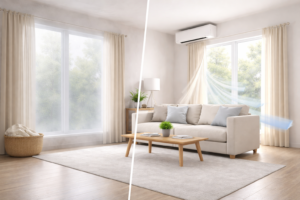
Opening windows at different points in the home can create cross-ventilation. When air enters through one window and exits through another, it creates a natural flow that helps remove stale air.
This approach is especially effective when windows are opened on opposite sides of the house.
Keep Interior Doors Open
Keeping interior doors open allows air to move more easily between rooms. This helps prevent pockets of stagnant air from forming in closed-off spaces.
Even partially opening doors can improve airflow and ventilation.
Use HVAC Systems to Circulate Air
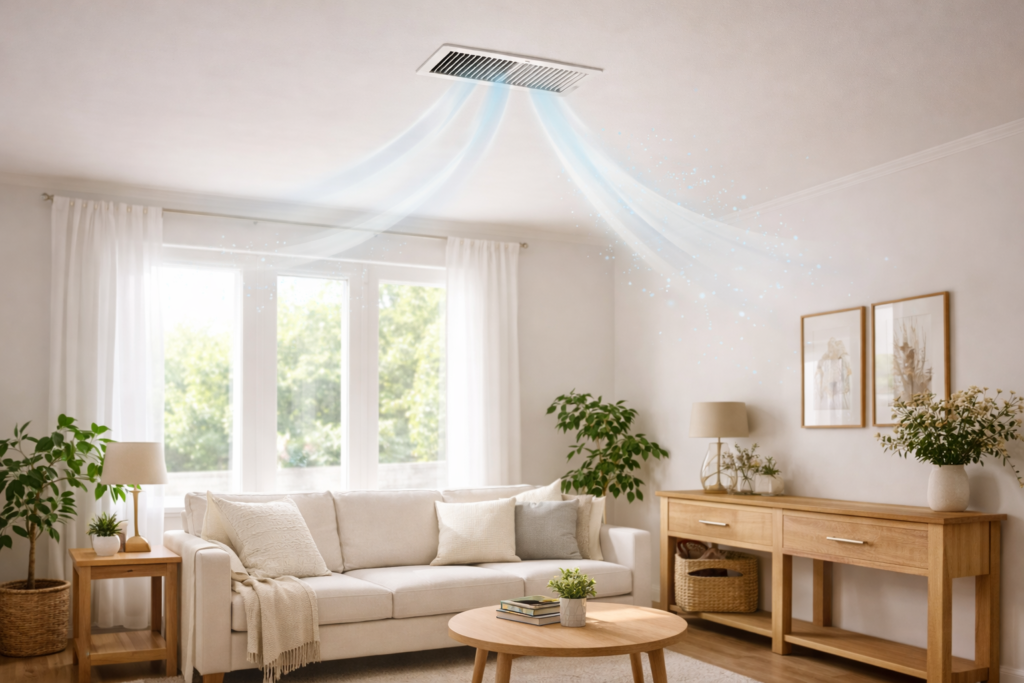
HVAC systems can help move air throughout the home, even when heating or cooling is not actively running. Using the fan setting can help circulate air and improve ventilation.
Avoid Blocking Vents and Air Pathways
Furniture, curtains, or other objects can block vents and restrict airflow. Keeping vents clear allows air to move freely and helps maintain consistent ventilation throughout the home.
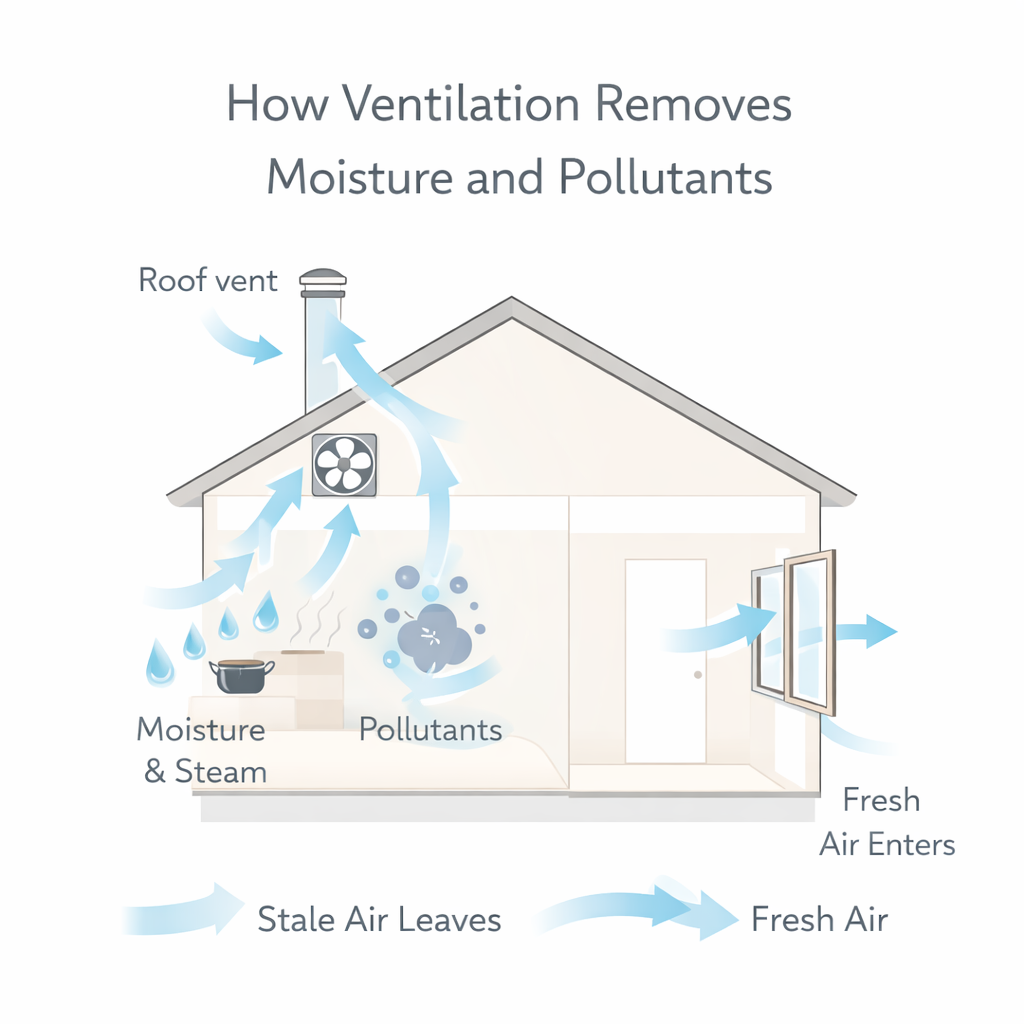
How Ventilation Helps Remove Moisture and Pollutants
Ventilation does more than just move air—it helps remove excess moisture and indoor pollutants that can affect both the home and indoor air quality. Without proper ventilation, these elements can build up and create unhealthy conditions.
Moisture from everyday activities like cooking, bathing, and laundry can remain in the air if it is not properly removed. Over time, this can lead to condensation and create an environment where mold may develop.
Improving ventilation also helps control moisture, which is important when trying to prevent mold growth in a house.
Ventilation also helps remove common indoor pollutants such as odors, cooking fumes, and airborne particles. By replacing stale indoor air with fresh outdoor air, ventilation improves the overall air quality inside the home.
Moisture Control
One of the main benefits of ventilation is reducing indoor humidity. By removing moist air before it settles on surfaces, ventilation helps prevent condensation and moisture-related problems.
Air Quality Improvement
Ventilation helps remove indoor air pollutants and replace them with fresh air. This can improve comfort and reduce the buildup of odors and airborne contaminants.
Preventing Mold and Damage
By controlling moisture and improving airflow, ventilation reduces the conditions that allow mold to grow. It also helps protect building materials from long-term moisture damage.
Signs Your Home Needs Better Ventilation
Many homes show early signs when ventilation is not adequate. Recognizing these signs can help homeowners take action before moisture, air quality, or comfort issues become more serious.
Condensation on Windows
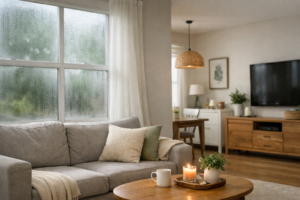
Frequent condensation on windows is a common sign of poor ventilation. When moist air cannot escape, it collects on cooler surfaces like glass and forms water droplets.
Musty Odors
A musty smell often indicates that air is not circulating properly. This can happen when moisture and stagnant air build up in enclosed areas like bathrooms, basements, or closets.
Stale or Stuffy Air
Air that feels heavy, stale, or lacking freshness can be a sign that airflow is limited. Without proper ventilation, indoor air is not replaced regularly with fresh air.
Excess Humidity
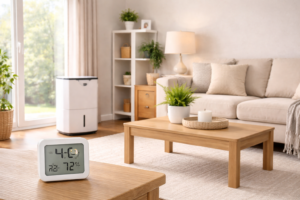
High humidity levels inside a home often point to poor ventilation. When moisture from everyday activities cannot escape, it raises indoor humidity and increases the risk of condensation and mold.
Conclusion
Improving ventilation in a house helps create a healthier and more comfortable indoor environment. When air moves properly through the home, it removes excess moisture, reduces indoor pollutants, and prevents stale air from building up.
Simple steps like using exhaust fans, opening windows, improving airflow between rooms, and maintaining ventilation systems can make a noticeable difference. These changes help control humidity and support better indoor air quality over time.
With consistent attention to airflow and ventilation, most homes can maintain a balanced indoor environment without moisture buildup or air quality issues.
Following an essential home maintenance checklist can help homeowners maintain proper ventilation and catch airflow or moisture issues early.
The Bottom Line
Improving ventilation in a house is about helping air move in and out effectively. By increasing airflow and removing moisture and pollutants, homeowners can create a fresher, healthier, and more comfortable living space.
Frequently Asked Questions
What is the best way to improve ventilation in a house?
The best way to improve ventilation in a house is to combine natural and mechanical methods. Opening windows, using exhaust fans, and improving airflow between rooms can help move stale air out and bring fresh air in.
Does opening windows improve ventilation?
Yes. Opening windows allows fresh air to enter and stale air to leave the home. Creating cross-ventilation by opening windows on opposite sides of the house can improve airflow even more.
How do you ventilate a house without windows?
Homes without windows in certain areas can rely on mechanical ventilation such as exhaust fans, HVAC systems, and air circulation to move air and remove moisture.
Do exhaust fans really improve ventilation?
Yes. Exhaust fans are one of the most effective ways to remove moisture and stale air from bathrooms, kitchens, and laundry areas.
Can poor ventilation cause mold?
Yes. Poor ventilation can trap moisture inside a home, which can lead to condensation and create conditions where mold can grow.
How often should you ventilate your home?
Homes should be ventilated regularly, especially during activities that produce moisture like cooking or showering. Even short periods of airflow each day can help improve indoor air quality.