
How to Prevent Water Damage in Your Home
Water damage is one of the most common and costly problems homeowners face. Even small leaks or drainage issues can gradually damage building materials, weaken structural components, and lead to expensive repairs if they go unnoticed.
Many sources of water damage are preventable with routine maintenance and awareness. Issues such as clogged gutters, plumbing leaks, poor drainage around the foundation, or roof damage often begin as minor problems that develop slowly over time.
Because water can travel through walls, ceilings, and floors, damage may not always appear where the problem started. By understanding the common causes of water damage and checking a few key areas of the home regularly, homeowners can often prevent many of the issues that lead to costly repairs.
In this guide, we’ll explore several practical ways homeowners can reduce the risk of water damage and protect their homes from moisture-related problems.
Home, Done Right – Perspective
Water damage rarely happens all at once. In many homes, moisture problems develop slowly as small leaks, drainage issues, or worn components allow water to enter areas where it shouldn’t.
The challenge for homeowners is that these issues often remain hidden until damage becomes noticeable. Understanding where water problems typically begin can help homeowners catch small issues early and prevent more serious repairs.
Routine inspections and simple maintenance habits are often enough to prevent many of the most common sources of water damage in a home.
How Water Damage Happens in a Home
Water damage can develop in many different ways, but it usually begins when water enters areas of the home where it is not intended to go. Because homes are designed to keep water outside or safely direct it through plumbing systems, problems often occur when those protective systems stop working properly.
In many cases, water damage begins with small issues such as a loose roof shingle, a slow plumbing leak, or a clogged gutter that allows rainwater to overflow. These problems may not seem serious at first, but over time they can allow moisture to reach building materials like drywall, wood framing, insulation, and flooring.
Once moisture enters these materials, it can gradually weaken structural components and create conditions where mold or mildew may develop. Because water can travel through walls, ceilings, and floor cavities, the visible damage is not always located where the problem originally started.
Many water issues are connected to overall moisture control. Learning how to prevent moisture problems in a house can help reduce long-term damage.
Water damage can also occur from inside the home. Leaking appliances, faulty plumbing connections, or excessive indoor humidity can allow moisture to accumulate in areas that are not easily visible.
Understanding how water damage typically begins helps homeowners identify the areas of their home that deserve regular attention and maintenance. By recognizing common sources of water intrusion early, many problems can be prevented before they cause significant damage.
In This Guide
Water damage can originate from many different sources inside and outside the home. In this guide, we’ll explore the most common causes of water damage and the practical steps homeowners can take to prevent these problems before they lead to costly repairs.
You’ll learn how water damage typically begins and how to reduce risk by monitoring key areas of the home, including:
- roofing and gutter systems
- plumbing fixtures and water supply lines
- drainage around the foundation
- basement moisture conditions
- household appliances with water connections
- indoor humidity and condensation
By understanding where water problems commonly occur, homeowners can identify early warning signs and take simple preventative steps to protect their homes from moisture-related damage.
Common Causes of Water Damage in Homes
Water damage can originate from several different parts of a home. In many cases, the problem begins with a small failure in a system that normally keeps water controlled, such as roofing, plumbing, or exterior drainage.
Because water often follows the path of least resistance, even minor issues can allow moisture to reach areas that are not designed to handle prolonged exposure. Over time, repeated exposure to moisture can damage building materials and lead to more serious structural or mold-related problems.
Some of the most common sources of water damage occur in areas that homeowners may not inspect regularly. Roof surfaces, gutters, plumbing connections, appliances, and foundation drainage systems can all contribute to moisture problems when they are not functioning properly.
The following sections highlight several of the most common causes of water damage and explain how homeowners can reduce the risk of these problems developing over time.
Common Causes of Water Damage at a Glance
|
Source of Water Damage |
Where It Happens |
What To Check |
|---|---|---|
|
Roof Leaks |
Attic/Ceilings |
Shingles/Flashing |
|
Clogged Gutters |
Exterior Walls |
Leaves/Debris |
|
Plumbing Leaks |
Under Sinks |
Supply Lines |
|
Poor Drainage |
Foundation |
Downspouts, grading |
|
Appliance Leaks |
Laundry/Kitchen |
Hoses |
|
Condensation |
Windows/Walls |
Humidity Levels |
Roof and Gutter Problems
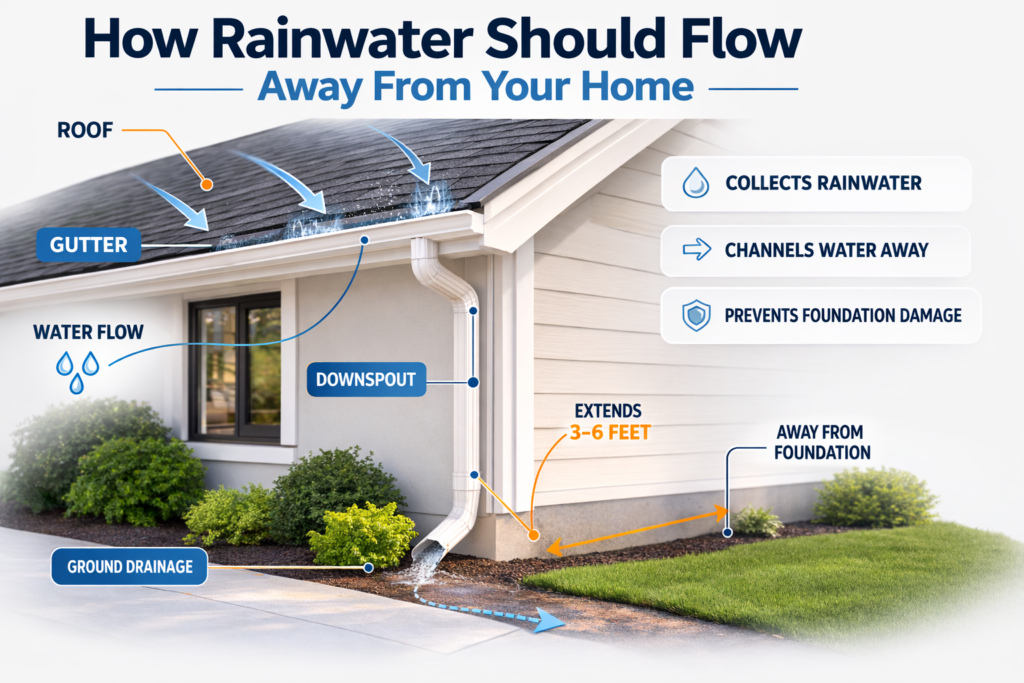
The roof and gutter system are the first line of defense against rainwater entering a home. When these components are working properly, they collect rainwater from the roof and direct it safely away from the structure through gutters and downspouts.
Problems often begin when roofing materials become damaged or gutters are unable to move water efficiently. Missing or damaged shingles, deteriorated flashing around roof penetrations, or clogged gutters can allow water to collect or flow in unintended directions.
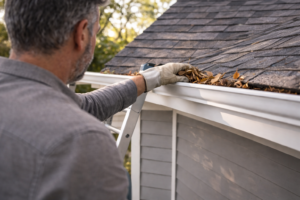
When gutters become filled with leaves or debris, rainwater may overflow and run down exterior walls or pool near the foundation. Over time, this repeated exposure can allow moisture to enter siding, wall cavities, or basement areas.
Routine inspections of the roof and regular cleaning of gutters are some of the simplest ways homeowners can reduce the risk of water damage. After heavy storms or seasonal changes, it can also be helpful to check that gutters and downspouts are still directing water safely away from the house.
Many of these inspections are included in a Seasonal Home Maintenance Checklist, which helps homeowners review gutters, roofing, and drainage throughout the year.
Plumbing Leaks
Plumbing systems carry water throughout the home, which means even small leaks can eventually lead to significant damage if they go unnoticed. Leaks often develop slowly at pipe connections, supply lines, or around fixtures such as sinks, toilets, and showers.
Because much of the plumbing system is hidden behind walls or beneath floors, early signs of a leak can be subtle. Homeowners may notice small water stains, damp areas under sinks, or unexplained increases in water bills. Over time, however, these small leaks can allow moisture to accumulate in wall cavities, cabinets, and subfloor materials.
Flexible supply lines connected to appliances and fixtures are a particularly common source of leaks. Washing machines, dishwashers, refrigerators with water lines, and water heaters all rely on connections that can wear out or loosen over time.
Regularly checking visible plumbing connections and keeping an eye out for small signs of moisture can help homeowners catch plumbing leaks before they develop into larger water damage problems.
Poor Drainage Around the Foundation
Water that collects around the base of a home can eventually find its way into basements, crawl spaces, or the lower portions of exterior walls. Proper drainage around the foundation is essential for directing rainwater away from the structure and preventing moisture from building up near the home.
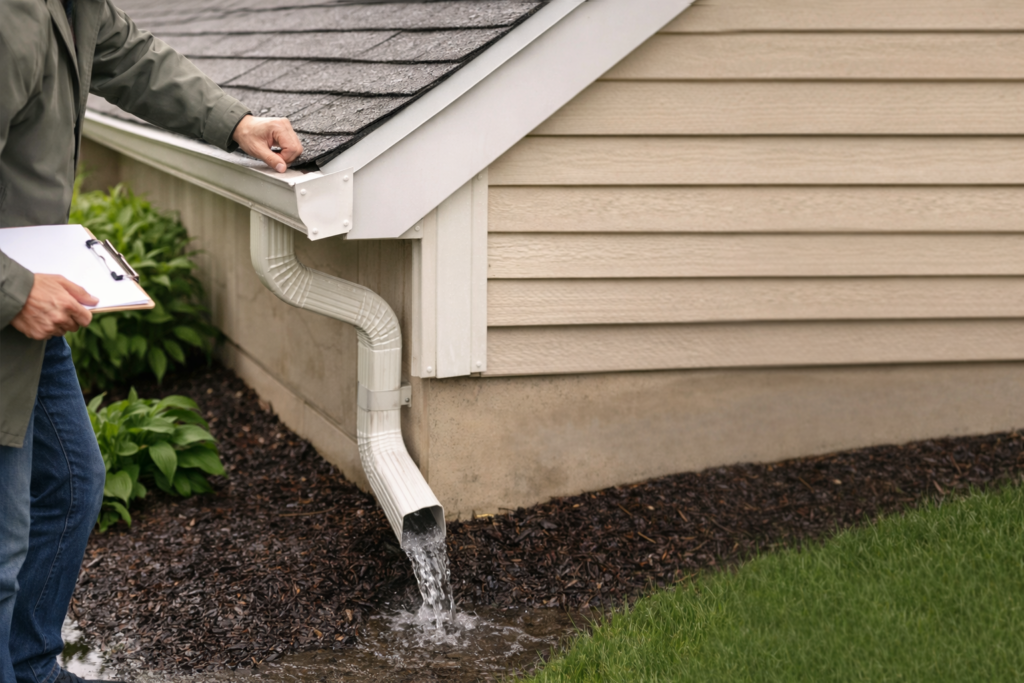
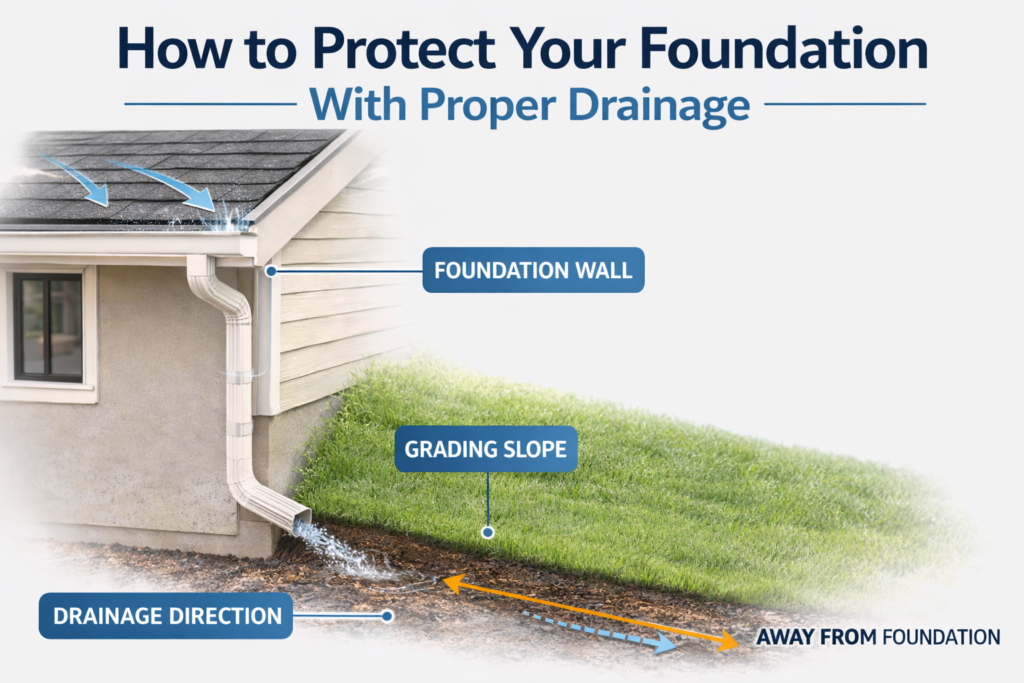
Drainage problems often occur when gutters discharge water too close to the house, when downspout extensions are missing, or when the soil around the home no longer slopes away from the foundation. Over time, landscaping changes, soil settlement, or erosion can alter the way water flows across the property.
When rainwater repeatedly accumulates near the foundation, it can increase moisture levels in surrounding soil and place additional pressure on foundation walls. This can eventually lead to issues such as basement dampness, water intrusion, or small foundation cracks.
Homeowners can reduce the risk of drainage problems by ensuring gutters remain clear, downspouts extend several feet away from the home, and the ground surrounding the foundation slopes slightly away from the structure. Regularly observing how water flows around the property after heavy rain can also help identify areas where drainage improvements may be needed.
Basement Moisture Problems
Basements are naturally more vulnerable to moisture issues because they sit below ground level where surrounding soil can retain water. Even when a basement is properly constructed, changes in drainage, soil conditions, or waterproofing materials over time can allow moisture to enter the space.
Moisture problems in basements may appear as damp walls, musty odors, condensation on surfaces, or small amounts of water collecting after heavy rain. In some cases, the source may be exterior drainage issues, while in others it may be related to humidity, cracks in foundation walls, or aging waterproofing materials.
Because basements often contain structural components, storage items, and mechanical equipment, prolonged exposure to moisture can lead to damage over time. High humidity levels can also create conditions where mold or mildew may develop.
Monitoring basement conditions regularly can help homeowners identify potential problems early. Checking for damp spots, improving ventilation, and addressing drainage concerns around the home can significantly reduce the risk of basement moisture issues.
Appliance Leaks
Many household appliances rely on water connections to function, which means they can also become a source of water damage if a leak develops. Washing machines, dishwashers, refrigerators with water lines, and water heaters are among the most common appliances that can cause moisture problems when connections wear out or components fail.
Flexible supply hoses and fittings are particularly vulnerable because they experience constant pressure and movement over time. A small crack in a hose or a loose connection can allow water to escape slowly, sometimes without being noticed right away. In other situations, a hose or valve may fail suddenly and release a significant amount of water in a short period of time.
Because appliances are often located in kitchens, laundry rooms, or utility spaces, water from a leak can spread quickly across floors and into nearby cabinets or wall cavities. Over time, this moisture can damage flooring materials and structural components.
Homeowners can reduce the risk of appliance-related leaks by periodically checking water supply hoses and connections, ensuring appliances are properly installed, and replacing aging hoses before they fail.
Condensation and Humidity
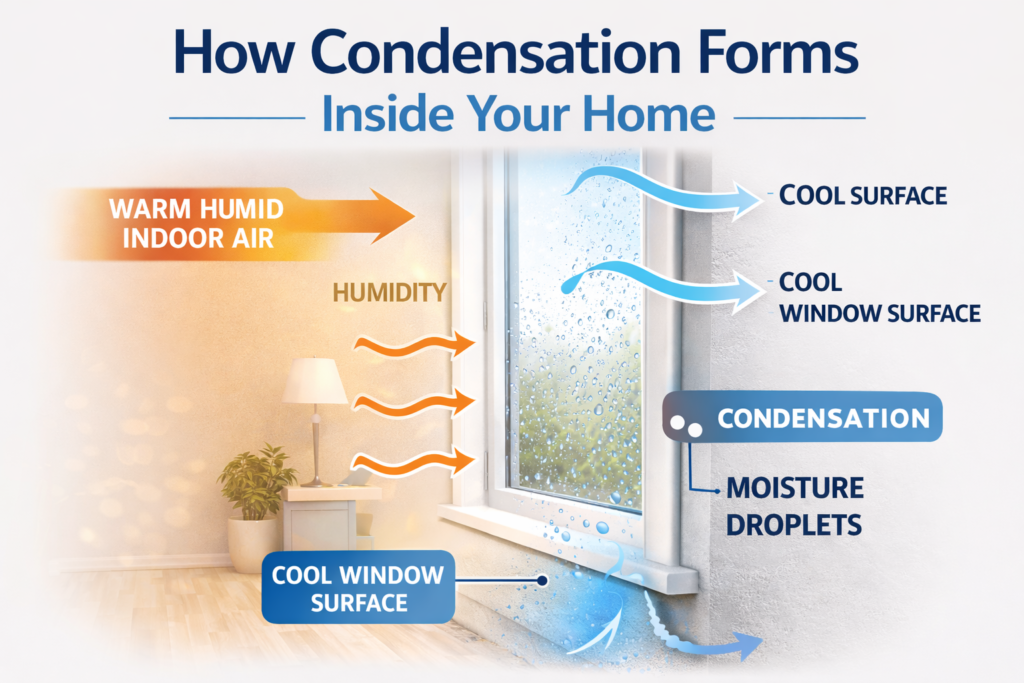
Not all water damage comes from leaks or drainage problems. In many homes, excess indoor humidity can allow moisture to build up gradually through condensation.
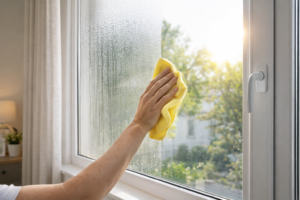
Condensation forms when warm, humid air comes into contact with cooler surfaces such as windows, pipes, exterior walls, or basement floors. When this happens repeatedly, moisture can accumulate on these surfaces and slowly affect surrounding materials.
Common household activities such as cooking, showering, and drying clothes can introduce large amounts of moisture into indoor air. Without proper ventilation or humidity control, this moisture may remain trapped inside the home and contribute to damp conditions.
Over time, persistent condensation can lead to peeling paint, warped materials, or mold growth in areas that remain consistently damp. Bathrooms, kitchens, basements, and poorly ventilated attic spaces are particularly susceptible to humidity-related moisture problems.
Managing indoor humidity through proper ventilation, exhaust fans, and humidity control equipment can help reduce condensation and prevent moisture from accumulating inside the home.
Simple Ways to Prevent Water Damage
While water damage can originate from many different sources, most problems can be prevented through routine maintenance and regular observation of key areas around the home. Small preventative steps often make a significant difference because they address potential issues before water has the opportunity to enter the structure.
Homeowners do not need to inspect every part of the home constantly, but developing a few simple habits can greatly reduce the risk of moisture-related damage. Paying attention to drainage, plumbing connections, and ventilation can help keep water moving where it should and prevent it from accumulating where it shouldn’t.
The following preventative practices can help homeowners reduce the likelihood of water damage and protect their homes from common moisture problems. Many homeowners find it easier to stay on top of these tasks by following a structured routine such as an Essential Home Maintenance Checklist.
Maintain Roofs and Gutters
Keeping the roof and gutter system in good condition is one of the most effective ways to prevent water damage. Gutters should be cleared of leaves and debris regularly so that rainwater can flow freely toward downspouts.
Roof surfaces should also be inspected periodically for missing shingles, damaged flashing, or other signs of wear that could allow water to enter the home. Addressing these small issues early can prevent larger roof leaks from developing.
Monitor Plumbing Connections
Plumbing fixtures and supply lines should be checked occasionally for signs of wear or moisture. Areas under sinks, behind toilets, and near water heaters are common places where small leaks may develop.
Replacing aging supply hoses and tightening loose connections can prevent leaks before they cause damage. Even quick visual checks of plumbing areas can help homeowners catch small problems early.
Improve Drainage Around the Home
Ensuring that water flows away from the home’s foundation is essential for preventing moisture problems. Downspouts should extend several feet away from the house, and the surrounding soil should slope slightly away from the foundation.
Homeowners may also want to observe how water flows across their property after heavy rain. If water collects near the home, adjustments to grading or drainage systems may help reduce the risk of future problems.
Control Indoor Humidity
Managing indoor humidity helps prevent condensation from forming on walls, windows, and other surfaces. Bathrooms, kitchens, and laundry areas should be properly ventilated to allow moist air to escape.
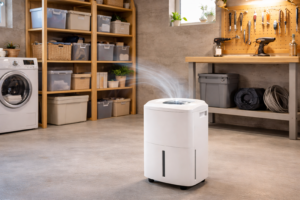
In some homes, especially those with basements, dehumidifiers can help maintain healthy indoor humidity levels and reduce the risk of moisture accumulation.
Controlling moisture is also one of the best ways to prevent mold growth in a house, especially in areas like basements and bathrooms.
Warning Signs of Water Damage
Water damage does not always appear immediately after a leak or drainage problem begins. In many cases, moisture can remain hidden inside walls, ceilings, or flooring materials for long periods of time before visible signs begin to appear.
Because water often travels through building materials before becoming noticeable, homeowners may first see damage in areas that are not directly connected to the original source. Recognizing early warning signs can help prevent small moisture issues from developing into larger and more expensive repairs.
Performing a yearly inspection of key areas around the home can help identify many of these issues early. Our guide on What Every Homeowner Should Inspect Annually outlines the most important areas to review.
The following signs may indicate that water damage is developing somewhere in the home.
Water Stains on Walls or Ceilings
Discoloration or staining on ceilings and walls is one of the most recognizable signs of water damage. These stains often appear as yellow, brown, or slightly darker patches and may gradually expand as moisture continues to spread through building materials.
Water stains can be caused by roof leaks, plumbing leaks, or condensation problems inside wall cavities. Even if the stain appears dry, it may indicate that water has entered the structure at some point and should be investigated.
Musty Odors or Persistent Dampness
A musty smell inside a home often indicates that moisture has accumulated in an area with limited airflow. Basements, crawl spaces, and poorly ventilated rooms are common places where these odors may develop.
Persistent dampness can allow mold or mildew to grow on surfaces such as drywall, insulation, and wood framing. Even if visible mold is not present, musty odors often signal that moisture levels are higher than they should be.
Peeling Paint or Warped Materials
When building materials absorb moisture, they often begin to change shape or lose adhesion. Paint may begin to bubble or peel, wallpaper may loosen from walls, and wooden materials such as baseboards or flooring may begin to warp or swell.
These changes can occur gradually and may indicate that moisture has been affecting the area for an extended period of time.
Unexpected Increases in Water Bills
In some cases, water damage may be linked to plumbing leaks that are not immediately visible. A sudden or unexplained increase in water usage can sometimes indicate that water is escaping somewhere within the plumbing system.
Monitoring water bills and paying attention to unusual increases can help homeowners detect hidden plumbing leaks before they cause more extensive damage.
Simple Maintenance Habits That Help Prevent Water Damage
Preventing water damage does not require constant inspections or specialized tools. In most cases, a few simple maintenance habits can significantly reduce the likelihood of moisture problems developing inside the home.
Many of the most common sources of water damage—such as clogged gutters, small plumbing leaks, or poor drainage—develop gradually over time. By paying attention to key areas of the home and addressing small issues early, homeowners can often avoid the larger repairs that occur when moisture problems go unnoticed.
Establishing a routine for checking important areas of the home can make prevention much easier. Seasonal maintenance tasks, occasional inspections, and awareness of early warning signs all play a role in protecting the home from water damage.
Homeowners who follow a consistent maintenance routine often catch potential issues before they become serious. Simple actions such as cleaning gutters, monitoring plumbing connections, controlling indoor humidity, and checking drainage around the foundation can go a long way toward keeping moisture problems under control. Many water-related issues develop because small maintenance tasks are overlooked. Understanding these Common Home Maintenance Mistakes can help homeowners avoid many preventable problems.
Developing these habits helps ensure that water continues to move safely away from the home and prevents it from accumulating in areas where it can cause damage.
Protecting Your Home From Water Damage
Water damage can develop slowly, often beginning with small problems that are easy to overlook. Leaking plumbing connections, clogged gutters, poor drainage, or excess indoor humidity can all allow moisture to accumulate where it shouldn’t.
By understanding the most common sources of water damage and paying attention to early warning signs, homeowners can take simple steps to protect their homes. Regular maintenance and routine inspections make it much easier to identify potential issues before they lead to more extensive repairs.
Even small preventative actions—such as maintaining gutters, checking plumbing connections, or managing indoor humidity—can significantly reduce the risk of water damage over time. When homeowners stay aware of how water moves through and around their home, they are better equipped to keep their property safe and well maintained.
The Bottom Line
Water damage is one of the most common problems homeowners encounter, but many of its causes are preventable. Most moisture issues begin as small problems that gradually worsen when they go unnoticed or unaddressed.
By maintaining roofs and gutters, monitoring plumbing systems, improving drainage around the foundation, and controlling indoor humidity, homeowners can greatly reduce the risk of water damage in their homes.
A little routine maintenance and awareness of potential problem areas can go a long way toward protecting a home from costly moisture-related repairs.