
Common Home Maintenance Mistakes Homeowners Make (and How to Avoid Them)
Owning a home comes with a long list of responsibilities, and most homeowners eventually learn that small maintenance issues can turn into expensive repairs if they go unnoticed. While many problems develop gradually, they are often the result of simple maintenance tasks being overlooked or delayed.
In many cases, these mistakes aren’t caused by neglect—they happen because homeowners simply aren’t aware of what needs attention or how frequently certain parts of a home should be checked. Heating systems, plumbing fixtures, roofs, and drainage systems all require occasional inspection and maintenance to keep everything working properly.
The good news is that most common home maintenance mistakes are easy to prevent once you know what to look for. A little awareness and routine upkeep can help homeowners avoid many of the problems that lead to unexpected repair costs.
In this guide, we’ll walk through several common maintenance mistakes homeowners make, explain why they happen, and show how simple habits can help prevent them.
Home, Done Right – Perspective
Most homeowners don’t intentionally neglect maintenance. In many cases, problems occur because the warning signs are subtle or the task simply slips off the radar.
Understanding the most common maintenance mistakes can help homeowners catch small issues earlier and build simple routines that protect their home over time.
What Counts as a Home Maintenance Mistake?
A home maintenance mistake doesn’t necessarily mean doing something wrong. In many cases, it simply means overlooking small tasks or delaying routine inspections that help prevent larger problems.
Homes rely on many interconnected systems—such as plumbing, heating and cooling, roofing, and drainage—that gradually experience wear over time. Without occasional maintenance or inspection, minor issues can develop into more serious problems that require costly repairs.
Many common maintenance mistakes happen because homeowners don’t always know what to look for or how often certain parts of the home should be checked. Tasks like clearing gutters, replacing HVAC filters, monitoring small leaks, or checking attic ventilation can easily slip off the radar.
Understanding what qualifies as a maintenance mistake helps homeowners recognize potential problems earlier and build simple routines that keep their homes running smoothly.
In This Guide
This guide highlights several common home maintenance mistakes that many homeowners overlook. While these issues often start small, they can lead to expensive repairs when they go unnoticed for too long.
You’ll learn how to recognize and avoid common maintenance mistakes involving:
- routine home maintenance tasks
- seasonal maintenance planning
- plumbing leaks and moisture issues
- electrical safety concerns
- attic ventilation and airflow
- drainage and foundation protection
- aging equipment and system inspections
Understanding these common mistakes can help homeowners prevent many of the problems that lead to costly repairs.
Common Home Maintenance Mistakes
Most home maintenance mistakes don’t happen because homeowners are careless. In many cases, they occur simply because certain tasks are easy to overlook or their importance isn’t obvious until a problem develops.
Small maintenance issues often build slowly over time. A clogged gutter, a minor plumbing leak, or a neglected HVAC filter may not seem urgent at first, but these small problems can eventually lead to more serious damage if they aren’t addressed.
By understanding some of the most common maintenance mistakes homeowners make, it becomes much easier to develop simple habits that keep a home running smoothly and help prevent costly repairs.
Common Maintenance Mistakes at a Glance
| Maintenance Mistake | Why It Happens | Potential Consequences |
|---|---|---|
| Ignoring routine maintenance | Tasks are easy to forget | System wear and inefficiency |
| Skipping seasonal maintenance | Weather preparation overlooked | Damage from freezing or storms |
| Waiting too long to inspect systems | Problems are not visible | Expensive repairs |
| Ignoring small leaks | Issues seem minor | Water damage and mold |
| Overloading electrical circuits | Too many devices | Electrical hazards |
| Poor drainage around foundation | Gutters or grading problems | Structural damage |
| Neglecting attic ventilation | Attic rarely inspected | Heat and moisture buildup |
| Delaying equipment replacement | Trying to extend lifespan | Sudden system failure |
Why Maintenance Mistakes Matter
Small maintenance tasks often prevent larger repair problems. Staying consistent with routine checks and seasonal maintenance helps protect home systems and avoid expensive damage.
Ignoring Routine Maintenance Tasks
One of the most common home maintenance mistakes is simply letting routine tasks slip by. Homes require a variety of small maintenance activities throughout the year, and when these tasks are delayed or forgotten, minor issues can gradually turn into larger problems.
For example, failing to replace HVAC air filters can reduce system efficiency and strain heating and cooling equipment. Neglecting to clean gutters can allow water to overflow and damage siding or foundations. Even small issues like worn weatherstripping or loose caulking can lead to moisture problems if they go unnoticed.
Because these tasks are typically quick and inexpensive, they are easy to postpone—but routine maintenance is one of the most effective ways to prevent larger repair costs later.
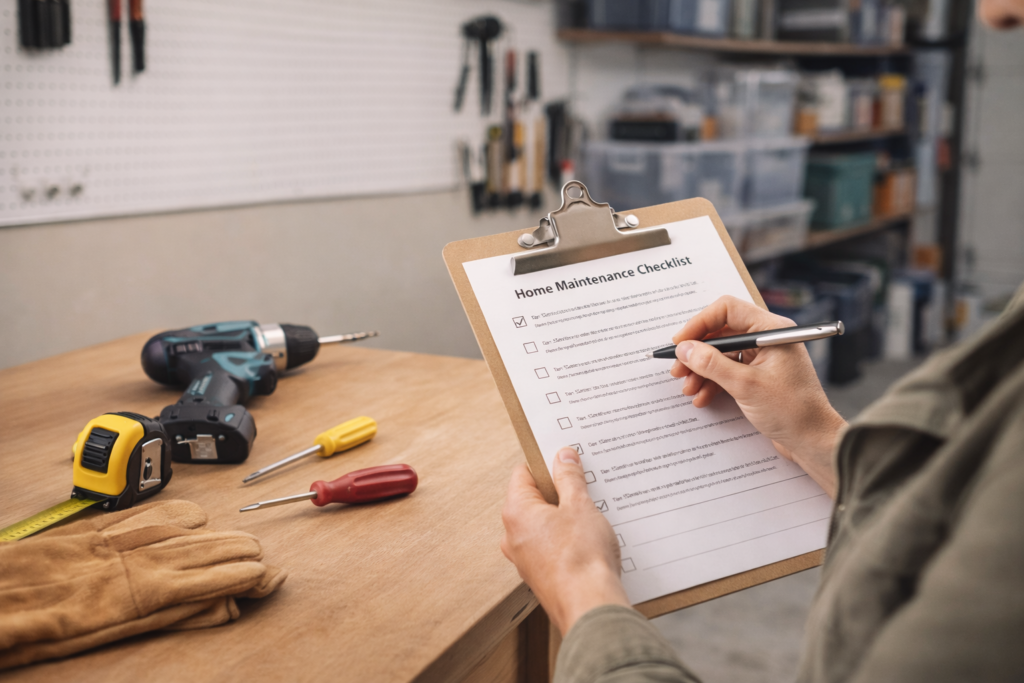
Homeowners who follow a structured maintenance plan often find it much easier to stay on top of these tasks. Our Essential Home Maintenance Checklist outlines many of the routine maintenance items that help keep a home in good condition throughout the year.
Skipping Seasonal Maintenance
Many parts of a home experience different stresses depending on the season. Temperature changes, heavy rain, snow, and humidity can all affect roofing materials, plumbing components, heating systems, and exterior structures. When seasonal maintenance is skipped, small issues related to weather and climate often go unnoticed.
For example, gutters that aren’t cleared before heavy rain can overflow and cause drainage problems. Outdoor faucets that aren’t winterized may freeze and crack. Air conditioning systems that haven’t been checked before summer may struggle to keep up during periods of high heat.
Seasonal maintenance helps homeowners prepare their homes for these changes before problems occur. Simple tasks performed at the right time of year can prevent damage and help major systems operate more efficiently.
Following a seasonal maintenance schedule can make these tasks much easier to manage. Our Seasonal Home Maintenance Checklist provides a practical guide to the maintenance tasks homeowners should review as the seasons change.
Waiting Too Long to Inspect Key Systems
Another common maintenance mistake is waiting until something breaks before inspecting important parts of the home. Many systems—such as roofing, plumbing, heating equipment, and electrical components—often show subtle warning signs before a major problem develops.
Small roof damage, slow plumbing leaks, or early signs of HVAC wear may not cause immediate issues, but they can worsen over time if they go unnoticed. By the time a system fails completely, the repair is often more complicated and expensive than it would have been if the issue had been caught earlier.
Regular inspections help homeowners identify these early warning signs before they lead to larger problems. Even simple checks—such as looking for water stains, unusual noises, or signs of wear—can reveal potential issues that deserve attention.
Homeowners who perform routine inspections are often able to address small maintenance issues before they turn into costly repairs. Our guide on What Every Homeowner Should Inspect Annually highlights the key areas of a home that benefit from a yearly review.
Ignoring Small Leaks or Moisture Problems
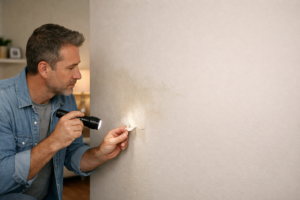
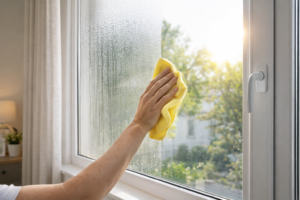
Small leaks and minor moisture issues are easy to dismiss, especially when they don’t seem urgent. A slow drip under a sink, a small water stain on the ceiling, or occasional dampness in a basement may not appear serious at first. However, moisture problems rarely resolve themselves and often become worse over time.
Water that repeatedly enters the same area can gradually damage building materials, weaken structural components, and create conditions that allow mold to grow. Even small plumbing leaks can cause significant damage if they remain unnoticed inside walls, cabinets, or crawl spaces.
Moisture can also come from sources outside the home. Poor drainage around the foundation, clogged gutters, or roof damage may allow water to enter areas where it doesn’t belong.
Because water damage often develops slowly, early detection is critical. Regularly checking areas around plumbing fixtures, monitoring basements and crawl spaces, and addressing leaks quickly can help prevent many larger problems from developing.
Overloading Electrical Circuits
Modern homes rely on electricity for nearly every daily activity, from lighting and appliances to heating and cooling equipment. However, many homeowners underestimate how much electrical demand certain devices place on a home’s circuits.
Overloading electrical circuits is a common maintenance mistake that can occur when too many devices are connected to a single outlet or power strip. High-demand appliances such as space heaters, microwaves, and window air conditioners can place significant strain on circuits that were not designed to handle that level of power.
When circuits become overloaded, homeowners may notice warning signs such as frequently tripped breakers, flickering lights, or outlets that feel warm to the touch. These symptoms indicate that the electrical system may be under more strain than it should be.
Using dedicated circuits for high-demand appliances and avoiding excessive use of extension cords or overloaded power strips can help reduce the risk of electrical problems. If electrical issues occur repeatedly, it may be a good idea to have the system inspected by a qualified electrician.
Poor Drainage Around the Foundation
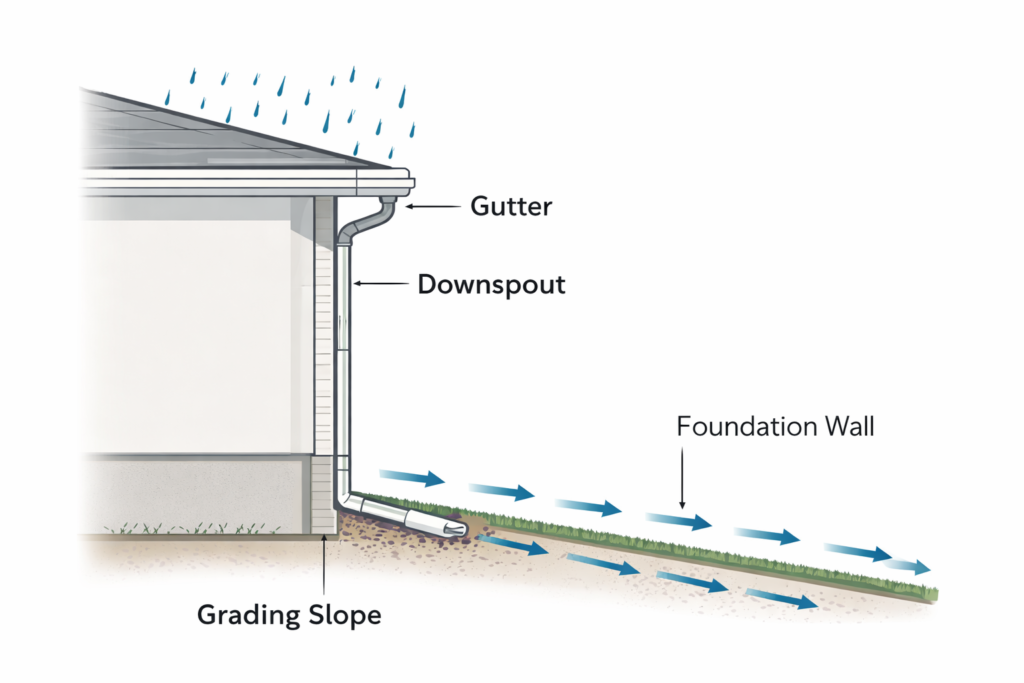
Proper drainage is essential for protecting the structure of a home, yet it’s an area that many homeowners rarely think about until a problem appears. When rainwater is not directed away from the house properly, it can collect around the foundation and gradually create moisture issues.
Poor drainage can occur for several reasons. Gutters may become clogged, downspouts may discharge water too close to the house, or the soil around the home may no longer slope away from the foundation as intended. Over time, this allows water to accumulate near the base of the structure.
When excess moisture builds up around the foundation, it can eventually lead to problems such as basement dampness, mold growth, foundation cracks, or structural movement. These types of issues are often expensive to repair once they become severe.
Fortunately, many drainage problems can be prevented with simple maintenance. Keeping gutters clean, extending downspouts away from the home, and maintaining proper grading around the foundation can help direct water safely away from the structure.
Neglecting Attic Ventilation
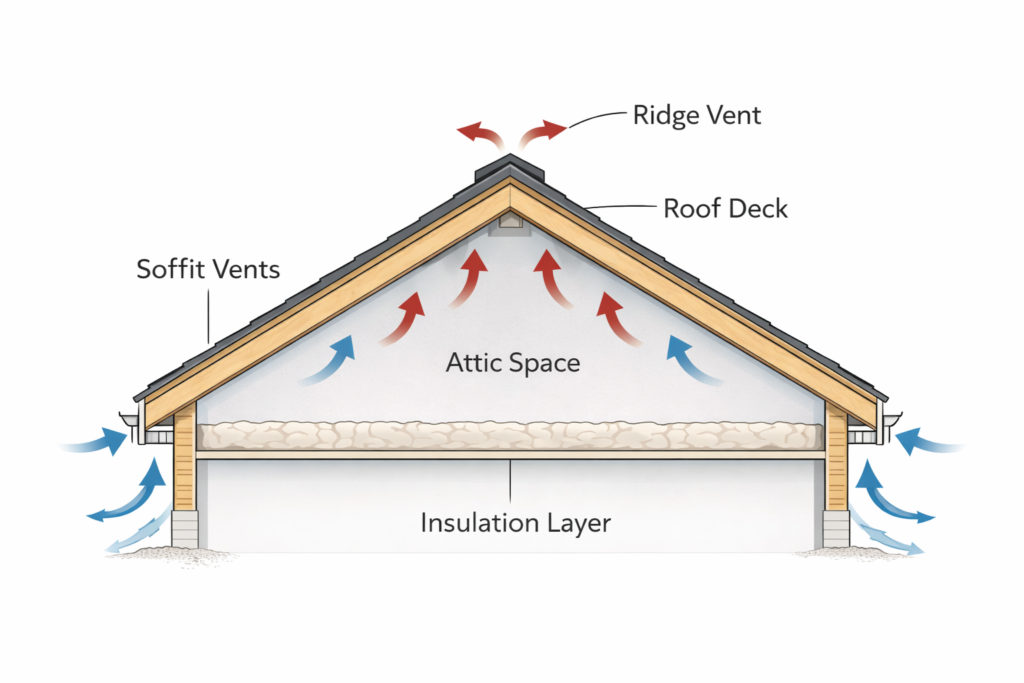
Attic spaces play an important role in regulating temperature and moisture within a home. When ventilation in the attic is not functioning properly, heat and humidity can become trapped in this space and gradually create problems for both the roof and the interior of the house.
During warmer months, poor attic ventilation can allow heat to build up beneath the roof, placing additional strain on roofing materials and increasing cooling costs. In colder climates, inadequate ventilation can contribute to condensation and moisture buildup inside the attic, which may lead to mold growth or damage to insulation and structural components.
Many homeowners rarely enter their attic, which means ventilation problems can go unnoticed for long periods of time. Blocked vents, compressed insulation, or poor airflow patterns can all reduce the effectiveness of the ventilation system.
Periodically checking the attic for signs of excess heat, moisture, or blocked vents can help homeowners identify potential ventilation issues before they lead to more serious damage.
Waiting Too Long to Replace Aging Equipment
Many home systems and appliances are designed to last for years, but they don’t last forever. Heating and cooling systems, water heaters, roofing materials, and major appliances all have expected lifespans. Waiting too long to replace aging equipment can sometimes lead to unexpected failures and more expensive repairs.
Homeowners often continue repairing equipment long after it has reached the end of its typical service life. While occasional repairs are normal, repeated breakdowns or declining performance may indicate that replacement is becoming the more practical option.
Older equipment can also become less efficient over time. Heating systems, air conditioners, and water heaters may require more energy to operate as components wear down, which can gradually increase utility costs.
Understanding the expected lifespan of major home systems helps homeowners plan ahead and avoid being caught off guard by sudden equipment failures. Our guide on Repair or Replace? A Practical Guide for Homeowners explains how to evaluate when it makes sense to repair equipment and when replacement may be the better long-term decision.
Why Small Maintenance Mistakes Become Expensive
Many home maintenance problems begin as small issues that seem easy to ignore. A slow plumbing leak, a clogged gutter, or a worn roofing component may not cause immediate damage, which makes it tempting to postpone addressing the problem. Over time, however, these small issues often worsen as normal wear and environmental conditions continue to affect the home.
Water damage is a common example. A small leak that goes unnoticed can gradually weaken building materials, damage insulation, and create conditions for mold growth. Similarly, mechanical systems that operate under strain—such as HVAC equipment with clogged filters or electrical circuits that are repeatedly overloaded—may experience accelerated wear and more frequent breakdowns.
The longer these issues persist, the more likely they are to affect other parts of the home. What might have started as a minor maintenance task can eventually involve multiple repairs, higher labor costs, and more extensive damage.
Routine maintenance and periodic inspections are the most effective ways to prevent this chain reaction. Addressing small problems early allows homeowners to protect their home’s systems and avoid many of the expensive repairs that result from neglected maintenance.
How Homeowners Can Avoid These Problems
Avoiding common home maintenance mistakes doesn’t require advanced technical knowledge. In most cases, it simply involves building a few consistent habits that help homeowners stay aware of how their home is functioning.
Routine maintenance tasks are one of the easiest ways to prevent small problems from developing into larger repairs. Simple actions such as replacing HVAC filters, clearing gutters, checking plumbing fixtures for leaks, and monitoring drainage around the foundation can help keep many home systems operating properly.
Regular inspections also play an important role. Periodically reviewing key areas of the home—such as roofing, plumbing, electrical components, and attic spaces—can help homeowners identify early warning signs before problems escalate.
Many homeowners find it helpful to follow a structured maintenance plan that spreads tasks throughout the year. Our Essential Home Maintenance Checklist, Seasonal Home Maintenance Checklist, and What Every Homeowner Should Inspect Annually provide practical guidance for maintaining different parts of the home and staying ahead of potential issues.
By developing simple maintenance routines and paying attention to early warning signs, homeowners can avoid many of the common mistakes that lead to unexpected repairs and costly damage.
Understanding Maintenance Mistakes Helps Protect Your Home
Home maintenance mistakes are often easy to overlook because many of them begin as small issues that don’t immediately appear serious. However, as these problems develop over time, they can gradually affect multiple parts of the home and lead to more complicated and expensive repairs.
Understanding the most common maintenance mistakes helps homeowners recognize potential problems earlier and take simple steps to prevent them. Paying attention to routine maintenance tasks, monitoring key systems, and performing occasional inspections can significantly reduce the likelihood of unexpected damage.
Owning a home doesn’t require expert-level knowledge of every system, but awareness and consistency can go a long way. When homeowners develop simple maintenance habits and address small issues promptly, they often avoid many of the problems that lead to costly repairs.
For homeowners who want to build a practical maintenance routine, the guides throughout this site are designed to help explain how homes work and how to keep them in good condition over time.
The Bottom Line
Most home maintenance mistakes happen simply because small tasks are easy to overlook. While these issues may seem minor at first, many of them gradually lead to larger and more expensive problems when they are ignored for too long.
The good news is that most of these mistakes are preventable. Simple habits such as routine maintenance, seasonal checkups, and occasional inspections can help homeowners identify potential issues early and keep major systems functioning properly.
By paying attention to small warning signs and staying consistent with basic maintenance tasks, homeowners can protect their property, extend the life of important systems, and avoid many of the costly repairs that result from neglected maintenance.