
How to Dry Out a Damp Room
A damp room can feel uncomfortable and may lead to musty odors, condensation, and long-term moisture problems if it is not addressed. Even small amounts of excess moisture can build up over time, especially in areas with limited airflow.
Dampness is often caused by a combination of high humidity, poor ventilation, and hidden moisture sources. Without proper airflow and moisture control, the air can remain heavy and allow surfaces to stay damp.
Drying out a damp room involves identifying the source of moisture, improving air circulation, and reducing humidity levels. With the right approach, most rooms can be returned to a dry and comfortable condition.
Home, Done Right – Perspective
A damp room is usually a sign that moisture is not being properly managed. In many cases, drying out a room is not just about removing moisture once, but improving airflow and controlling humidity so the problem does not return.
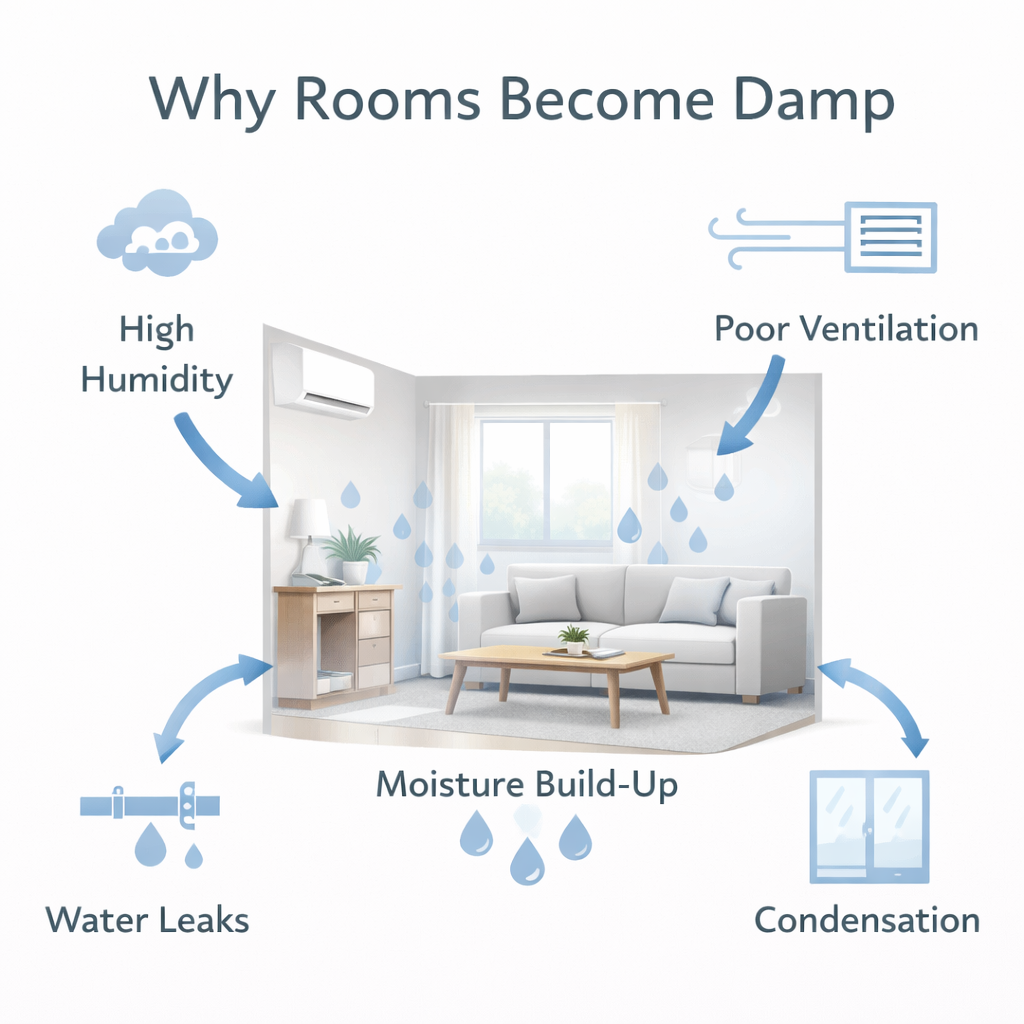
Why Rooms Become Damp
Rooms become damp when moisture builds up faster than it can be removed. This often happens gradually, especially in areas where airflow is limited or humidity levels are consistently elevated.
Even everyday activities like cooking, showering, and drying clothes can add moisture to the air. If that moisture is not properly ventilated or removed, it can settle on surfaces and create damp conditions.
Common Causes of Damp Rooms
Several factors can contribute to a room becoming damp:
- High indoor humidity levels
- Poor ventilation and limited airflow
- Water leaks or moisture intrusion
- Condensation forming on walls or windows
Moisture can also build up in lower areas of a home. Learn how to reduce humidity in a basement to control moisture at the source.
In This Guide
Drying out a damp room starts with understanding how moisture builds up and how airflow affects the space. In most cases, dampness is caused by a combination of humidity, limited ventilation, and moisture sources that are not being controlled.
In this guide you will learn how to:
- Identify the causes of damp conditions in a room
- Remove excess moisture using dehumidification and airflow
- Improve ventilation to prevent moisture buildup
- Address moisture sources that contribute to dampness
- Recognize early signs of mold or larger moisture problems
These steps can help homeowners restore dry conditions and prevent moisture issues from returning.
How to Dry Out a Damp Room
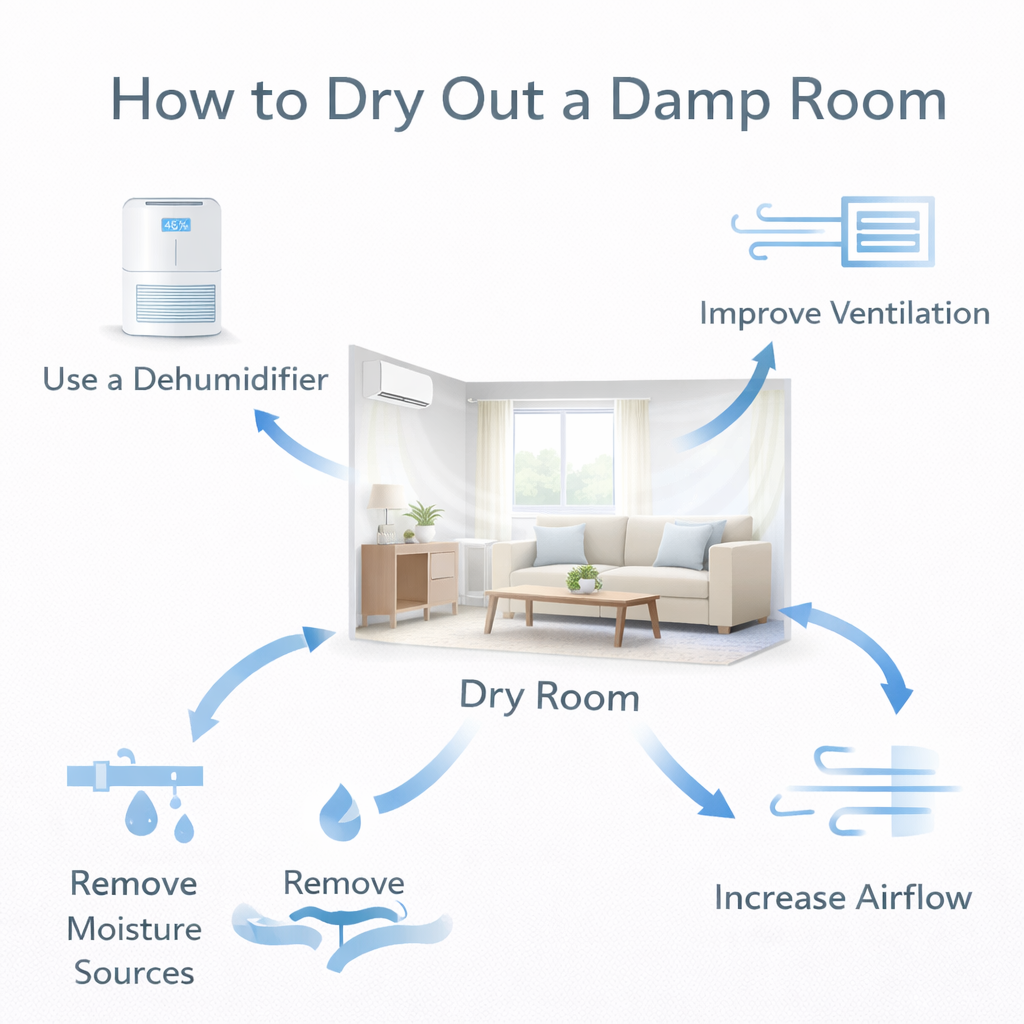
Drying out a damp room involves removing excess moisture and improving airflow so that humidity does not continue to build up. In most cases, using a combination of methods will produce the best results.
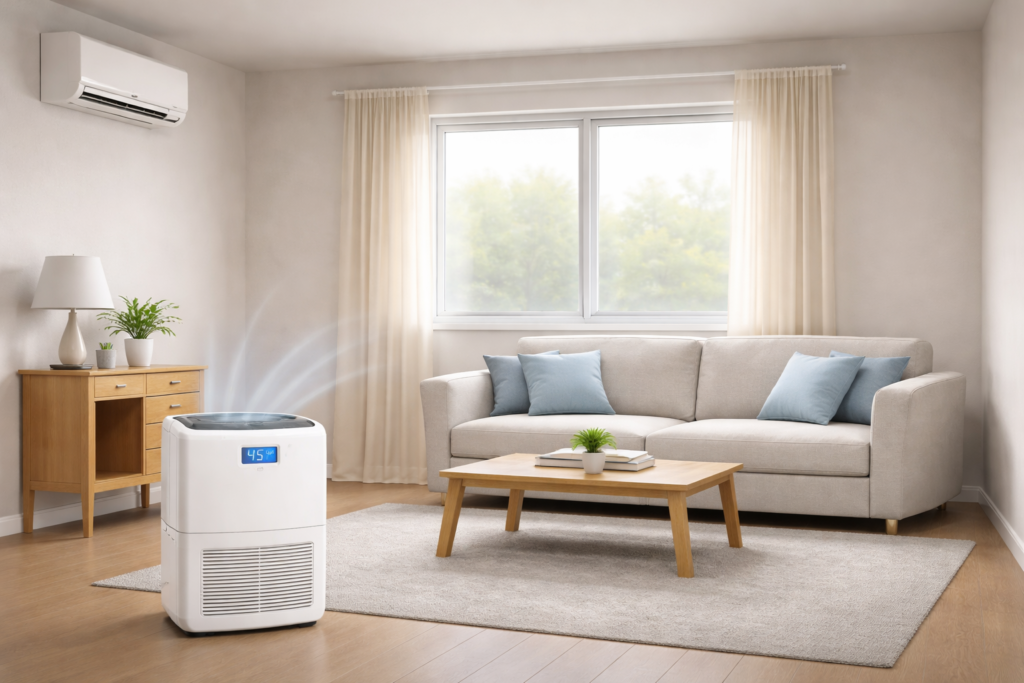
Use a Dehumidifier
A dehumidifier is one of the most effective ways to remove moisture from the air. It helps lower humidity levels and prevents damp conditions from returning.
Improve Ventilation
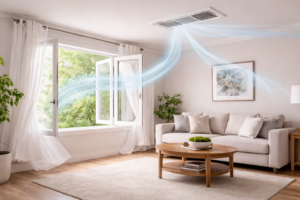
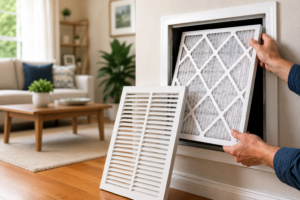
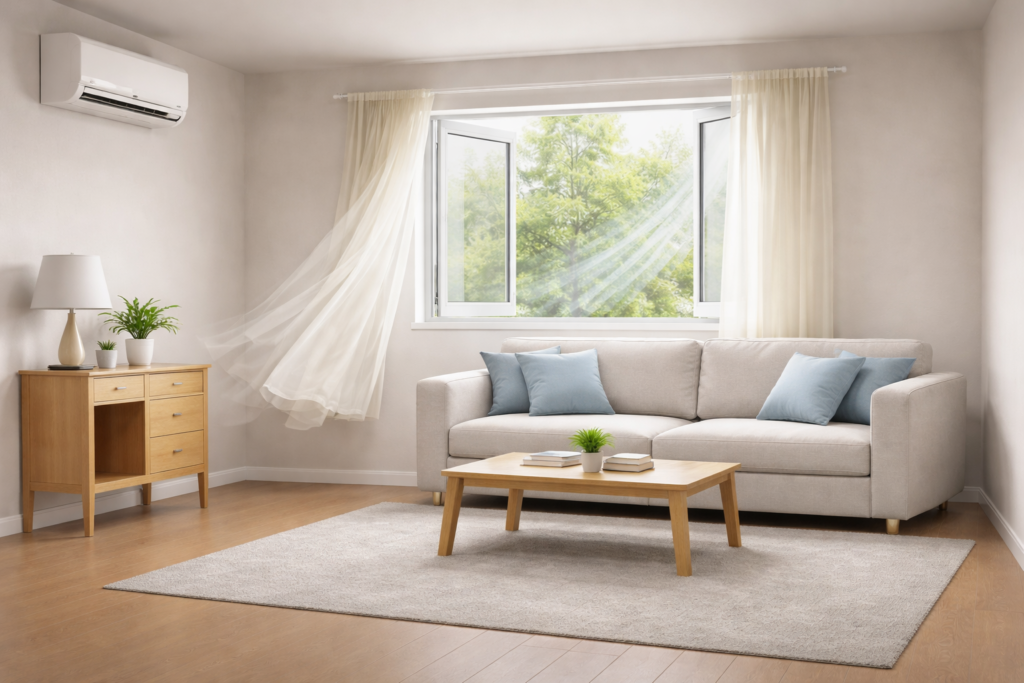
Increasing airflow allows moist air to escape and fresh air to circulate through the room. Opening windows or using ventilation systems can help reduce humidity.
Learn more: How to Improve Ventilation in a House
Identify and Fix Moisture Sources
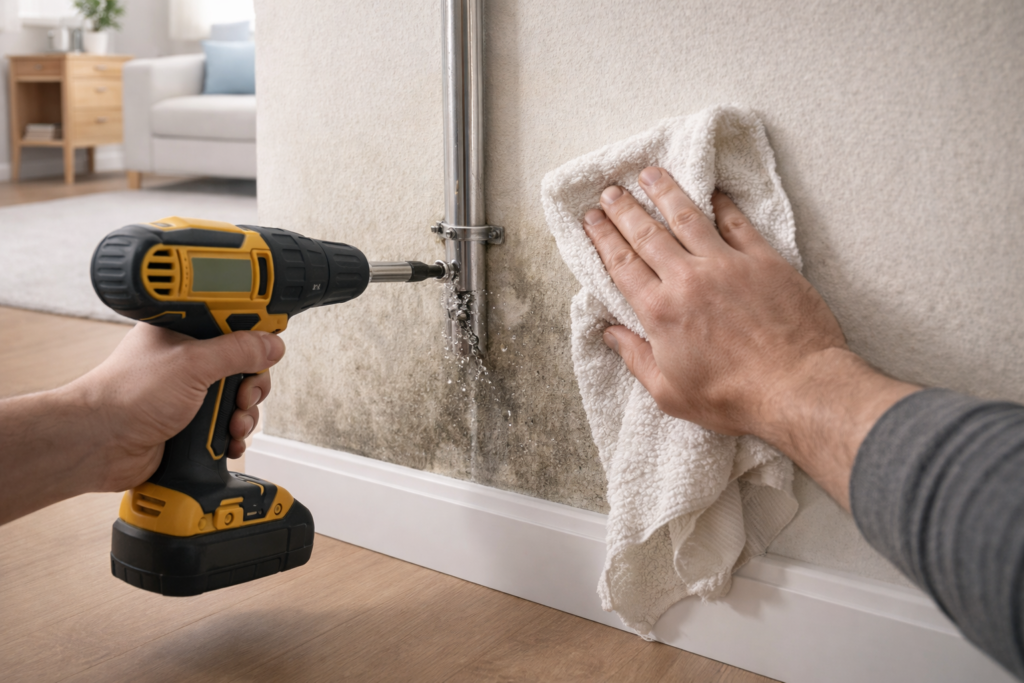
If moisture is coming from a leak or another source, it needs to be addressed directly. Fixing the source of moisture prevents the problem from continuing.
Reduce Indoor Humidity
Lowering overall humidity in the home helps prevent dampness from forming again. Managing moisture throughout the house supports long-term results.
Learn more: How to Reduce Humidity in a House
Signs a Damp Room May Lead to Bigger Problems
A damp room can sometimes be an early warning sign of larger moisture issues. If moisture is not addressed, it can lead to more serious problems over time.
Persistent Musty Odors
A lingering musty smell often indicates that moisture is being absorbed by materials in the room. This can be a sign that humidity levels remain too high.
Visible Damp Spots
Dark patches or damp areas on walls, ceilings, or floors can indicate that moisture is collecting and not drying properly.
Condensation on Surfaces
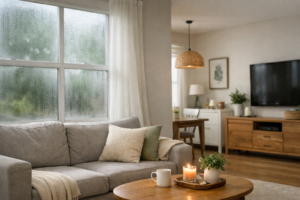
Water droplets forming on windows or walls suggest that humidity levels are too high and airflow is limited.
Learn more: How to Fix Condensation on Windows
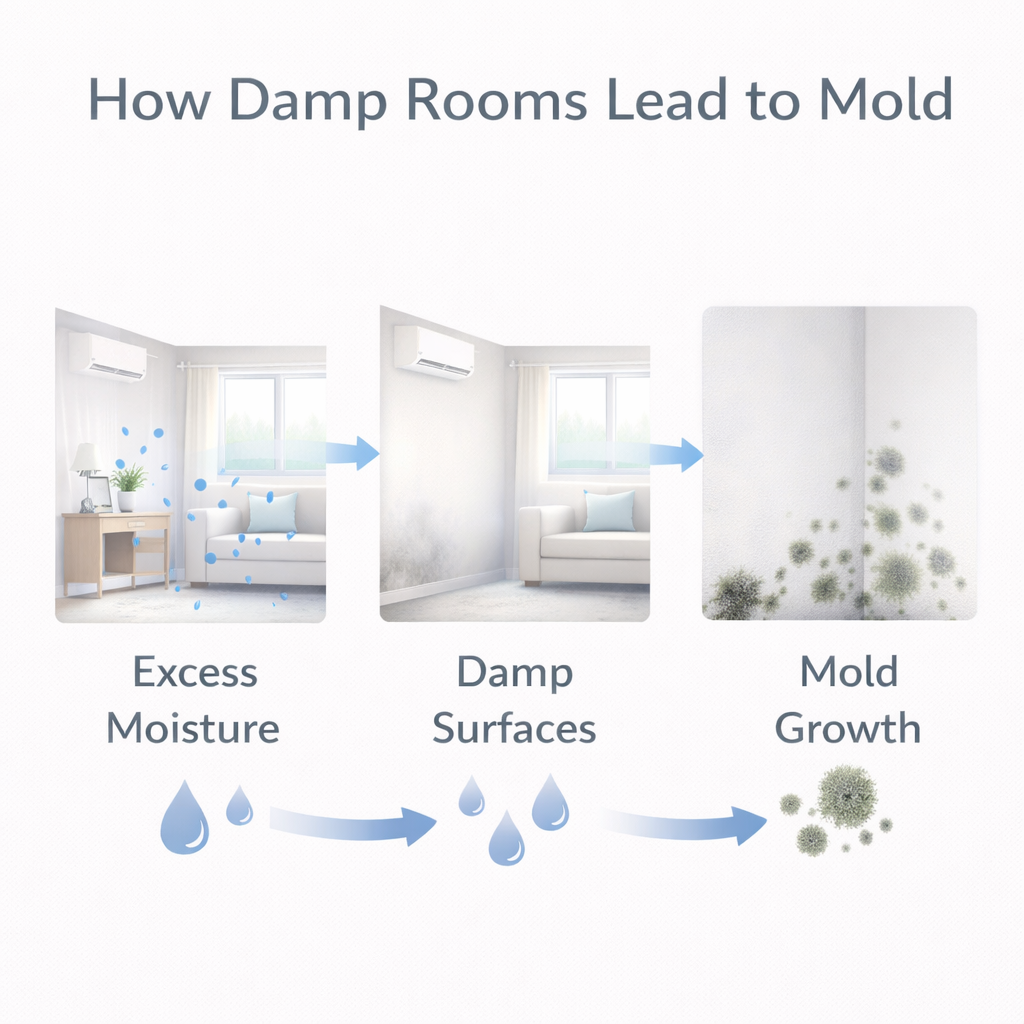
Mold Growth
If damp conditions continue, mold may begin to develop on surfaces or in hidden areas.
Learn more: How to Prevent Mold Growth in a House
Conclusion
Drying out a damp room is an important step in maintaining a healthy home environment. When moisture is allowed to remain, it can lead to discomfort, odors, and long-term damage.
Damp rooms are often part of a larger issue. Learning how to prevent moisture problems in a house can help address the root cause.
By removing excess humidity, improving ventilation, and addressing moisture sources, most damp rooms can be restored to a dry and comfortable condition.
The Bottom Line
A damp room is usually the result of moisture buildup and limited airflow. Fixing the problem requires reducing humidity and improving air circulation so moisture does not return.
Frequently Asked Questions
What causes a room to become damp?
A room becomes damp when moisture builds up faster than it can be removed. This is often caused by high humidity, poor ventilation, condensation, or hidden moisture sources like leaks.
What is the fastest way to dry out a damp room?
The fastest way to dry out a damp room is to use a dehumidifier and increase airflow at the same time. This helps remove moisture from the air and speeds up drying.
Can a damp room cause mold?
Yes. Damp conditions create the environment mold needs to grow. If moisture is not controlled, mold can develop on walls, ceilings, and other surfaces.
Should I open windows to dry out a room?
Opening windows can help if the outdoor air is drier than the air inside. Good airflow allows moisture to escape and helps dry out the room.
Will a fan help dry out a damp room?
Yes. A fan can improve air circulation and help moisture evaporate more quickly, especially when used with ventilation or a dehumidifier.
How long does it take to dry out a damp room?
The time can vary depending on the severity of the moisture and the methods used. With proper ventilation and dehumidification, noticeable improvements can often happen within a few days.