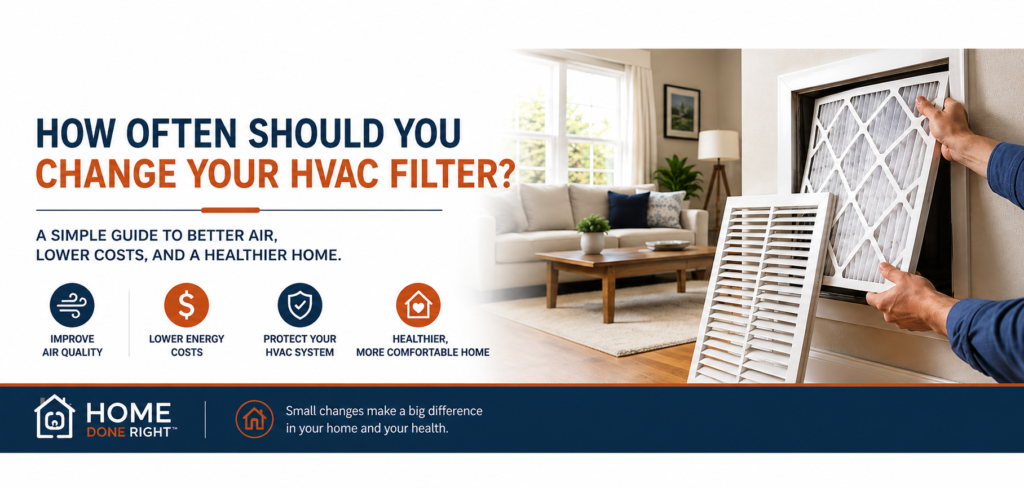
How Often Should You Change Your HVAC Filter?
Most homeowners know they should replace their HVAC filter eventually, but many aren’t sure how often. Some filters need to be changed every month, while others can last several months depending on the type of filter, the number of people and pets in the home, and your overall indoor air quality.
Replacing your HVAC filter on schedule does more than help keep your heating and cooling system running efficiently. A clean filter can improve airflow, reduce dust buildup, support healthier indoor air quality, and help prevent unnecessary strain on your HVAC system.
In this guide, we’ll explain how often HVAC filters should be replaced, the warning signs that it’s time for a new filter, and how to choose the right option for your home.
Disclosure: This article may contain affiliate links. If you purchase through these links, we may earn a commission at no additional cost to you. This helps support Home, Done Right and allows us to continue creating helpful homeowner resources.
Home, Done Right – Perspective
Changing your HVAC filter is one of the easiest and most important home maintenance tasks homeowners can perform. A clean filter helps support better airflow, improved indoor air quality, and more efficient HVAC operation.
While replacement schedules vary based on filter type, pets, allergies, and household conditions, regularly checking your filter can help prevent many common HVAC and air quality issues before they become larger problems.
Why HVAC Filters Matter
Your HVAC filter does more than simply trap dust. It helps protect your heating and cooling system from airborne particles that can accumulate inside equipment and restrict airflow over time.
A clean filter can help:
- Improve airflow throughout your home
- Reduce dust and airborne particles
- Support better indoor air quality
- Help your HVAC system operate more efficiently
- Reduce unnecessary wear on heating and cooling equipment
When a filter becomes clogged, your system has to work harder to move air through your home. This can lead to reduced comfort, increased energy consumption, and potentially shorter equipment life.
Regular filter replacement is one of the simplest ways homeowners can support both their HVAC system and their indoor air quality.
If you’re looking for additional ways to improve the air inside your home, check out our guide on How to Improve Indoor Air Quality.
How Often Should You Replace Your HVAC Filter?
The ideal replacement schedule depends on the type of filter you’re using, as well as factors like pets, allergies, and overall household activity.
| Filter Type | Typical Replacement Schedule |
|---|---|
| 1-inch fiberglass filter | Every 30 days |
| 1-inch pleated filter | Every 60–90 days |
| 2–4 inch pleated filter | Every 6–12 months |
| HEPA or whole-home filtration systems | Follow manufacturer recommendations |
These timelines are general guidelines. Homes with pets, allergy sufferers, smokers, or higher levels of dust may require more frequent filter changes.
When in doubt, inspect your filter monthly. If it appears visibly dirty or airflow seems reduced, it’s often a good indication that replacement is needed sooner.
Signs Your HVAC Filter Needs Replacing
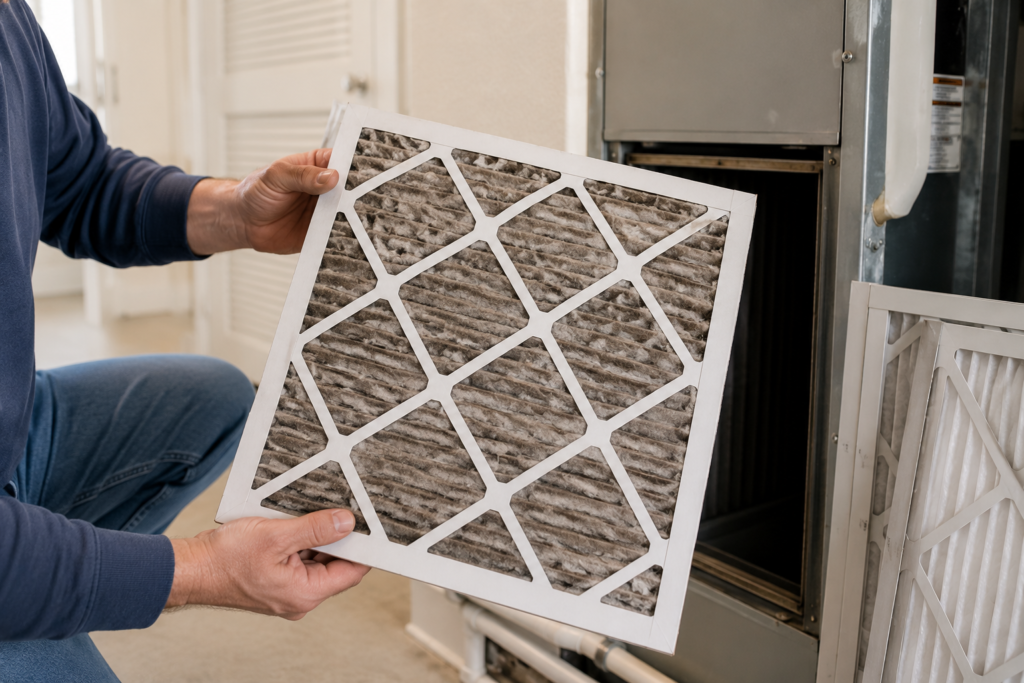
Even if you follow a recommended replacement schedule, it’s still a good idea to inspect your filter regularly. Factors like pets, allergies, home renovations, and seasonal changes can cause filters to become dirty more quickly than expected.
Common signs that your HVAC filter may need replacing include:
- Visible dust and debris on the filter
- Reduced airflow from vents
- Increased dust buildup around the home
- More frequent allergy or respiratory symptoms
- Higher-than-normal energy bills
- HVAC equipment running longer than usual
- Musty or stale odors when the system is operating
If you notice one or more of these warning signs, it’s worth checking your filter even if it hasn’t reached its expected replacement date. Replacing a clogged filter is often one of the easiest and most affordable ways to improve both HVAC performance and indoor air quality.
How Pets, Allergies, and Home Conditions Affect Filter Life
Not every home places the same demands on an HVAC filter. While replacement schedules provide a good starting point, certain conditions can cause filters to become dirty much more quickly.
Homes With Pets
Pet hair and dander can accumulate in HVAC filters faster than many homeowners realize. If you have one or more pets, you may need to check and replace your filter more frequently than the standard recommendation.
Homes With Allergy Sufferers
For households dealing with allergies, a clean HVAC filter can help reduce airborne particles such as dust, pollen, and pet dander. Allowing a filter to become clogged may reduce its effectiveness and contribute to poorer indoor air quality.
Dusty Environments and Home Renovations
Construction projects, remodeling work, and naturally dusty environments can quickly overwhelm a filter. During these periods, it’s a good idea to inspect your filter more often and replace it as needed.
High-Occupancy Homes
Homes with more occupants generally generate more dust, pet dander, and airborne particles. Increased HVAC usage can also contribute to faster filter loading.
The best approach is to treat replacement schedules as guidelines rather than strict rules. Regular monthly inspections can help you determine whether your filter needs attention sooner than expected.
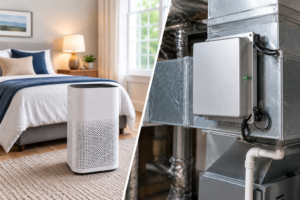
While changing your HVAC filter is essential, some homeowners also choose to install an air scrubber for additional whole-home air purification. If you’re considering additional air-cleaning options, read our Air Purifier vs. Air Scrubber guide.
Choosing the Right HVAC Filter
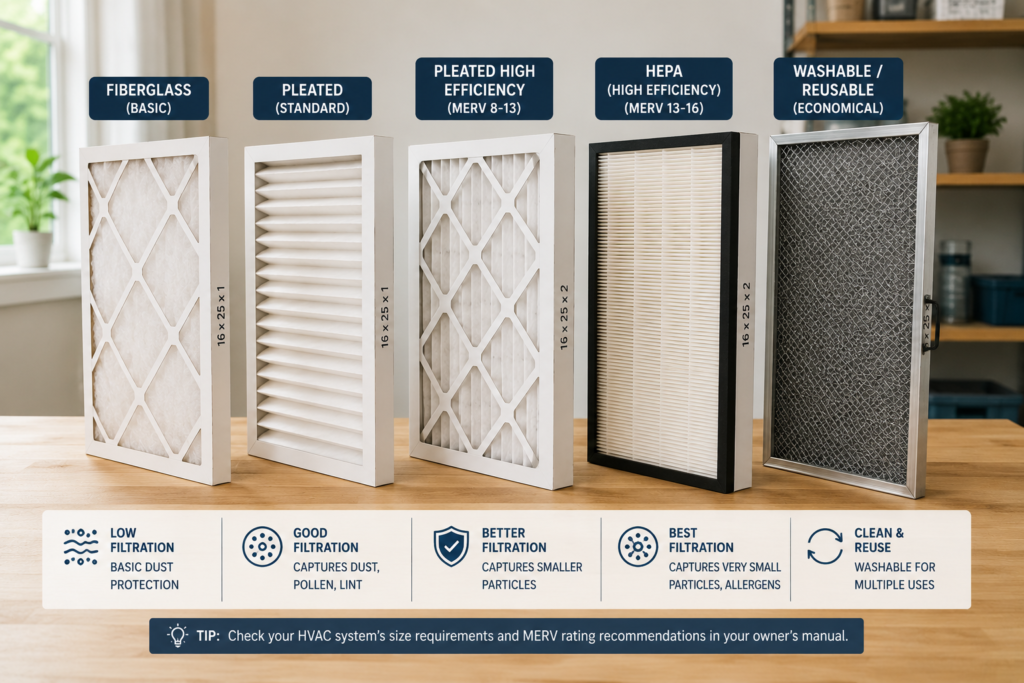
Not all HVAC filters provide the same level of filtration. Choosing the right filter depends on your home’s air quality needs, HVAC system requirements, and whether factors like pets or allergies are a concern.
MERV 8 Filters
MERV 8 filters are a common choice for many homes. They can capture larger particles such as dust, lint, and pollen while maintaining good airflow through most HVAC systems.
MERV 11 Filters
MERV 11 filters provide a higher level of filtration and can capture smaller airborne particles, making them a popular option for households looking to improve indoor air quality without significantly restricting airflow.
MERV 13 Filters
MERV 13 filters offer even greater filtration performance and can help capture finer particles such as smoke, bacteria, and smaller allergens. However, not all HVAC systems are designed to handle the increased airflow resistance of higher-rated filters.
Follow Your HVAC Manufacturer’s Recommendations
Before upgrading to a higher-rated filter, it’s important to review your HVAC system’s specifications. Using a filter that is too restrictive can reduce airflow and potentially affect system performance.
For many homeowners, a quality MERV 8 or MERV 11 filter provides an excellent balance between filtration effectiveness and airflow.
When in doubt, consult your HVAC manufacturer’s guidelines or speak with a qualified HVAC professional to determine the best option for your system.
HVAC Filters vs. Air Purifiers: What’s the Difference?
While HVAC filters and air purifiers both contribute to cleaner indoor air, they serve different purposes.
HVAC filters are installed within your heating and cooling system and help capture airborne particles as air circulates throughout your home. Their primary job is to protect HVAC equipment while also reducing dust, pollen, and other contaminants.
Air purifiers, on the other hand, are standalone devices designed to actively clean the air within a specific room or area. Many models use HEPA filtration and other technologies to capture smaller particles and allergens directly from the air.
In general:
- HVAC filters help provide whole-home filtration through your heating and cooling system.
- Air purifiers provide targeted air cleaning in individual rooms.
- Both can work together to support better indoor air quality.
For homeowners concerned about allergies, pet dander, smoke, or other indoor air quality issues, an air purifier may provide benefits beyond what a standard HVAC filter can offer.
Learn More About Indoor Air Quality
If you want to better understand how air quality works in your home, these guides will help you go deeper.
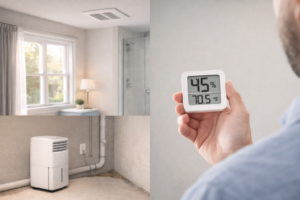
Using the right combination of filtration, ventilation, and humidity control can help create a cleaner, healthier, and more comfortable home environment.
The Bottom Line
For most homeowners, checking an HVAC filter once a month and replacing it every 1–3 months is a simple way to support both HVAC performance and indoor air quality. However, factors like pets, allergies, home renovations, and filter type can all affect how often replacement is needed.
A clean filter helps maintain proper airflow, reduces dust and airborne particles, and can help your heating and cooling system operate more efficiently. When in doubt, inspect your filter regularly and replace it before it becomes heavily clogged.
Combined with proper ventilation, humidity control, and other indoor air quality improvements, routine HVAC filter maintenance is one of the easiest steps homeowners can take to create a healthier and more comfortable home.
Conclusion
Replacing your HVAC filter may seem like a small maintenance task, but it can have a significant impact on both your home’s comfort and your HVAC system’s performance. A clean filter helps maintain proper airflow, supports better indoor air quality, and can reduce unnecessary strain on your heating and cooling equipment.
While most homeowners should plan to replace their filter every 1–3 months, factors such as pets, allergies, household occupancy, and filter type can all affect how often a change is needed. The best approach is to inspect your filter regularly and replace it before it becomes heavily clogged.
By making HVAC filter replacement part of your regular home maintenance routine, you can help create a cleaner, healthier, and more comfortable living environment year-round.
Frequently Asked Questions
How often should I change a 1-inch HVAC filter?
Most 1-inch HVAC filters should be replaced every 30 to 90 days, depending on the filter type, household conditions, and indoor air quality concerns. Homes with pets, allergy sufferers, or higher dust levels may require more frequent replacement.
What happens if I don’t change my HVAC filter?
A clogged HVAC filter can restrict airflow, reduce system efficiency, increase energy consumption, and contribute to poor indoor air quality. Over time, it may also place additional strain on heating and cooling equipment.
How do I know if my HVAC filter is dirty?
Visible dust buildup, reduced airflow, increased dust around the home, allergy symptoms, and higher utility bills are all common signs that a filter may need replacing.
Is a higher MERV rating always better?
Not necessarily. Higher MERV-rated filters capture smaller particles, but they can also restrict airflow if your HVAC system is not designed for them. Always follow your manufacturer’s recommendations.
Can HVAC filters improve indoor air quality?
Yes. A clean HVAC filter can help reduce dust, pollen, pet dander, and other airborne particles circulating through your home. However, filters work best when combined with proper ventilation, humidity control, and routine HVAC maintenance.