

How to Prevent Moisture Problems in a House
Moisture problems in a house can lead to a wide range of issues, from uncomfortable indoor air to mold growth and long-term damage to building materials. In many homes, these problems develop slowly as humidity, condensation, or small leaks go unnoticed over time.
Understanding how moisture behaves inside a home is the key to preventing these issues. Everyday activities like cooking, showering, and laundry all add moisture to the air, while poor ventilation or hidden leaks can allow that moisture to build up in certain areas.
Preventing moisture problems in a house is not about a single fix. It involves managing humidity, improving ventilation, controlling water sources, and maintaining the home regularly. When these factors are balanced, it becomes much easier to keep a home dry and free from moisture-related damage.
This guide provides an overview of how moisture problems develop and the most effective ways to prevent them. Each section will introduce key concepts and link to more detailed guides for homeowners who want to go deeper into specific solutions.
Home, Done Right – Perspective
Preventing moisture problems in a house is about managing how water and humidity move through the home. In most cases, moisture issues develop gradually, which means simple steps like improving airflow, controlling humidity, and fixing small problems early can make a significant difference over time.
What Causes Moisture Problems in a House
Moisture problems in a house usually develop when water or humidity is allowed to build up and remain in certain areas over time. In most homes, this happens gradually through a combination of everyday activities, environmental conditions, and small maintenance issues.
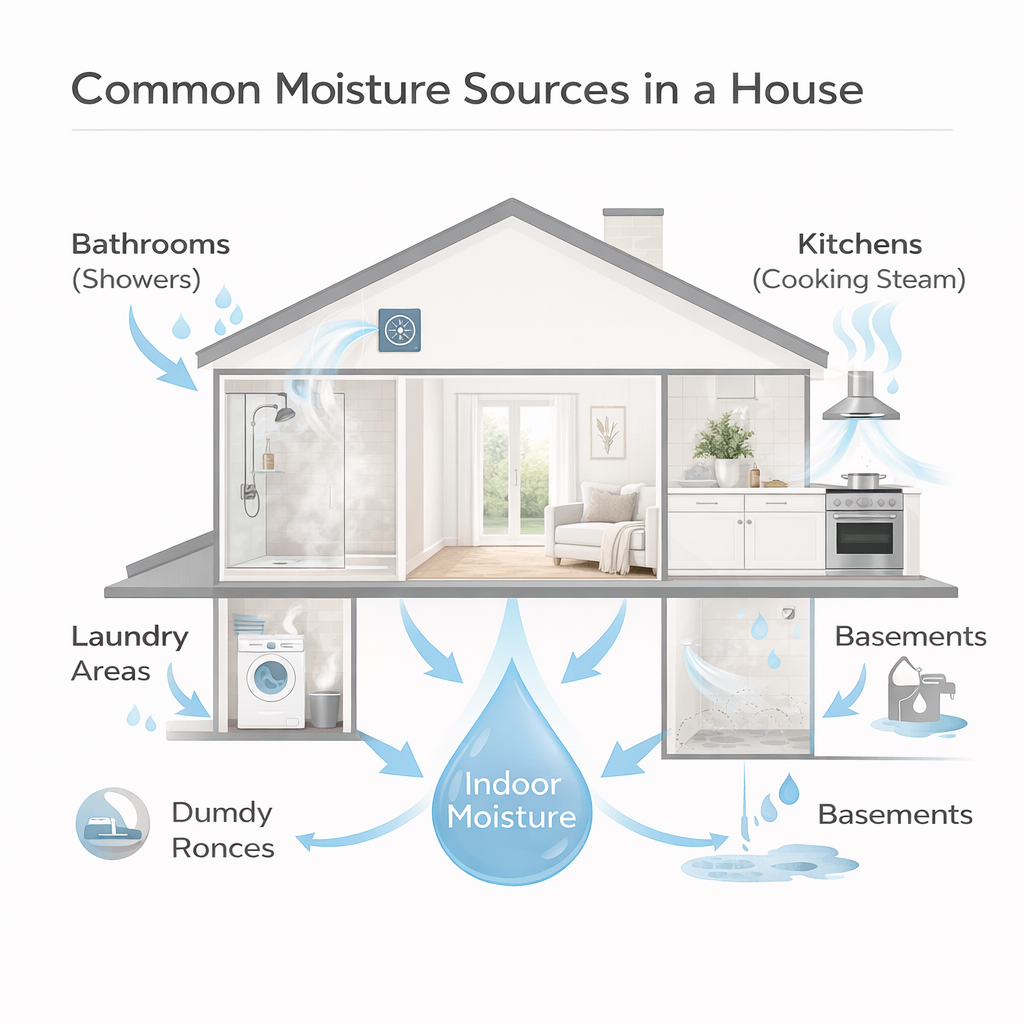
Indoor moisture often comes from normal daily use of the home. Activities like cooking, showering, and laundry release water vapor into the air. Without proper ventilation, this moisture can accumulate and raise indoor humidity levels.
Moisture can also enter a home from outside. Rainwater, groundwater, and humid outdoor air can find their way inside through foundations, walls, or poorly sealed openings. In addition, small plumbing leaks or roof issues can introduce moisture into hidden areas where it may go unnoticed.
Common Sources of Moisture
Some of the most common sources of moisture in a house include:
- Showers and baths
- Cooking and boiling water
- Outdoor humidity entering the home
- Basement and foundation moisture
- Laundry and drying clothes
- Plumbing leaks and roof leaks
In This Guide
Preventing moisture problems in a house involves managing how humidity, airflow, and water interact throughout the home. When moisture is controlled at each stage, it becomes much easier to avoid issues like mold growth, condensation, and long-term damage.
In this guide you will learn how to:
- Identify the most common sources of moisture in a home
- Control indoor humidity and reduce excess moisture
- Improve ventilation to remove humid air
- Prevent water intrusion from leaks and external sources
- Recognize early signs of hidden moisture problems
- Maintain your home to prevent moisture issues over time
Each section provides an overview of these topics along with links to more detailed guides for deeper solutions.
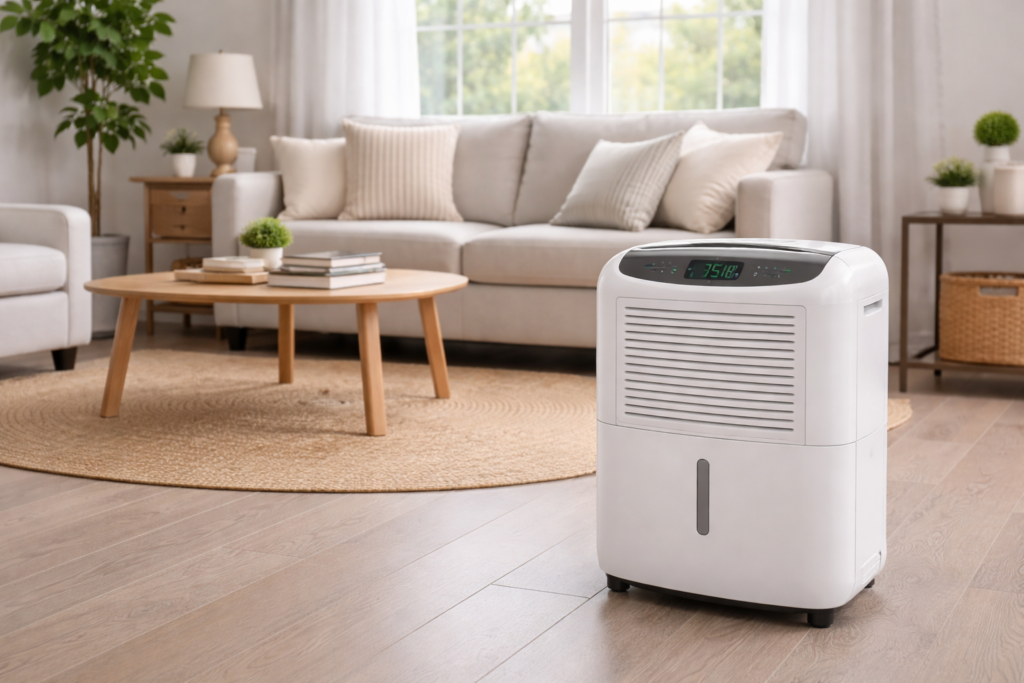
Control Indoor Humidity
Managing indoor humidity is one of the most important steps in preventing moisture problems in a house. When humidity levels stay too high, moisture can collect on surfaces and create conditions where mold and material damage can develop.
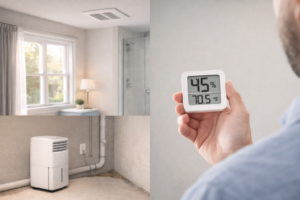
Most homes perform best when indoor humidity is kept within a healthy range. Monitoring and controlling humidity helps reduce condensation and keeps building materials dry.
Why Humidity Matters
High humidity allows moisture to remain in the air and settle on cooler surfaces such as windows, walls, and pipes. Over time, this repeated moisture exposure can lead to damp materials and increase the risk of mold growth.
Keeping humidity under control helps prevent these issues before they start.
Learn more: How to Reduce Humidity in a House
Improve Ventilation Throughout the Home
Ventilation plays a key role in removing moisture from indoor air. Without proper airflow, humidity can become trapped inside the home and lead to condensation and stale air.
Improving ventilation helps move moist air out and bring fresh air in, which supports better moisture control.
Why Ventilation Matters
Good airflow helps prevent moisture from building up in enclosed areas. Bathrooms, kitchens, and laundry rooms are especially important areas to ventilate because they regularly produce humidity.
Learn more: How to Improve Ventilation in a House

Prevent Water Intrusion and Leaks
Water entering a home from leaks or external sources is one of the most common causes of moisture problems. Even small amounts of water can lead to long-term issues if they are not addressed quickly.
Leaks often develop in hidden areas such as inside walls, under sinks, or around roof penetrations. Because these problems can go unnoticed, they can allow moisture to build up over time.
Common Water Entry Points
Water can enter a home in several ways, including:
- Plumbing leaks under sinks or behind fixtures
- Roof leaks around vents, chimneys, or damaged shingles
- Poorly sealed windows and doors
- Foundation cracks or drainage issues
Fixing these problems early is one of the most effective ways to prevent moisture damage.
Learn more: Preventing Water Damage in Your Home
Identify Hidden Moisture Problems Early
Not all moisture issues are easy to see. In many homes, moisture problems develop behind walls, under flooring, or in areas that are not frequently inspected.
Recognizing early warning signs can help prevent more serious damage.
Signs to Watch For
Some common signs of hidden moisture include:
- Musty odors
- Water stains or discoloration
- Peeling paint or warped materials
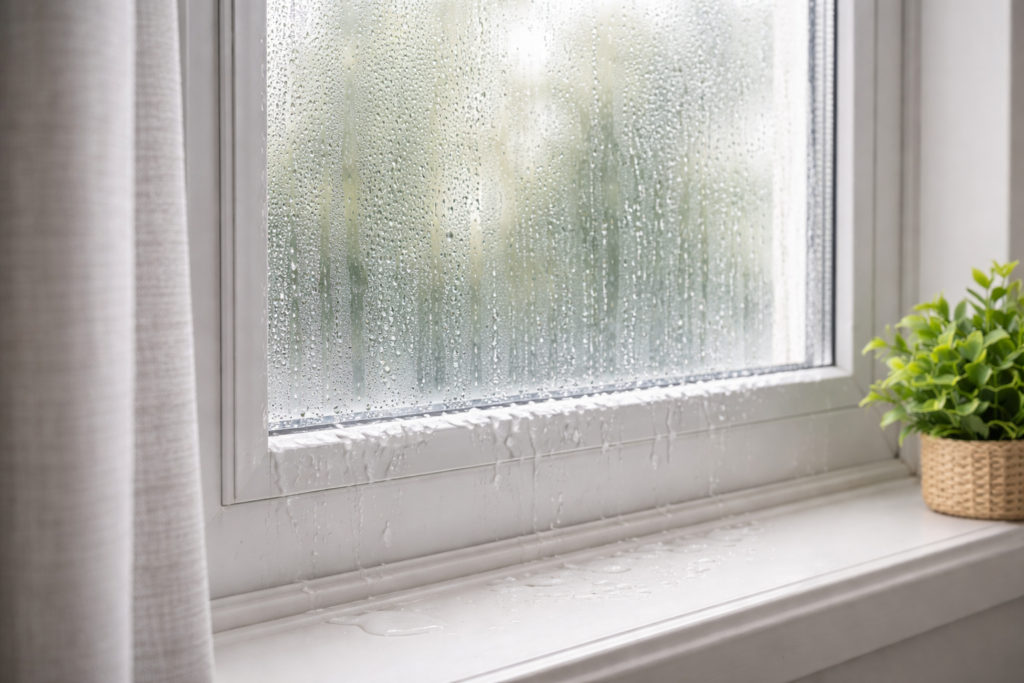
- Persistent condensation
Identifying these signs early can help homeowners address problems before they worsen.
Learn more: Signs of Hidden Water Damage in Homes
Maintain a Moisture-Resistant Home
Preventing moisture problems is not just about fixing issues as they appear—it also involves regular maintenance and consistent habits. Small routine checks can help keep moisture under control and prevent problems from developing over time.
Homes that are regularly maintained are less likely to experience long-term moisture issues.
Routine Maintenance Habits
Some simple maintenance steps that help prevent moisture problems include:
- Checking for leaks under sinks and around plumbing fixtures
- Inspecting basements and lower levels for dampness
- Keeping gutters and downspouts clear
- Monitoring indoor humidity levels
- Using exhaust fans in moisture-prone areas
These habits help reduce the risk of moisture buildup and make it easier to catch issues early.
Learn more: Essential Home Maintenance Checklist
How Moisture Problems Lead to Damage
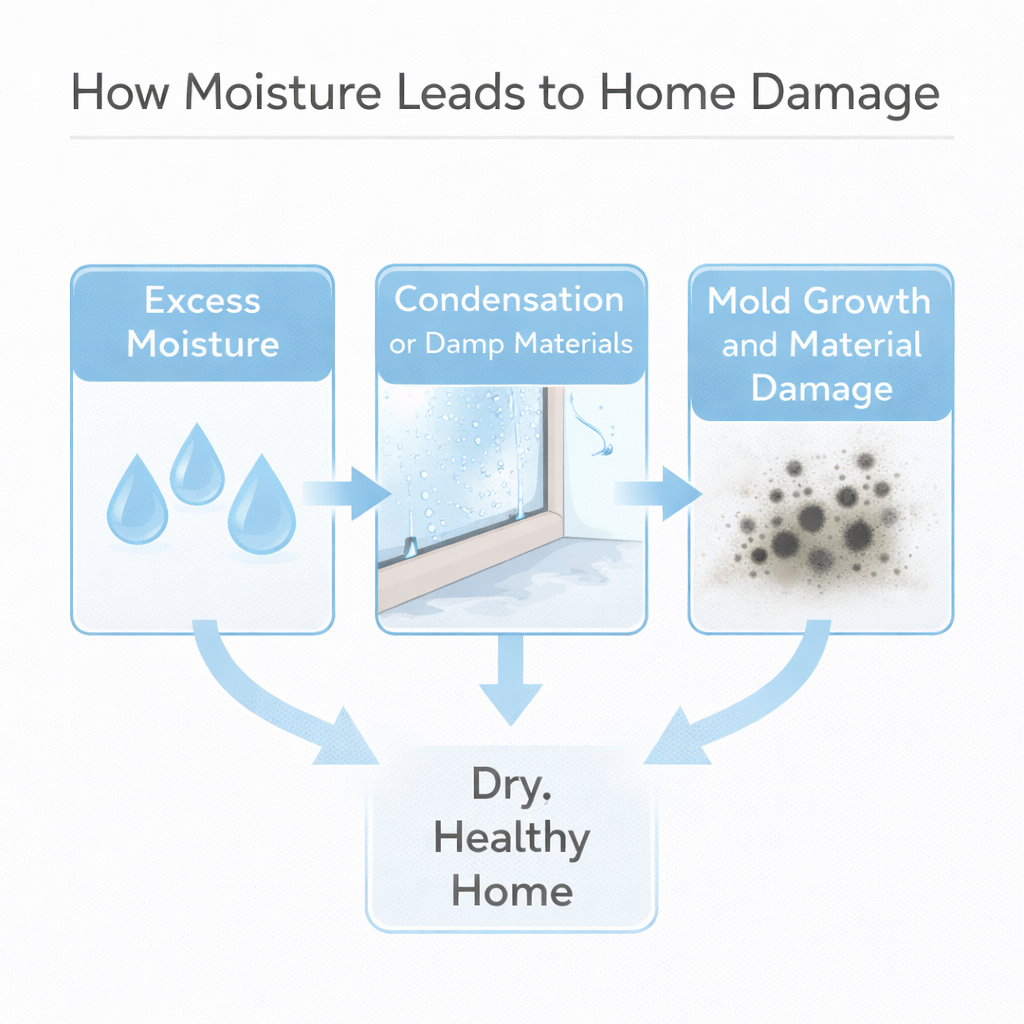
When moisture is not properly controlled, it can lead to a chain of problems inside a home. What starts as excess humidity or a small leak can develop into more serious issues over time.
Moisture that remains on surfaces or inside materials can create the conditions needed for mold growth and structural damage.
Moisture buildup is one of the main causes of mold, and learning how to prevent mold growth in a house is an important part of controlling moisture problems.
Common Results of Moisture Problems
Moisture issues can lead to:
- Mold and mildew growth
- Damage to drywall and wood
- Warping, staining, or deterioration of materials
- Reduced indoor air quality
Understanding how moisture leads to these problems highlights the importance of prevention.
Conclusion
Preventing moisture problems in a house comes down to managing how water and humidity move through the home. When moisture is controlled, it becomes much easier to avoid issues like mold growth, condensation, and material damage.
By maintaining healthy humidity levels, improving ventilation, preventing leaks, and staying consistent with home maintenance, homeowners can significantly reduce the risk of moisture-related problems.
Each part of this system works together. When one area is overlooked, moisture can build up and lead to larger issues over time.
The Bottom Line
Preventing moisture problems in a house requires a combination of humidity control, ventilation, water management, and regular maintenance. When these elements are balanced, homeowners can keep their homes dry, comfortable, and protected from long-term damage.
Frequently Asked Questions
What causes moisture problems in a house?
Moisture problems in a house are usually caused by high humidity, poor ventilation, leaks, or water entering from outside. Everyday activities like cooking, showering, and laundry can also add moisture to indoor air if it is not properly managed.
What is the best way to prevent moisture problems in a home?
The best way to prevent moisture problems is to control humidity, improve ventilation, fix leaks quickly, and maintain the home regularly. Managing these factors together helps keep the home dry and reduces the risk of mold and damage.
What humidity level prevents moisture problems?
Most homes should maintain indoor humidity between 30% and 50%. Keeping humidity within this range helps prevent condensation, mold growth, and moisture buildup.
Can moisture problems cause mold?
Yes. Excess moisture creates the conditions mold needs to grow. When materials remain damp for extended periods, mold can begin to develop and spread.
How do you know if your house has a moisture problem?
Common signs include condensation on windows, musty odors, water stains, peeling paint, or warped materials. These signs often indicate that moisture is building up somewhere in the home.
Are moisture problems expensive to fix?
Moisture problems can become expensive if they are not addressed early. Small issues like leaks or humidity buildup are usually easier and less costly to fix than long-term damage or mold growth.