
How to Fix Condensation on Windows
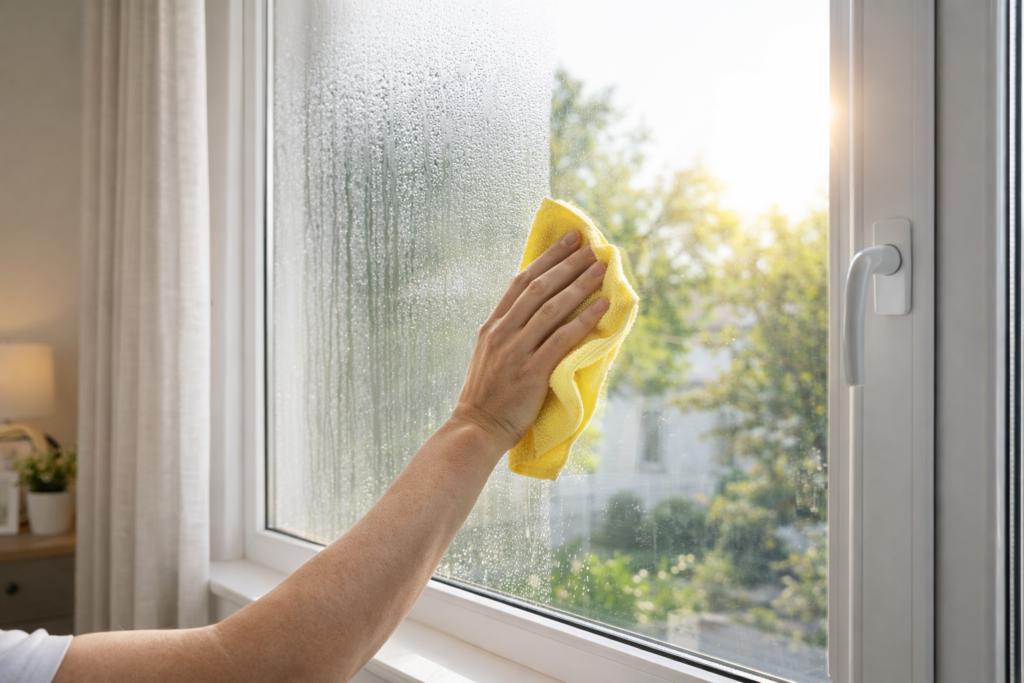
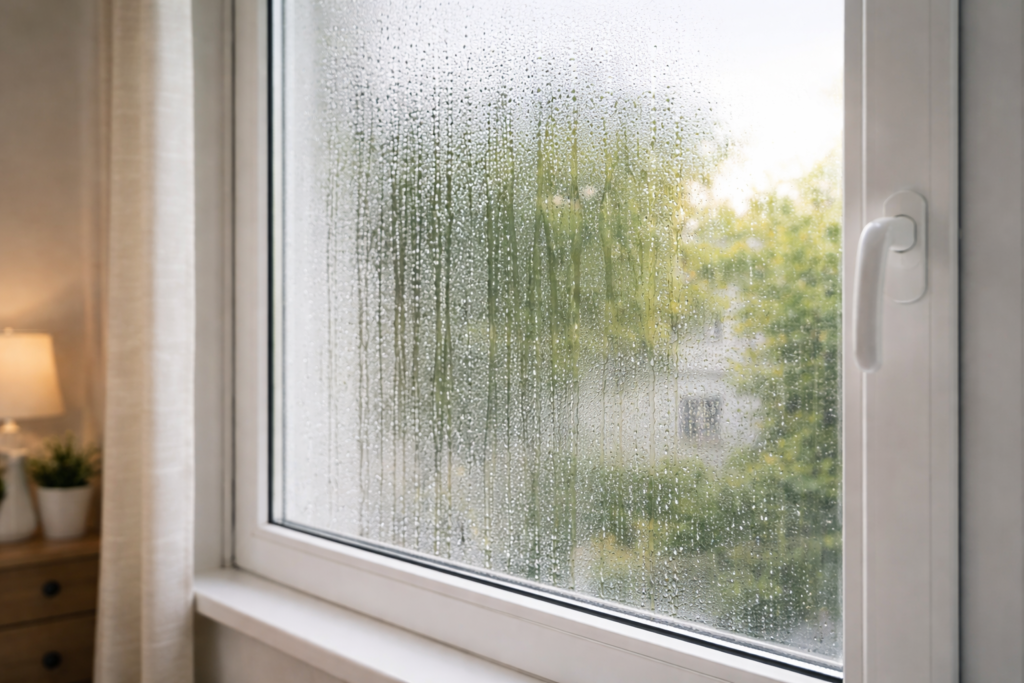
Condensation on windows is a common problem in many homes, especially during colder months. It appears as water droplets forming on the inside of glass surfaces and is often a sign that moisture levels inside the home are too high.
While it may seem like a minor issue, condensation can lead to larger problems over time. Excess moisture can damage window frames, cause mold growth, and indicate underlying humidity or ventilation issues.
Understanding why condensation forms and how to fix it can help homeowners reduce moisture, improve indoor air quality, and prevent long-term damage.
Home, Done Right – Perspective
Condensation on windows is usually a sign that moisture is building up inside the home rather than a problem with the windows themselves. In many cases, reducing humidity and improving airflow can resolve condensation without the need for repairs or replacements.
What Causes Condensation on Windows
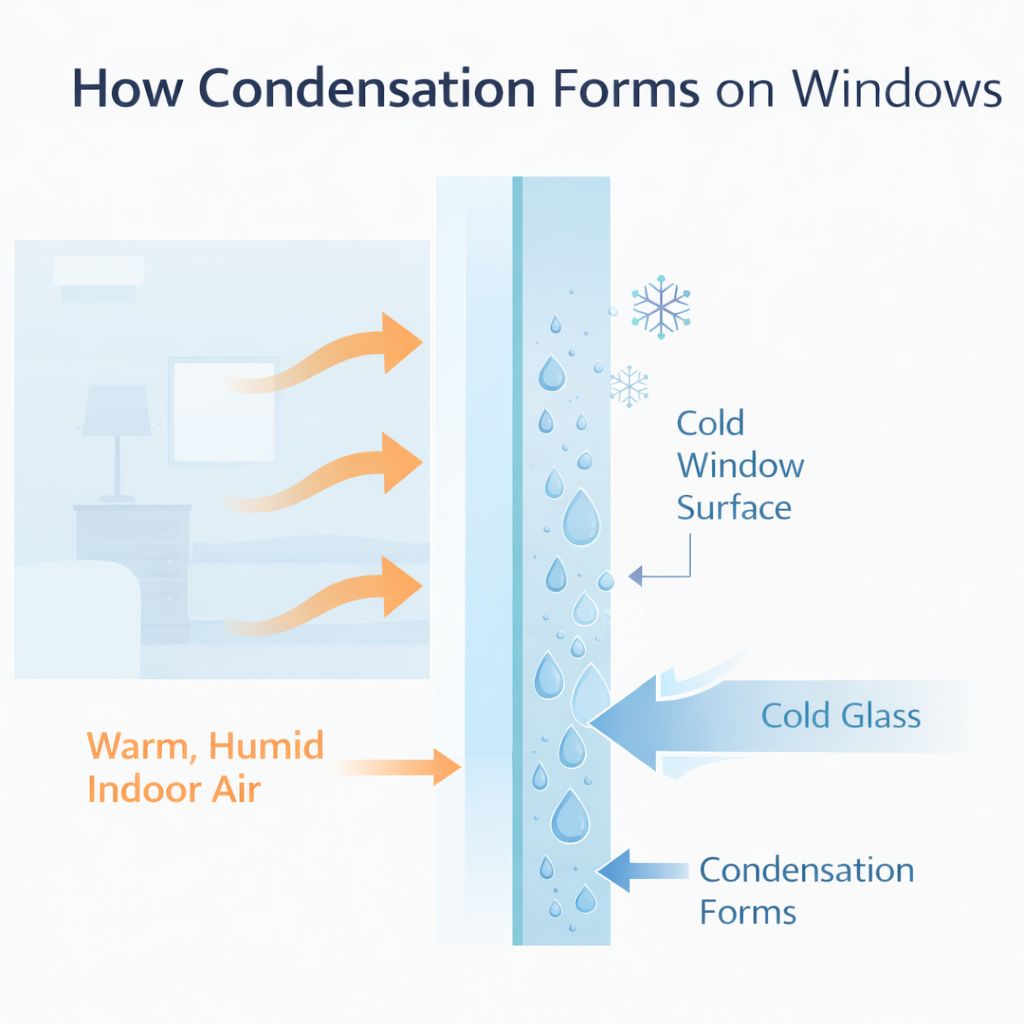
Condensation on windows forms when warm, moist air inside the home comes into contact with a colder surface, such as window glass. As the air cools, it can no longer hold as much moisture, causing water droplets to form on the surface.
This is most common during colder months when the temperature difference between indoor air and outdoor conditions is greater. The colder the window surface, the more likely condensation is to develop.
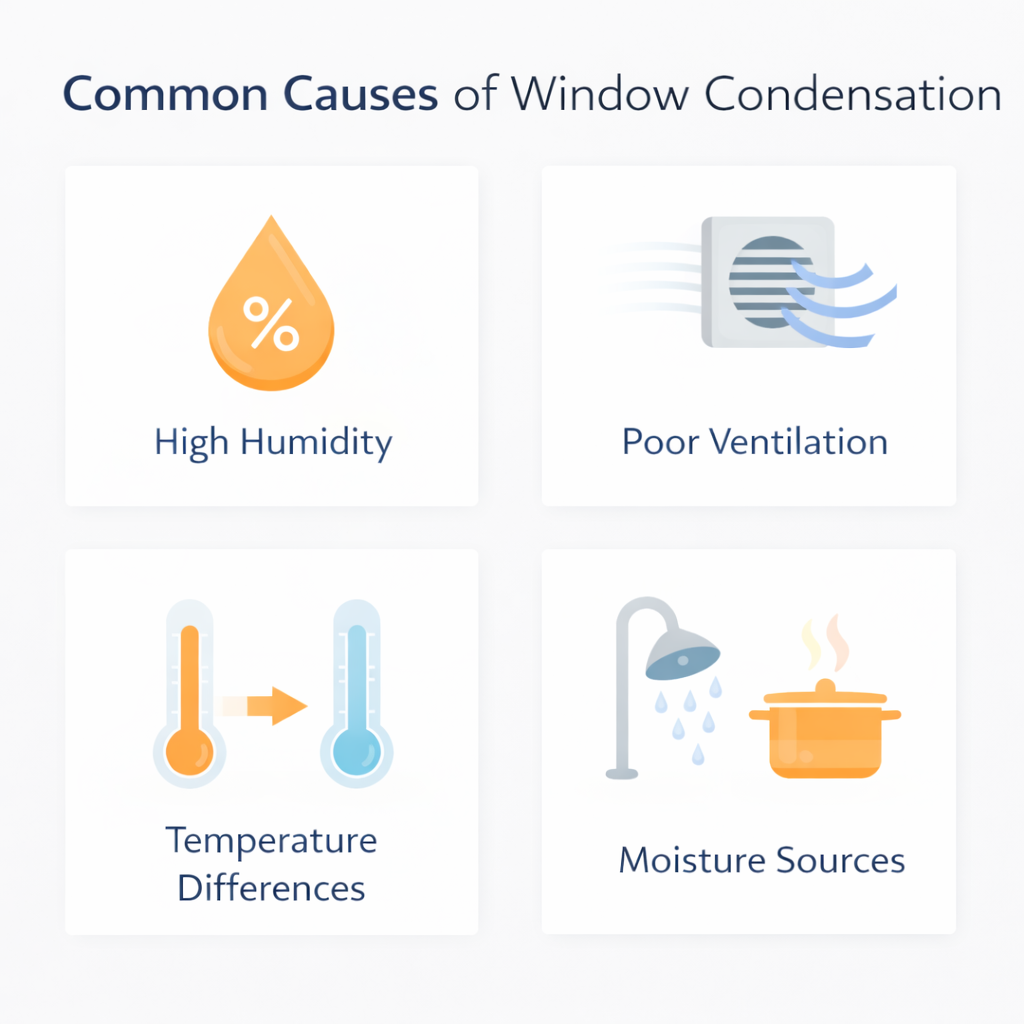
Common Causes of Window Condensation
Several factors can contribute to condensation on windows:
- High indoor humidity levels
- Poor ventilation in the home
- Cold window surfaces
- Everyday moisture from cooking, showers, and laundry
Learn more: How to Reduce Humidity in a House
In This Guide
Fixing condensation on windows starts with understanding how moisture behaves inside a home. When warm, humid air meets a cold surface, condensation forms—and this is often a sign of broader humidity or ventilation issues.
In this guide you will learn how to:
- Understand why condensation forms on windows
- Identify the most common causes of condensation
- Reduce indoor humidity to prevent moisture buildup
- Improve ventilation and airflow throughout the home
- Recognize when condensation may indicate a larger problem
These steps can help homeowners reduce condensation and maintain a healthier indoor environment.
Why Condensation on Windows Is a Problem
While condensation may seem harmless at first, it can lead to several issues if it happens frequently or is left unaddressed. Over time, repeated moisture buildup can affect both the home and indoor air quality.
Damage to Window Frames and Materials
Water collecting on window surfaces can drip into frames, sills, and surrounding materials. This can cause wood to warp, paint to peel, and materials to deteriorate over time.
Increased Risk of Mold Growth
Persistent moisture creates the conditions needed for mold to grow, especially around window frames and nearby surfaces. Mold can develop quickly in damp environments and may spread if moisture is not controlled.
Learn more: How to Prevent Mold Growth in a House
Indicator of Larger Moisture Issues
Condensation is often a sign that indoor humidity levels are too high or that ventilation is not sufficient. Addressing condensation can help uncover and prevent larger moisture-related problems throughout the home.
How to Fix Condensation on Windows Quickly
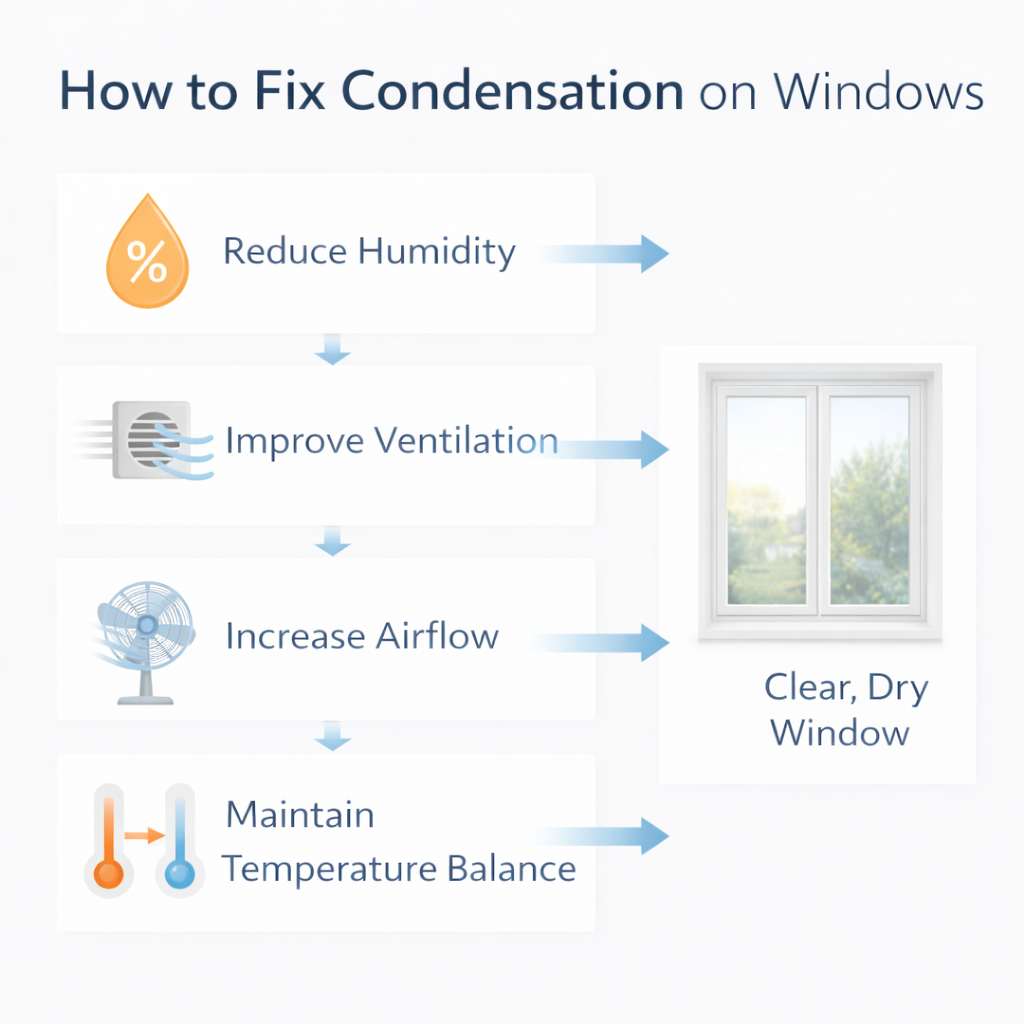
Fixing condensation on windows involves reducing indoor moisture and improving airflow. In most cases, simple changes can significantly reduce or eliminate condensation.
Reduce Indoor Humidity
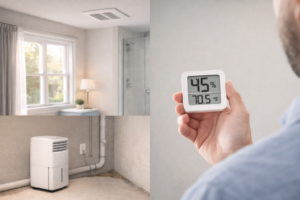
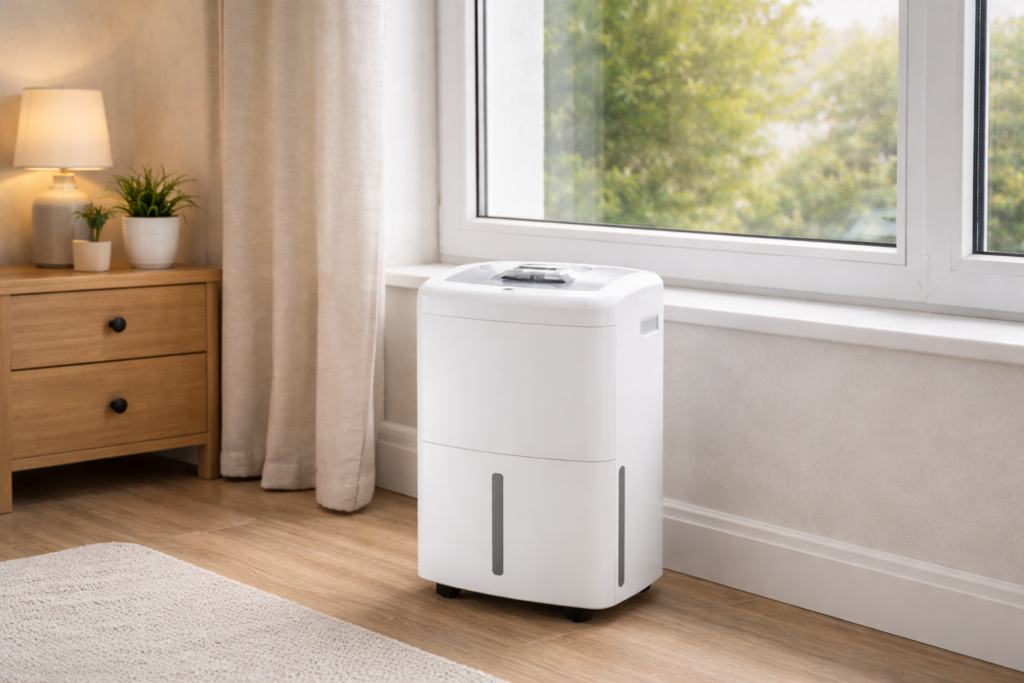
Lowering humidity is one of the most effective ways to stop condensation. Using a dehumidifier, limiting moisture-producing activities, and monitoring humidity levels can help keep indoor air balanced.
Learn more: How to Reduce Humidity in a House
Improve Ventilation
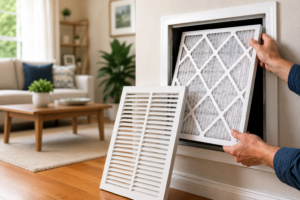
Proper ventilation helps remove moist air and replace it with fresh air. Using exhaust fans in bathrooms and kitchens and opening windows when possible can improve airflow.
Learn more: How to Improve Ventilation in a House

Use Exhaust Fans During High Moisture Activities
Running exhaust fans during and after showers or cooking helps remove steam before it spreads through the home.
Increase Airflow Around Windows
Allowing air to circulate around windows helps reduce moisture buildup. Avoid blocking airflow with heavy curtains or furniture placed directly in front of windows.
Maintain Consistent Indoor Temperatures
Keeping indoor temperatures consistent can reduce the temperature difference between indoor air and window surfaces, which helps limit condensation.
When Condensation Indicates a Bigger Problem
In some cases, condensation on windows may point to a larger issue beyond normal indoor humidity. If condensation is persistent or severe, it may be a sign that moisture levels are consistently too high or that airflow is limited throughout the home.
Persistent or Heavy Condensation
If windows regularly have large amounts of water buildup, even after taking steps to reduce humidity, it may indicate an ongoing moisture problem that needs further attention.
Condensation Combined with Other Signs
Condensation that appears along with musty odors, water stains, or mold growth can signal a more serious moisture issue.
Learn more: Signs of Hidden Water Damage in Homes
Poor Ventilation Throughout the Home
If multiple areas of the home feel humid or stale, it may mean that ventilation is not effectively moving air. Improving overall airflow can help address both condensation and broader moisture problems.
Learn more: How to Improve Ventilation in a House
Conclusion
Condensation on windows is usually a sign that moisture levels inside the home need to be managed. While it often appears during colder months, it can happen anytime indoor humidity is too high or airflow is limited.
By reducing humidity, improving ventilation, and increasing airflow around windows, most condensation issues can be resolved with simple adjustments. Addressing these factors not only helps clear windows but also prevents moisture from building up in other areas of the home.
Condensation is often part of a larger moisture issue. Learning how to prevent moisture problems in a house can help address the root cause.
The Bottom Line
Fixing condensation on windows is about controlling indoor moisture and improving airflow. When these elements are balanced, condensation is reduced, and the home stays drier, healthier, and more comfortable.
Frequently Asked Questions
What causes condensation on windows?
Condensation on windows happens when warm, moist indoor air comes into contact with a colder window surface. As the air cools, it releases moisture in the form of water droplets on the glass.
How do you stop condensation on windows?
To stop condensation on windows, reduce indoor humidity, improve ventilation, use exhaust fans during high-moisture activities, and increase airflow around windows.
Is condensation on windows a sign of mold?
Not always, but repeated condensation can create the damp conditions mold needs to grow. If moisture is not controlled, mold may begin forming around window frames or nearby surfaces.
Does opening windows help reduce condensation?
Yes. Opening windows can improve airflow and help remove moist indoor air, especially when the outdoor air is drier than the air inside the home.
Should I wipe condensation off my windows?
Yes. Wiping condensation off windows helps remove moisture before it can drip into frames, sills, or surrounding materials. However, wiping alone does not solve the underlying cause.
Can condensation on windows mean humidity is too high?
Yes. Condensation is often a sign that indoor humidity levels are too high or that airflow in the home is limited.